

Driveway & snow removal
A long or sloped driveway means more plowing. Ask what the sellers pay for a plow service and whether the town plows sidewalks.
Buying resource · Northeast Ohio weather
From Elyria to Chardon, average snowfall more than doubles in under an hour's drive. Here's what to expect where you're looking.
Scroll west to east
01 · West Side & Lakeshore
Lakewood · Bay Village · Westlake · Avon Lake
West of downtown, most lake-effect bands pass you by. Winters are still real, but snow tends to come in smaller doses, roads clear faster, and the lakefront gets more of the sunshine.
02 · East Side & Heights
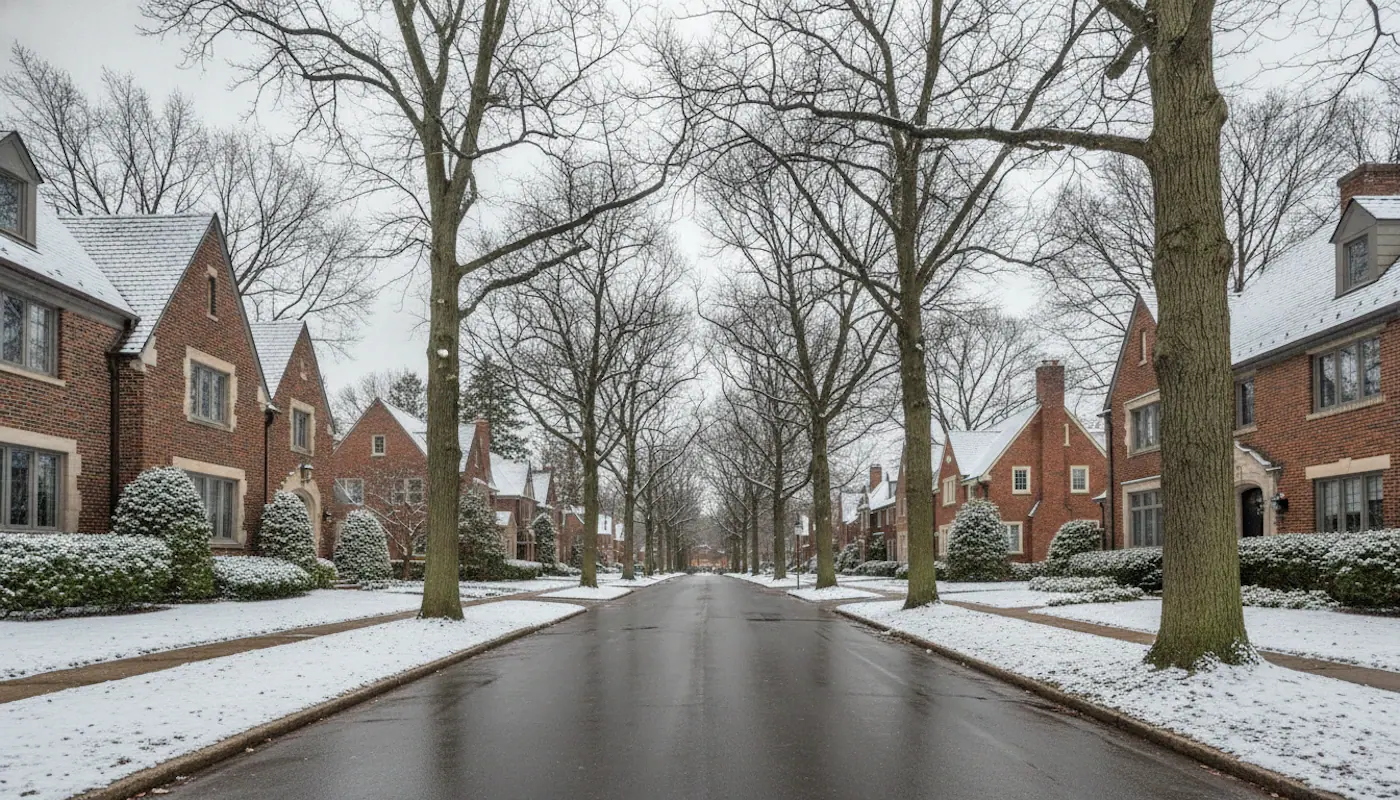
Shaker Heights · Cleveland Heights · Beachwood · Solon
Head east and the ground rises away from the lake. Grey winter days are more common, and a lake-effect band can drop several inches here while the west side stays dry. It is the in-between: more snow than the lakeshore, far less than the snowbelt.
03 · The Snowbelt
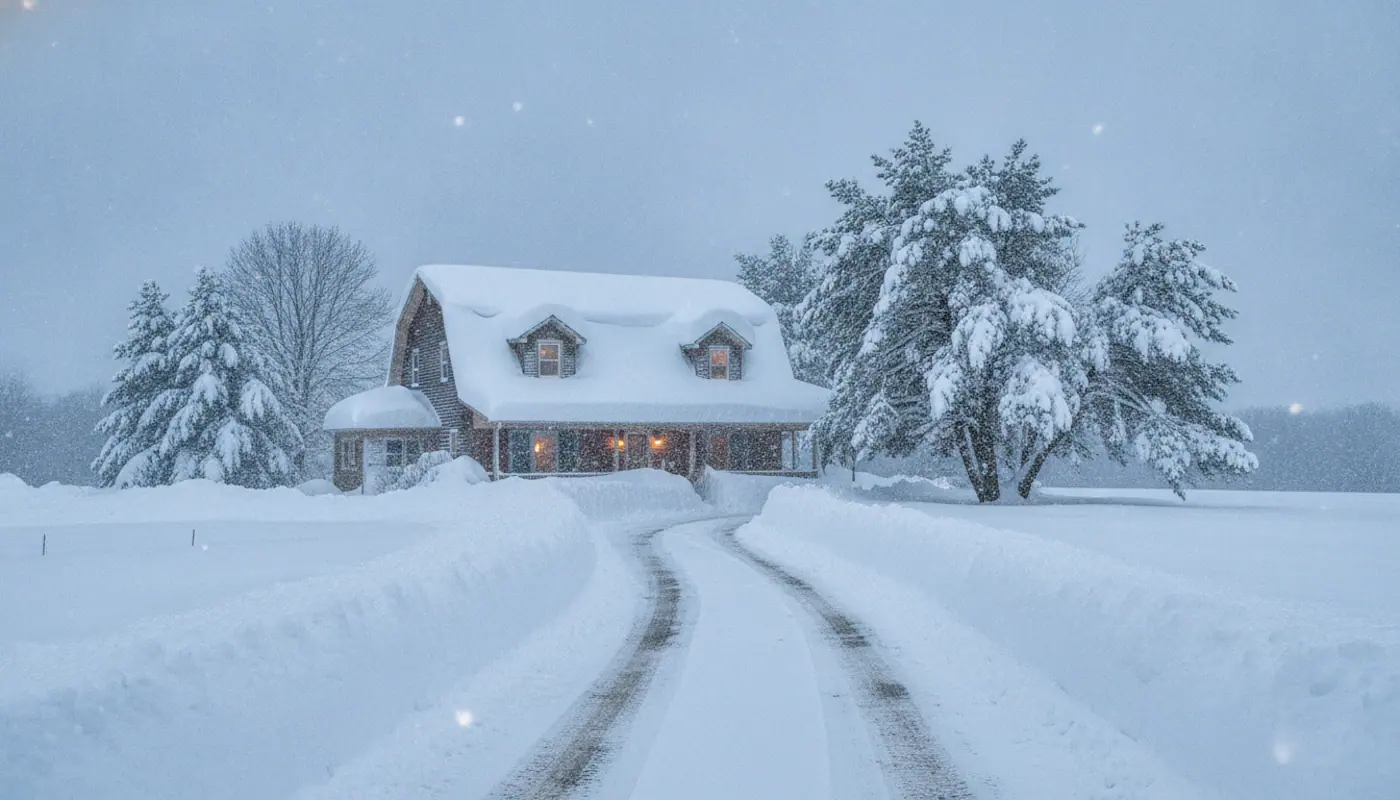
Chardon · Chesterland · Mentor · Painesville · Geauga & Lake counties
Cold air crossing Lake Erie unloads on the high ground of Geauga and Lake counties. Chardon averages more snow than almost anywhere east of the Rockies, so plowing, roofs and heating matter more here. For many buyers the quiet, snowy winters are exactly the appeal.
West to east
Long-term averages at the official NOAA weather stations along the drive. Hover or tap a stop to see its number.
Towns between stations, like Shaker Heights or Solon, usually fall somewhere between their neighbors. Snowfall can change sharply within a few miles.
Why it happens
What it means when you're buying
A long or sloped driveway means more plowing. Ask what the sellers pay for a plow service and whether the town plows sidewalks.
Check the roof age, attic insulation and ventilation. Heavy snow plus poor airflow can cause ice dams and leaks.
Ask for a year of utility bills, the furnace age and service records. It's the easiest way to compare winter costs between homes.
An attached garage and all-wheel drive help most in the snowbelt. Drive the commute on a snowy morning if you can.
In heavier-snow areas, a generator or generator hookup keeps the heat and sump pump running through outages.
Source: NOAA National Centers for Environmental Information, 1991–2020 U.S. Climate Normals (Elyria 3 E, Cleveland Hopkins Airport, Hiram and Chardon stations). These are long-term averages; any given winter can be well above or below them.