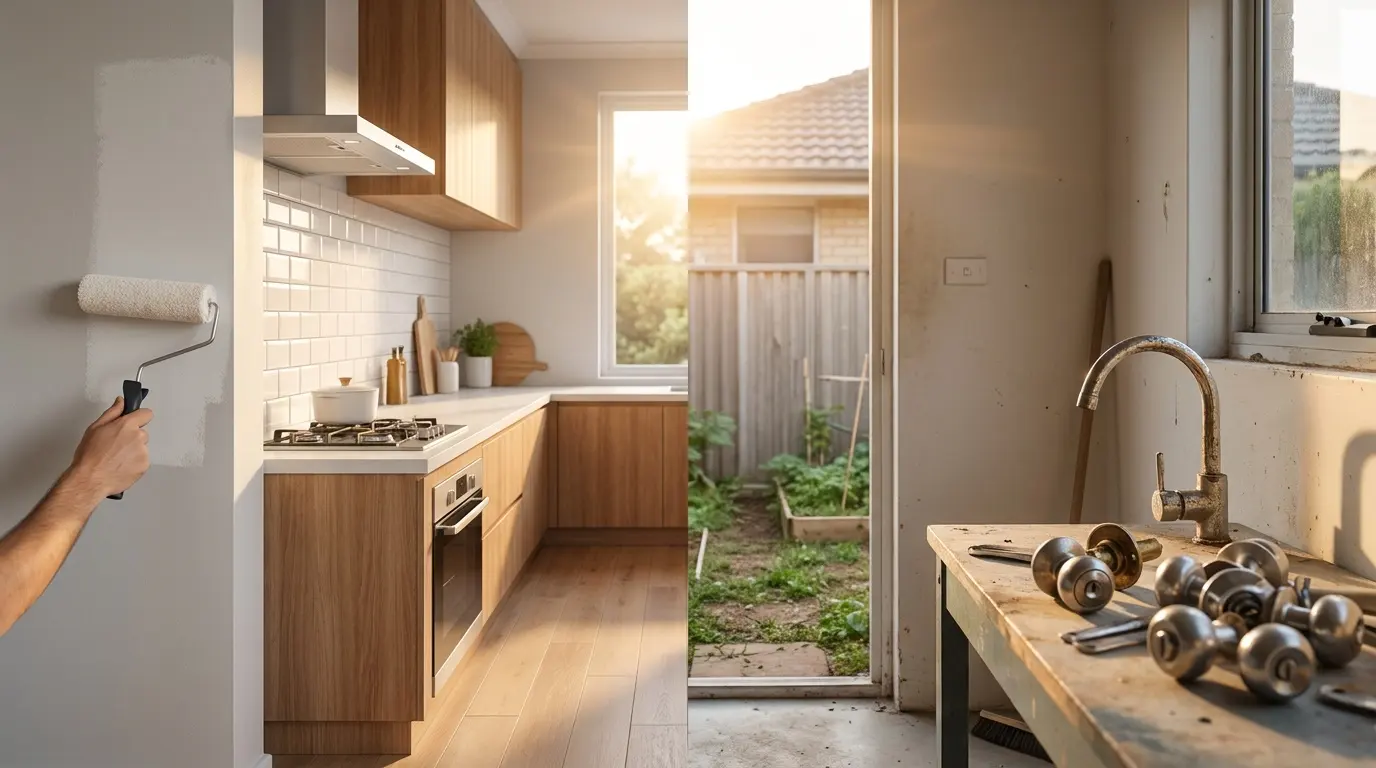
If your house has been sitting on the market longer than anticipated, several factors could be contributing. An unrealistic listing price or subpar photos and descriptions are common pitfalls hindering the sale. Sellers sometimes overlook the impact of home staging (opens in a new tab), curb appeal, and condition on buyer perception. Before jumping to drastic measures, consider how small updates and enhancements could entice prospective buyers.
5 Things to Try if Your House Isn’t Selling
- Reassess pricing strategy (opens in a new tab) to align with market rates.
- Enhance online listing quality for better marketability.
- Improve home conditions and curb appeal for buyer interest.
- Consider hiring a top-performing local real estate agent.
- Explore alternative selling options or renting out.
When Should You Be Worried About a House Not Selling?
The time it takes to sell a home (opens in a new tab) varies depending on market conditions. Real estate agents can help sellers set realistic expectations for their home sale. If your house has lingered on the market for more than the average days on market (DOM) without attracting any offers, it may be a sign that adjustments should be made.
In this situation, partnering with a local real estate agent to analyze market trends and feedback is essential to understanding why the home isn't selling. Factors like pricing, marketing tactics, or listing details can affect this. Managing your expectations for how quickly your home will sell is key to reducing home-selling stress (opens in a new tab).
Common Reasons a House Won’t Sell
If your house isn't selling, it could be due to an unrealistic listing price, not using high-quality listing photos (opens in a new tab), or the home being poorly maintained. Addressing these issues promptly can help improve your chances of selling your house.
The Online Listing Needs Work
A poor online listing can significantly reduce a property's marketability. Listings with low-quality photos, not enough photos, minimal descriptions, or lack of visual appeal often deter potential buyers. Since most buyers begin their search online, it's crucial to present the property effectively. By using high-quality photos, providing detailed descriptions, and implementing strategic online marketing, sellers can attract more interest.
The Home is in Poor Condition
Visible repairs or maintenance issues in a home can be significant factors contributing to why a house won't sell; there’s a reason why handling many of these are key steps on any home-selling checklist (opens in a new tab). When a property showcases neglected maintenance, outdated features, or lacks curb appeal, it can make it difficult to sell. Here are three key reasons why the condition of a home can impact its sale:
- Neglected Maintenance: Failure to address necessary repairs and upkeep can signal to potential buyers that the property hasn't been well taken care of, leading them to view it as a risky investment.
- Outdated Features: Homes with old-fashioned styles or features that are no longer desirable can deter buyers who are looking for modern amenities and aesthetics in a turnkey home.
- Curb Appeal: The initial impression a property makes is key to attracting maximum buyer interest. If the exterior of a home is unappealing or in disrepair, it can discourage buyers from exploring further, making the sale more challenging.
To enhance the chances of selling a house in poor condition (opens in a new tab), investing in home staging and addressing any maintenance issues are essential steps to attract buyers and secure a successful sale.
The Listing Price is Too High
High listing prices can cause a house to stay on the market longer than expected, as overpricing often discourages buyers. To attract interest, align the price with comparable homes in the area. If there aren't enough current listings in your area, it may be possible to find out how much nearby homes sold for (opens in a new tab) in public records. A well-thought-out pricing strategy that considers recent sales and competitive differences is key to determining the right asking price.
Adjusting the price based on feedback from home showings (opens in a new tab) and market conditions also increases buyer interest. By pricing realistically and making adjustments as needed, sellers can avoid a stagnant listing and improve their chances of a successful and timely sale.
What to Do if Your House Isn’t Selling
If your house isn't selling, address issues by using buyer feedback, adjusting the price, updating the listing with better visuals, and making necessary improvements. These steps can attract more buyers and lead to a quicker home sale (opens in a new tab).
Identify the Problem Using Buyer Feedback
Sellers should actively seek and respond to feedback provided by real estate agents and potential buyers. To identify the problem using buyer feedback, consider the following:
- Solicit Feedback: Ask real estate agents and potential buyers what aspects of the property are deterring them from making an offer.
- Address Necessary Repairs: Take note of any recurring feedback regarding repairs or maintenance issues. This enhances the overall appeal of the property.
- Evaluate Marketing Strategy: Adjusting your marketing approach based on input from real estate agents and buyers helps sellers present their property in the best light.
Reevaluate Your Price
To address a stagnant house sale, sellers should reevaluate their asking price. Stay informed about current market trends and seek advice from real estate professionals. Compare your asking price with similar listings in your area to make sure it's competitive and attractive to potential buyers.
Consider Incentives
When a home isn't selling, offering incentives can be a powerful way to attract potential buyers and close the deal. Incentives such as covering closing costs, offering a home warranty, or including appliances can make the property more appealing by reducing the financial burden on the buyer.
Additionally, offering a flexible closing date or providing credits for home improvements can address specific concerns that may be holding buyers back. These added perks can make your property stand out in a competitive market or even when it’s not a good time to sell a house (opens in a new tab).
Improve the Online Listing
Updating your listing with high-quality photos and detailed descriptions can enhance your property's appeal and attract more buyers. Focus on selling a lifestyle rather than technical details, which can be added separately.
Consider relisting your property as new, as fresh listings often get more attention. Optimize your online presence and highlight unique features. Effective marketing strategies, like targeted ads and social media promotion, can also increase visibility and buyer interest.
Update the House
If your house isn't selling, it may be time to revamp its appeal. Here are three key steps to consider:
- Affordable Updates: Fresh paint, landscaping, and minor repairs can make a significant difference in how potential buyers perceive the property.
- Home Staging: Effective staging can help highlight the best features of your home and create a welcoming atmosphere that appeals to a broader range of buyers.
- Virtual Staging: Virtual staging can help buyers visualize themselves in the space and can be a cost-effective way to make your listing stand out in online searches.
Find a New Real Estate Agent
If your house isn't getting the attention it deserves, consider switching to a different real estate agent. It’s important to find a listing agent (opens in a new tab) who understands the market dynamics, pricing strategies, and staging techniques. Avoid relying too much on out-of-area agents who may not know the local market well.
Sell to a Cash Home-Buying Company
If traditional methods aren't working, selling your house to a cash home-buying company could be a strategic alternative. These companies offer a quick, hassle-free solution and help you avoid the complexities of the traditional real estate market.
Cash buyers often purchase homes as-is, saving you time and money on repairs. Reaching out to reputable companies can lead to a no-obligation cash offer (opens in a new tab), meaning a faster closing process and allowing you to sell your house promptly.
Rent Out the Home Instead
Renting out your property can be a smart way to generate income and cover expenses while waiting for the market to improve. This approach helps maintain your home's value, prevents prolonged vacancies, and avoids financial strain.
Before deciding, assess the rental market demand in your area. Renting not only provides a steady income but also keeps your property occupied, preventing unnecessary costs. It can be a strategic move to overcome current selling challenges and better position yourself in the real estate market.
Follow These Tips to Quickly Sell Your Home
If your house isn't selling, reassess factors such as pricing, marketing, and home condition. Consider making necessary updates, working with a different real estate agent, or exploring alternative options like selling to cash home-buying companies or renting out the property. By addressing these issues, you can increase the chances of selling your house (opens in a new tab) successfully.