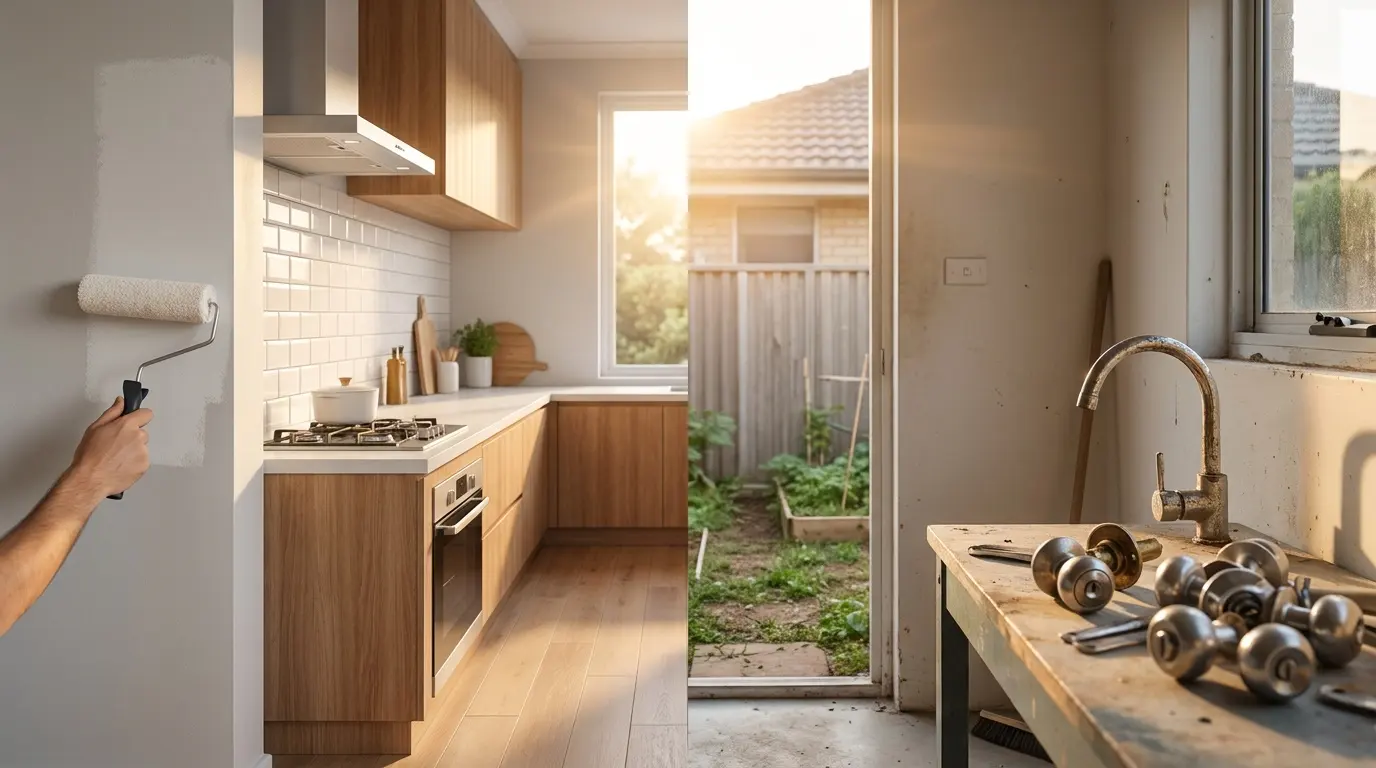

When you sell a house (opens in a new tab), the rule is to take all your possessions and leave all fixtures behind before transferring ownership to the buyer. However, the line between fixtures and personal property isn't always crystal clear, leading to disputes. What should you leave behind for the buyer to guarantee a smooth handover? Some of the unwritten rules—and legal nuances—might surprise you.
Sell Your Home With The Young Team.
Maximize the value of your home with The Young Team. Schedule your consultation today and experience a hassle-free home selling process with the best real estate team in Ohio.
Get Started (opens in a new tab)
10 Most Important Things That Stay With the House When You Sell
- Built-in Kitchen Appliances – Includes oven, stove, dishwasher, and built-in microwave.
- Lighting Fixtures – Ceiling lights, chandeliers, and ceiling fans.
- HVAC System – Heating, ventilation, and air conditioning units.
- Water Heater – Essential for plumbing and hot water.
- Bathroom Fixtures – Toilets, sinks, vanities, and tubs/showers.
- Doors & Windows – Includes interior and exterior doors, storm doors, and window treatments like blinds (but not curtains).
- Garage Door Openers & Remotes – Must be left for the new owner.
- Built-in Shelving & Storage – Any custom or attached shelving units.
- Fences, Landscaping & Outdoor Structures – Includes fences, permanently installed sheds, decks, patios, and in-ground pools.
- Smoke & Carbon Monoxide Detectors – Essential for safety and typically required by law.
Understanding Fixtures vs. Personal Property
The distinction between fixtures and personal property is bound to come up when selling a house.
Fixtures like built-in appliances, light fixtures, and landscaping elements are considered permanent parts of the property. As such, they should remain with the house after it is sold, as they're generally affixed and integral to the home's structure.
On the other hand, personal property includes movable items—furniture, artwork, freestanding appliances, and the like. These are not required to stay, and arrangements to move them should be included as part of your home-selling checklist (opens in a new tab).
Of course, there can be plenty of gray areas. For instance, modifications to accommodate an item, like installing a wall-mounted TV, may classify it as a fixture.
To avoid misunderstandings, it's essential to have written agreements that clearly outline which items are considered fixtures and which are classified as personal property. This will help prevent disputes by getting both parties on the same page.
It's also crucial to understand local laws and market norms regarding personal property. Different regions may have varying rules, so knowing what's typical in your area can help you navigate the selling process more smoothly. This knowledge protects you and helps guarantee a seamless shift for the buyer.
Common Items That Should Be Removed
When selling a house, certain items are typically considered personal property and should be removed by the seller before closing. Freestanding appliances, such as refrigerators, washers, and dryers, are not permanently attached and are usually taken unless the buyer negotiates to keep them in the sales contract.
Similarly, personal belongings, including furniture, décor, and electronics, should be cleared out to leave the home in move-in-ready condition. If you’re selling your home quickly (opens in a new tab), you may decide to leave them in the home—but you should discuss this with the buyer.
Common Items That Should Stay
When selling a house, several common items typically stay with the property as part of the sale. A general rule is that permanently attached fixtures should remain—unless otherwise specified. These could include built-in shelves, light fixtures, and ceiling fans. Buyers often expect these fixtures to convey with the home, so it's important to clarify their inclusion or lack thereof in your sales contract.
Built-in appliances, like ovens and dishwashers, are also considered part of the property. They're usually included in the sale, as are bathroom vanities. Since these items are integral to the home's functionality, removing them could lead to disputes. Landscaping features are another category to keep in mind. Elements like trees, shrubs, and flower beds are widely considered part of the property and should remain on-site.
Items that require tools to remove or are cemented to the ground, such as swing sets and basketball hoops, are classified as fixtures and must be left behind. These items sometimes have strong emotional connections. If so, you may consider removing them before listing your home or using your home sale proceeds (opens in a new tab) to replace them. The lines get blurry when you only sell a fraction of the property (opens in a new tab), but generally, items found in that section would stay with the sold portion.
Window treatments, including blinds and rods, also typically stay with the house. While curtains can be removed as personal property, leaving window treatments intact helps maintain the home's aesthetic appeal and consistency.
Negotiating With the Buyer
As you consider which items typically stay with the property, it's also worth discussing how to handle these decisions with potential buyers. For the most part, it boils down to open communication. Early in the process, discuss with buyers which items might be negotiated to keep—especially those considered fixtures like built-in shelves or appliances. This transparent dialogue can enhance buyer satisfaction and streamline the sale, as they know exactly what's included.
Relying on expert advice from your real estate agent (opens in a new tab) can be invaluable. They can guide you on what items are commonly left behind in your market and which might hold emotional value for buyers. Perhaps a particular light fixture or garden feature is something a buyer has fallen in love with. Negotiating its inclusion could be the deciding factor in closing the deal.
Be sure to follow up these discussions with clear documentation in the sale contract. This prevents misunderstandings and protects both parties by detailing exactly what stays or goes. A well-negotiated agreement can make your property more appealing and help avoid disputes after the sale. Remember, clarity and transparency are your best allies in these negotiations.
Tips for a Smooth Transition
Making a home sale go smoothly involves more than just signing on the dotted line; clear communication and thorough documentation are key to avoiding misunderstandings. Start by clearly establishing which fixtures and built-in appliances will stay. This avoids confusion and guarantees both parties are on the same page. Consider creating a list that specifies what's included and share it with the buyer early on.
Next, leave behind essential information, such as appliance manuals, warranties, and landscaping maintenance tips. This thoughtful gesture can greatly improve the buyer's experience in their new home. Including extra light bulbs, HVAC filters, and leftover paint can also create a welcoming atmosphere.
Scheduling a final walk-through with the buyer is vital. This meeting is to verify that all agreed-upon items are in place, facilitating a smooth handover. Open communication during this entire process will help promote trust and clarity with your homebuyer.
Frequently Asked Questions
Who Owns Items Left in the House After Closing?
After closing, any items left in the house typically become the property of the buyer unless otherwise agreed upon in the contract. The seller has no legal right to retrieve them unless a prior arrangement is made.
What If the Seller Leaves Something Valuable By Mistake?
If the seller accidentally leaves something valuable behind, the buyer is not legally required to return it unless stated in the contract. However, the buyer may decide to notify the seller and arrange for its return.
Are Sellers Required to Remove Junk & Clutter Before Transferring Possession?
Yes, unless the contract states otherwise. Most real estate agreements include a "broom-clean condition" clause, meaning the home should be free of personal belongings, trash, and debris. However, this does not require deep cleaning—just that the home be left in a reasonably clean and empty state. If the seller fails to do so, the buyer may have legal options, such as requesting removal at the seller’s expense or seeking compensation.
Can I Take the Refrigerator When Selling My House?
Whether the refrigerator stays with the house depends on the sales contract and local norms. Built-in refrigerators (like those integrated into cabinetry) typically stay, while freestanding refrigerators are often considered personal property and may be taken by the seller. If the buyer wants the refrigerator to stay, it should be explicitly included in the purchase agreement.
Can I Take the Washing Machine and Dryer When Selling My House?
Washing machines and dryers are typically considered personal property, so sellers usually take them unless the buyer negotiates for them to stay. Unlike built-in appliances, they are not permanently attached to the home. If the buyer wants them included, they should be listed in the purchase agreement to avoid misunderstandings.
Can You Leave Everything Behind When Selling a Home As Is?
When selling a home as-is (opens in a new tab), the seller is typically not required to make repairs or improvements, but that doesn’t mean they can leave everything behind. If the seller intends to leave behind furniture, appliances, or other items, it should be disclosed in the sales contract. Some buyers may be open to keeping certain items, while others may request a full cleanout.
Prepare Your Home for the New Buyer
When selling your home, clarity is key to avoiding stressful situations (opens in a new tab). By understanding the difference between fixtures and personal property early on, you’ll set yourself up for a seamless changeover with the buyer. To foster trust and avoid future headaches, leave behind essential manuals and all agreed-upon fixtures for the new homeowner. Remember, clear communication and adherence to local laws can prevent misunderstandings. Ultimately, a thoughtful approach eases the process, satisfying you and the buyer.
Sell Your Home With Confidence.
Sell Your Home With The Young Team.
Ready to sell your home for top dollar? Let The Young Team handle it all. Contact us now to schedule a consultation and take the first step towards a stress-free home selling experience with the best real estate team in OH.