Can't decide between a starter home versus a forever home? Let's break it down in simple terms so you can figure out which fits your life right now. This choice is one of the biggest decisions first-time homebuyers (opens in a new tab) face when entering the real estate market.
Find Your New Home With The Young Team.
Working with an agent takes the stress out of buying a home. Schedule your consultation today and experience a hassle-free home-buying process with the best real estate team in Ohio.
Get Started (opens in a new tab)
5 Quick Tips for First-Time Homebuyers (Save These!)
- Buying a starter home helps you stop paying rent sooner
- Starter homes cost less but you'll likely move in 3–5 years
- Forever homes cost more upfront but save you from moving again
- Choose something you can comfortably afford right now
- Location affects value more than fancy features
What is a Starter Home?
A starter home is a small, affordable house purchased by a first-time homebuyer to help them enter the real estate market.
Here’s an example: let’s say we have a newlywed couple who currently rent and want to eventually have two kids. However, they can’t afford a three-bedroom house in their area. It will take them at least five years to save up a large enough down payment (opens in a new tab)—or longer, depending on how much homes in their area appreciate in price.
Instead, they buy a cheaper two-bedroom house. Instead of paying rent, they put the money into mortgage payments, which build their equity in the home. Appreciation adds to their equity instead of raising the barrier to entry. In five years or less, they can sell their home and use the equity as their down payment on a three-bedroom home.
Starter homes, such as townhouses (opens in a new tab), condos (opens in a new tab), or small single-family homes, are typically under 1,500 square feet and have basic features. They are more affordable than larger homes, allowing you to stop paying rent sooner and start building equity immediately.
Starter homes tend to have fewer features than larger houses, but they offer less upkeep and lower maintenance costs. This is perfect for first-time buyers still learning the ropes. Less space means you can save money on heating, cooling, and furnishing.
It's important to remember that starter homes often lack the living space you may want long-term. They typically offer enough space for singles or couples, but you might outgrow them as your household and life expands.
There’s no universal price threshold that makes a house a starter home. A $500,000 home could be luxury in one market and the cheapest home on the block in another. And with appreciation, interest rates, and other factors, the definition of a starter home evolves over time. What matters most is buying something you can comfortably afford while saving money for your future dream home.
What Makes a Home a "Forever Home?"
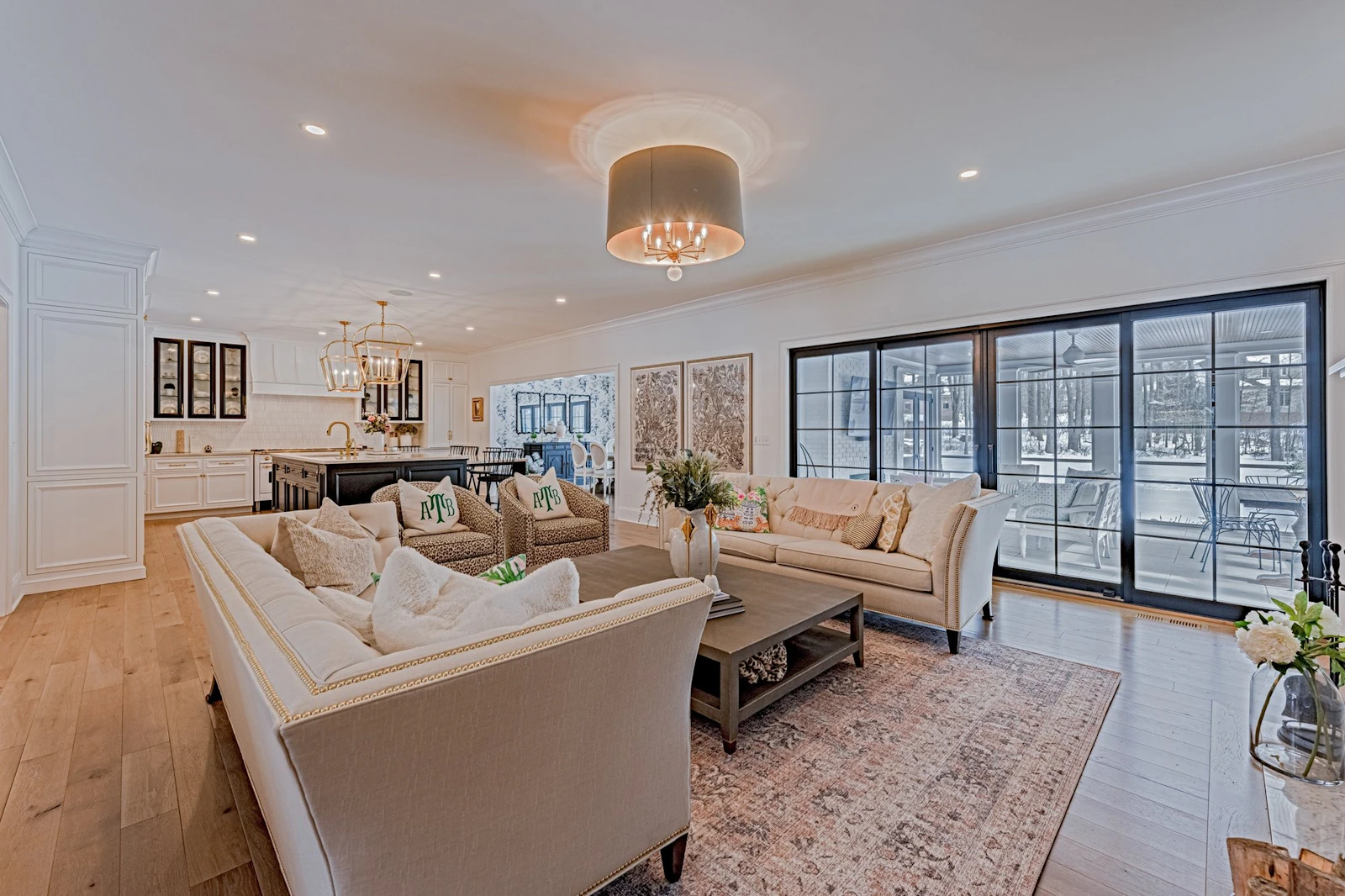
A forever home is where you plan to stay for the foreseeable future—through life changes, career growth, and even into retirement. Forever homes tend to be bigger single-family houses with more room and amenities like home offices, spacious yards, or maybe a pool.
The whole idea is buying a place that works for you now and later. As your household grows or your parents need to move in, a forever home has the living space for those changes in your life.
These dream home properties usually sit in better neighborhoods with good schools, parks, and other things that homeowners want. You'll pay additional costs upfront, but you won't face the hassle and expense of moving again and again.
Forever homes provide ample space that can be customized to your liking and used for various purposes, such as entertaining guests, indulging in hobbies, or adding age-in-place features. As the owner of a forever home, you have the freedom to personalize the space to your heart's content, whether it's knocking down a wall or building your dream kitchen, and enjoy the fruits of your labor for years to come.
Good and Bad Points of Starter Homes
The Good Stuff:
- They cost less money upfront
- Buying a starter home helps you stop paying rent sooner
- Lower property taxes save you money every year
- Less space means easier maintenance and less upkeep
- Lower monthly payments help your budget breathe
- First-time homeowners can get into the real estate market faster
- You'll build equity faster than saving while renting
- Starter homes tend to sell quickly in hot markets
The Not-So-Good Stuff:
- Everyone wants them, so they're hard to find in your home search
- Older starter homes (opens in a new tab) might need costly fixes—new construction (opens in a new tab) tends to target the luxury market
- Less space feels even smaller when you add kids or pets
- Fewer amenities than larger homes
- Hard to rent out if you decide to keep it later
- You'll face moving costs sooner than you may expect
The bottom line: Starter homes help first-time homebuyers stop paying rent sooner, but they're called "starters" for a reason. Many people outgrow them within 3–5 years when they need more room.
Good and Bad Points of Forever Homes
The Good Points:
- You'll only move once
- More room and living space for life changes and guests
- More amenities that make daily life easier
- Freedom to renovate and create your dream home
- Stronger sense of community when you're there for the foreseeable future
The Not-So-Good Points:
- A much bigger down payment is required
- Higher monthly costs for everything
- More space = more maintenance/utility bills = spending more time and money
- You’re much more tied to a location for jobs and other life events
- It’s harder to sell quickly (opens in a new tab) if your plans change
The bottom line: Forever homes cost more money and time, but they give you stability and enough space to grow without the stress of moving again. They're designed to meet your needs in the foreseeable future, not just the near future.
Comparing Costs: What You'll Actually Pay
First-time homeowners should understand all costs involved in either option. Let's break it down:
Starter Home Costs:
- A lower down payment gets you in the door faster
- Smaller mortgage means smaller monthly payments
- Less money spent on property taxes
- Lower utility bills from less space to heat and cool
- Less yard = less maintenance equipment needed
- Fewer amenities mean fewer things to fix
Forever Home Costs:
- A much bigger down payment is required
- Higher closing costs (opens in a new tab)
- Larger mortgage payments every month
- More room means more furniture to buy
- Higher heating and cooling bills
- More maintenance costs and repair expenses
- Additional costs for upkeep of extra amenities
In a local real estate market, a starter home may cost $250,000 while a forever home in the same area could run $450,000 or more. That's a huge difference in monthly payments.
The decision affects your finances for years. If you can comfortably afford the forever home now, you might save money long-term. But if buying a starter home is the only way to stop paying rent and start building equity, that might be your best first step.
Remember—selling a home and moving costs money too. If you buy a starter home now and move in 3–5 years, you'll pay thousands in selling costs (opens in a new tab), moving expenses, and new closing costs.
Building Wealth: How Homes Help Your Money Grow
Buying a home (opens in a new tab), no matter the type, helps you build equity—that's the difference between what your home is worth and what you owe on it. For first-time homeowners, equity is one of the biggest motivations to stop renting.
With a starter home, you build equity sooner because you can buy sooner. You'll stop paying rent and start investing in your property. If home values go up in your local real estate market, you might make enough profit when selling to help with the down payment on a larger place.
Buying a starter home is often about saving money now while building toward your dream home later. The equity you build becomes a financial stepping stone.
A forever home builds wealth differently. You'll pay more upfront, but the higher value means potentially bigger equity growth over time. Plus, you won't lose money to moving costs and real estate fees every few years.
And you don’t miss out on equity by not selling. You can use your equity in your forever home to get a HELOC, a home improvement loan, or even a reverse mortgage.
The simple truth: either a starter home or a forever home beats renting if you stay put long enough to cover the buying and selling costs. Your future self will thank you for making the jump to homeownership, even if your first place has less space than you'd ultimately want.
Think About Your Future Self
If you've decided that you should buy a home (opens in a new tab), consider your future plans. Your future self will either thank you for buying the right size home now or curse you for buying something that doesn't fit your life in the near future.
Before choosing, ask yourself some honest questions:
- Planning to get married in the next few years? You might want to wait until then; marriage status affects homebuying (opens in a new tab)
- Planning to have children? When and how many? Will you need more room?
- Might your parents need to move in someday?
- How stable is your job? Might you relocate?
- Do you work from home and need office space?
- How long do you plan to stay in this city or town?
- Will you need more living space in the foreseeable future?
Most people stay in starter homes for just a few years (ideally at least two (opens in a new tab)) before moving on. If you're likely to move within that time anyway (new job, growing household), buying a starter home makes more sense.
First-time homebuyers often don't realize how quickly their space needs change. Your starter home can feel cramped surprisingly fast when you add a new addition to the home, a home office, etc.
If you're settled in your career and love your location, a forever home could save you from moving later. Just be sure you can comfortably afford the higher costs without stretching your budget too thin.
Will Your Home Keep Its Value?
Location matters more than anything else for maintaining home value. Homes in good neighborhoods (opens in a new tab) hold their value better than houses with fancy features in less desirable areas. That's true for both starter and forever homes.
The right neighborhood depends on your lifestyle, but some things matter for everyone:
- Good schools boost property values (even if you personally don't have children)
- Short commutes save time and stress
- Nearby grocery stores, parks, and restaurants make life easier
- Safe neighborhoods protect both you and your home's value
- Future development plans can change an area quickly
For first-time homebuyers looking at a starter home, focus on up-and-coming areas where values might rise faster in the near future. This helps build equity quickly.
For a forever home, established neighborhoods with proven track records make more sense for the foreseeable future. You'll want somewhere that stays desirable for decades, not just a few years.
Think about future resale too. Starter homes often sell faster simply because more people can afford them. In hot markets, they can sell quickly because there are always new first-time homebuyers entering the market.
Forever homes typically have higher resale values because of their size and more amenities. But they also appeal to a smaller pool of buyers who can comfortably afford them. The dream home features you add might not appeal to everyone.
No matter which you choose, keeping up with maintenance costs is the #1 way to protect your home's value. A well-maintained starter home with less space will usually sell faster than a neglected forever home with more room but obvious repair needs.
How to Make a Smart Choice
The starter home or forever home answer comes down to your specific situation. Follow these steps during your home search:
- Financially prepare to buy a home (opens in a new tab) by checking your credit, debt-to-income, and current expenses
- Get pre-approved for a mortgage FIRST (no point looking at homes you can’t finance)
- Make a budget that includes ALL homeownership costs and maintenance costs
- This will differ for each house; 1%–4% of the home’s value per year is the rule of thumb for maintenance
- Use these numbers to figure out how much house you can comfortably afford, not just what you qualify for
- Don't forget to factor in first-time homebuyer programs (opens in a new tab)!
- Be honest about your future self and plans for life and career
- Compare the total cost of buying a starter home (including eventual moving costs) vs. a forever home
- Talk to other first-time homeowners who've been in your situation
- Visit many different homes with varying living space options
- Check neighborhoods at different times of day to get a feel for them
When deciding what type of home to buy, choose what works for your life now AND in the future. The smartest choice is the one that fits your budget with room to spare. Being house-poor is no fun, even in your dream home.
So, Should You Buy a Starter or Forever Home?
The starter or forever home choice isn't one-size-fits-all. It depends on your unique situation.
Buying a starter home helps you stop paying rent (opens in a new tab) sooner and start building equity with less money down. They're perfect for first-time homebuyers who aren't sure about long-term plans or who need to keep immediate costs low. Starter homes are typically more affordable entry points into the real estate market.
Forever homes cost more upfront but save you from the hassle and expense of moving again. They give you more room to grow, more amenities, and the freedom to create your dream home exactly as you want it.
The right decision comes down to your budget, plans, and what you can comfortably afford both now and in the foreseeable future. Either way, buying a home with enough space for your current needs is the first step toward saving money and building wealth through real estate.
Buy a Home With Confidence.
Partner With The Young Team.
From your first home to your forever home, let the Young Team handle it all. Contact us now to schedule a consultation and take the first step towards buying your dream house in Ohio.