
Wondering how to navigate selling a house in Ohio for the best return? Begin with the right strategies, from choosing an expert real estate agent (opens in a new tab) to finalizing your sale. This no-nonsense guide offers practical steps without the fluff, ensuring you can tackle the Ohio market with confidence.
For informational purposes only. Always consult with a licensed real estate professional before proceeding with any real estate transaction.
Sell Your Home With The Young Team.
Maximize the value of your home with The Young Team. Schedule your consultation today and experience a hassle-free home selling process with the best real estate team in Ohio.
Get Started (opens in a new tab)
What Determines a Successful Home Sale in Ohio?
- The success of selling a house in Ohio is heavily influenced by choosing a real estate agent (opens in a new tab) with local market knowledge, strong communication and negotiation skills, and a proven track record.
- Preparing your home for sale is essential, which includes making necessary repairs and upgrades, staging and decluttering the space, and investing in professional photography to showcase the property effectively.
- Strategic pricing based on a comparative market analysis, adjusting for unique home features, and staying informed about market changes are critical to attracting buyers and closing the sale at a favorable price.
- Evaluate and negotiate offers carefully, considering more than just price—review buyer qualifications, contingencies, and timing to select the best overall offer.
- Prepare required disclosures, respond to inspection results, manage appraisal outcomes, and complete legal and financial steps to finalize the sale.
Choosing the Right Real Estate Agent
Embarking on the journey of selling a house in Ohio begins with securing a competent real estate agent to navigate you through the process. Securing a skilled agent is pivotal to a smooth and successful property sale, and it's even more vital if it's your first time selling a home (opens in a new tab). But how do you choose the right one? An ideal agent possesses:
- In-depth local market knowledge
- Insightful advice for your sale plan
- Strong communication and negotiation skills to represent your interests effectively.
Plus, an agent with a proven track record of success can give you confidence that they can get the job done.
Do You Really Need a Real Estate Agent?
At first glance, selling your home without a real estate agent might seem like an easy way to save money. After all, avoiding agent commissions sounds appealing. However, the process is far more complex than most sellers anticipate, and skipping professional help often comes at a cost.
Everything from pricing and marketing to home showings and closing will fall to you. Even minor missteps in the contract or disclosure can result in serious liabilities. In the end, working with skilled real estate professionals often leads to a faster sale, fewer headaches, and more money in your pocket.
Local Market Expertise
An agent with in-depth knowledge about the local housing market (opens in a new tab) is like a gold mine. They are typically the first to be aware of community trends and developments that can affect home values. They have unique insights into the community, including amenities and other factors that can be beneficial to you as a seller.
Their expertise in specific neighborhoods enhances their ability to market your property effectively, maximizing your opportunity to attract the right buyers.
Many agents also serve a particular niche. For example, an agent might specialize in selling waterfront homes (opens in a new tab), land, or condos. A local agent who specializes in your property type is ideal—they're familiar with the legalities, extra steps, and buyer questions these property sales have.
Communication and Negotiation Skills
Communication and negotiation are two key skills that every real estate agent must possess. An agent who listens actively can better understand your needs and preferences, helping you achieve your selling goals. They should be able to articulate their positions persuasively during negotiations to secure favorable outcomes for you.
Moreover, an agent’s empathy is vital for relating to you emotionally, especially when you have strong attachments to your property. A professional and responsive agent can ensure that your selling process in Ohio is less stressful (opens in a new tab) and more successful.
Track Record of Success
A successful track record is a testament to an agent’s effectiveness in closing deals and their adaptability to changing market conditions. By reviewing client testimonials and the average price point of an agent’s recent sales, you can gauge their performance and their knowledge in handling transactions within your house’s market segment.
Remember, the right local real estate agent can be your ticket to a successful sale and a satisfying selling experience in Ohio. Working with experienced agents in the area, and consulting a real estate attorney when needed, can make all the difference. By utilizing comprehensive real estate services, you can ensure a smooth real estate transaction, which is especially key if you're selling while in forbearance (opens in a new tab) or experiencing other financial difficulties.
Preparing Your Home for Sale
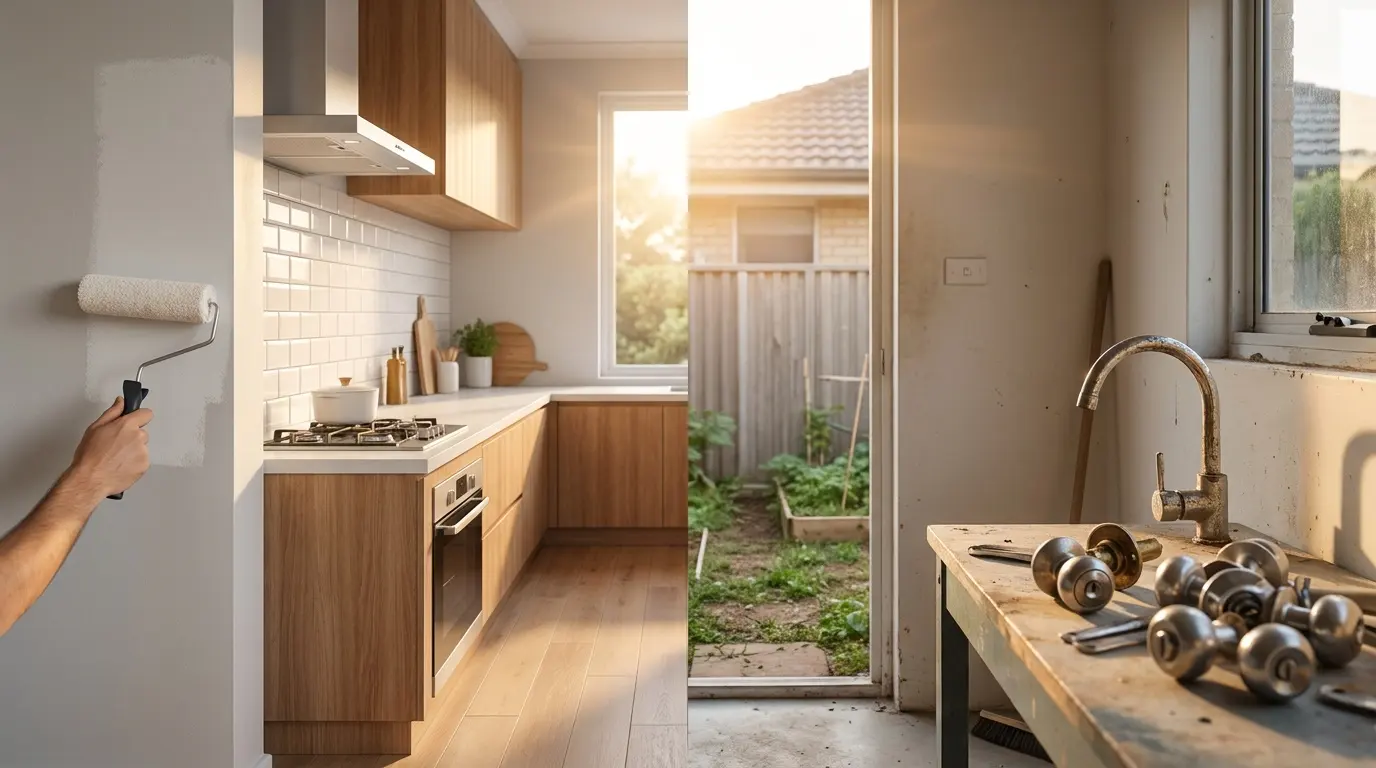
Once you have the right agent on board to sell a house and aren't planning on selling your home as-is (opens in a new tab) or accepting a cash offer (opens in a new tab) from an investor, the next step is to prepare your home for sale. This involves making essential repairs, upgrading your home, and decluttering it to create a welcoming environment for potential buyers. The goal is to present a well-maintained property that buyers can easily imagine as their future home.
Home Repairs and Upgrades
First impressions last, and this is particularly true when selling a home (opens in a new tab). Small upgrades and essential repairs can significantly sway buyers’ decisions. Consider:
- Completing a minor kitchen or bathroom renovation to ensure these key rooms look their best
- Replacing the front door to revamp your home’s exterior look
- Maintaining a trim lawn with enhanced landscaping to boost your home’s curb appeal.
Inside, you can refresh the home’s interior with modern, neutral paint colors and create an open floor plan for a sense of space. A well-maintained home can command a higher selling price in Ohio’s real estate market.
When you’re planning your pre-sale renovations, be sure to focus only on renovations that will increase your home’s value (opens in a new tab).
Staging and Decluttering
Staging and decluttering your home (opens in a new tab) can work wonders for attracting potential buyers. Decluttering helps reduce distractions, allowing buyers to focus on your home’s key features. It also makes the space feel open and larger.
Staging your home through the strategic placement of furniture and décor can help buyers picture themselves living there. Remember, a decluttered and well-staged home leads buyers to perceive higher value, suggesting a well-maintained property and increasing the likelihood of a successful sale.
Professional Photography
In today’s digital age, nearly nearly all homebuyers include internet searches in their homebuying process (opens in a new tab), and most buyers purchase a home they found online first (opens in a new tab). Therefore, high-quality professional photographs of your home can create a critical first impression. Professional photography not only attracts more buyers but also impacts the overall selling process positively.
Staging and photos by professionals can lead to receiving offers between 1% to 5% higher than the asking price, maximizing your profits. So, investing in professional photography is not an expense but an investment for a successful sale.
Pricing Your Home Strategically
Setting the right price for your home (opens in a new tab) is a critical factor in the selling process. A well-priced home in Ohio can attract more interest from buyers, lead to a quicker sale, and bring in a higher profit. To set a competitive price, you should consider various factors such as:
- Physical characteristics of the property
- Local market conditions
- Seasonality
- Economic policies
Taking these factors into account will help you determine the best price for your home.
Comparative Market Analysis
A comparative market analysis (CMA) is a tool that helps determine the right listing price for your home. It involves analyzing homes similar to yours that have recently sold in your neighborhood. It should consider the neighborhood features like amenities, school districts, and potential negatives, as well as home-specific details such as style, size, condition, and unique features.
Wondering what your home is worth? We offer a free market analysis (opens in a new tab) to help you get started on your home-selling journey.
Adjusting Price for Unique Features
Every home is unique, and your home’s unique features and amenities can justify a higher list price. Special characteristics such as updated kitchens, finished basements, or a significant garage size can make your home more attractive to buyers. However, when adjusting the price for special features, it’s essential to avoid overpricing, as this can discourage prospective buyers and overshadow the perceived value of the unique features.
Monitoring Market Changes
The real estate market is dynamic, and keeping an eye on market changes can help you make informed pricing decisions. Understanding the average months of supply, percentage of homes sold above list price, yearly decrease in homes for sale, and market activity shifts can provide crucial insights into whether it's a seller's or buyer's market (opens in a new tab). Also, consider population trends, community developments, and local market conditions. Your real estate agent will be an invaluable resource for this kind of information.
Armed with this knowledge, you and your real estate agent can adjust your pricing strategy as needed to respond to current and projected real estate trends in Ohio.
Marketing Your Home Effectively
Once your home is ready and priced right, the next step is to get the word out. Marketing your home effectively (opens in a new tab) can make all the difference in attracting potential buyers. This involves listing your home on the Multiple Listing Service (MLS), leveraging online marketing techniques, and using traditional advertising methods.
“How will you market my home?” should be one of the main questions you ask when interviewing real estate agents. A personalized marketing plan tailored to your property will offer you better results, while a poorly run one may very well be keeping your house from selling (opens in a new tab).
Listing on the MLS
The Multiple Listing Service (MLS) is a powerful tool that increases your home’s visibility to potential buyers. Homes listed on the MLS typically sell faster and for a higher price. Even if you’re selling your home by yourself (opens in a new tab) (For Sale By Owner or FSBO), you can still leverage the reach of the MLS by using one of the companies that offer a Flat Fee MLS service for FSBO sellers.
Your real estate agent will set up an MLS listing for your home, including an engaging description designed to entice potential buyers based on their knowledge of what local buyers want.
Online Marketing
In this digital age, online marketing is a must. It opens up your property to a global audience and surpasses the limitations of local print or signage. You can use virtual staging and even virtual tours to enhance the visual appeal of online listings and attract potential buyers. Also, proper search engine optimization (SEO) can increase the visibility of your online property listings to buyers searching for homes.
Compared to traditional advertising, digital marketing offers several advantages:
- It is often more affordable
- It allows for targeted advertising
- It can reach a wider audience
These factors make digital marketing an attractive choice for home sellers.
Traditional Advertising Methods
While online marketing is crucial, traditional advertising methods still hold their value. Print ads and open houses continue to be effective in attracting potential homebuyers.
Showing your home (opens in a new tab) in an open house provides a unique opportunity for potential buyers to experience the property firsthand. Additionally, yard signs and local newspaper advertising can attract local interest and capture the attention of potential buyers who may not be actively searching online.
What to Learn From Showing Your Home
Once your home hits the market, every showing becomes an opportunity—not just to sell, but to gain valuable insight. Showings provide a window into how buyers perceive your home, where improvements might be needed, and how serious your prospects really are.
Before your first showing, ensure everything is in place. Walk through your home with your agent to catch overlooked details. Keep your home spotless, well-lit, and welcoming for each tour, and allow extra time in case showings run longer than expected.
Your agent should proactively gather feedback from buyer’s agents after each showing. Whether it’s about pricing, layout, or needed updates, repeated comments can guide critical adjustments. With the right mindset and an attentive agent, you can turn that feedback into action—and a faster, smoother sale.
Watch for extended viewing times, requests for second showings, and detailed questions about the home or neighborhood. Buyers imagining changes or discussing move-in timelines are strong indicators they’re picturing themselves in the home. Body language, verbal praise, and interest in specific amenities all suggest positive momentum.
Navigating the Offer and Negotiation Process
Once you have attracted potential buyers, the next step is to navigate the offer and negotiation process. This can be a complex process, but with the right strategies, you can ensure a smooth transaction. This involves evaluating offers, handling counteroffers and negotiations, and accepting the best offer.
Evaluating Offers
When you start receiving multiple offers for your home (opens in a new tab), it’s not just about who offers the highest price. It’s also about:
- the buyer’s financial qualifications
- the terms of the offer, such as contingencies
- potential post-inspection renegotiations
- the net proceeds from each offer
You must take all these factors into account to determine the best offer for your home. Your agent can help you navigate the implications various scenarios, such as pre-qualified vs. preapproved and how various contingencies may affect your home sale.
Counteroffers and Negotiations
Receiving an offer is just the beginning of the negotiation process. If you’re not satisfied with an offer, you can make a counteroffer. This opens up a new phase of negotiation, where various terms can be negotiated, including:
- Price
- Earnest money deposit
- Closing date
- Possession date
- Closing costs
It’s crucial to handle counteroffers and negotiations effectively to achieve the best outcome. Real estate agents do this all the time, so they have plenty of experience that will help you get the best outcome.
Accepting the Best Offer
After evaluating offers and navigating the negotiation process, it’s time to accept the best offer. This doesn’t always mean accepting the highest offer. Instead, consider factors like the length of time your home has been on the market, whether you have already secured a new property, and the buyer’s financial preparedness. These factors can guide you in accepting the offer that best meets your needs.
Handling Inspections and Appraisals
Once you have accepted an offer, the next steps are inspections and appraisals. These are critical stages in the home selling process, as they can uncover potential issues that need to be addressed before the sale can be finalized.
Home Inspections
One of the most common contingencies in a home sale is the home inspection contingency, which allows a homebuyer to have an inspection performed. Depending on the inspection results, a buyer may wish to negotiate potential repairs or even back out entirely.
As a seller, you should:
- Ensure that inspectors have access to all areas
- Provide keys or codes for utility boxes or systems
- Have documentation available for any recent repairs or maintenance.
Addressing any concerns raised by the inspector promptly can help maintain the buyer’s confidence in the transaction.
You might even consider having a pre-sale home inspection done before you list your home for sale. This will give you a head start on fixing potential issues before a buyer is even aware of the possibility, allowing you to keep a positive first impression.
Appraisals
An appraisal is another critical step in the home selling process. It provides an objective valuation of your property, which influences the final selling price. If the appraisal comes in lower than the agreed selling price, you may need to lower the price, request a review of the appraisal, or allow the buyer to make up the difference. Mortgage lenders usually won’t approve a loan higher than the appraised value, so a low appraisal can change the buyer’s financial position.
Understanding the appraisal process can help you in setting a realistic price for your home based on its fair market value and securing the best possible offer.
Closing the Sale
The final step in the home selling process is closing the home sale (opens in a new tab). This is when the title is transferred to the buyer, all documents are signed and filed, and you receive payment for your home.
Preparing Required Documents
Before closing the sale, there are several documents you need to prepare; using a home selling checklist (opens in a new tab) can help you keep track of everything. In Ohio, home sellers are legally required to use a Residential Property Disclosure Form (opens in a new tab) to inform buyers of any known defects. You must also disclose any known lead-based paint hazards.
Preparing these documents correctly and providing them to the buyer before formalizing the contract ensures legal compliance and a smooth transaction.
Title Transfer and Closing Costs
The title transfer is a significant part of the closing process. In Ohio, an escrow closing is often used, where the seller signs the deed before a notary and the title agency outlines requirements to clear the title before finalizing the transfer.
The closing costs, which are usually 2–3% of the purchase price, include state and county transfer taxes and additional transfer fees depending on the county. Understanding these costs can help you prepare for the financial aspects of the sale.
Finalizing the Sale
Once all the documents are signed and filed, the keys are handed over to the buyer or their agent. This action signifies the end of the home selling process. After the title update and receipt of the buyer’s funds, the agent disburses payments for:
- taxes
- recording fees
- title insurance
- your proceeds (opens in a new tab)
Then, the deed is sent to be recorded. After the property transfer, both you and the buyer are notified that the sale is complete.
For informational purposes only. Always consult with a licensed real estate professional before proceeding with any real estate transaction.
Selling Your Home Can Be Smooth Sailing
Selling your house in Ohio can be smooth and profitable when you follow the right steps. From choosing the right real estate agent to preparing your home for sale to marketing it effectively and closing the sale, each step is crucial. You'll also need to prepare for the costs of selling a home (opens in a new tab) so that you aren't caught off-guard financially by any of these steps.
Remember, every home is unique, and so is every home selling experience. With the right strategies, you can simplify the process, attract the right buyers, and maximize your profits.
Frequently Asked Questions
Do I need a lawyer to sell my house in Ohio?
It's not mandatory to hire a lawyer to sell your house in Ohio, but it's advisable to work with one to ensure your interests are protected in this significant financial transaction. While Ohio state law doesn't require it, a real estate attorney can help minimize legal risks and navigate mandatory disclosures and closing documents.
How do I sell my house privately in Ohio?
To sell your house privately in Ohio, you can follow the steps of preparing your house, setting a competitive price, creating a compelling listing, listing your home online, marketing your home, managing showings, and evaluating offers to negotiate a deal. You just won’t have the benefits of a real estate agent’s experience, network, and resources to help you get the best outcome.
How much are closing costs in Ohio?
Closing costs in Ohio typically range from 2–3% of the home's purchase price. However, the specific amount can vary for each buyer. Ohio has a median home price of over $230,000, which translates to the expected closing costs being between $4,600 and $6,900.
How do I choose the right real estate agent in Ohio?
Choose a real estate agent in Ohio with local market expertise, strong communication and negotiation skills, and a proven track record of success. If you’re in Northeast Ohio, we know a team that would love to hear from you (opens in a new tab) about any questions you may have.
Ready to start looking for your new home in Ohio? Call The Young Team (opens in a new tab) at (216) 402-4774 today to get in touch with a local real estate expert who can help you start your homebuying journey.
Sell Your Home With Confidence.
Sell Your Home With The Young Team.
Ready to sell your home for top dollar? Let The Young Team handle it all. Contact us now to schedule a consultation and take the first step towards a stress-free home selling experience with the best real estate team in OH.