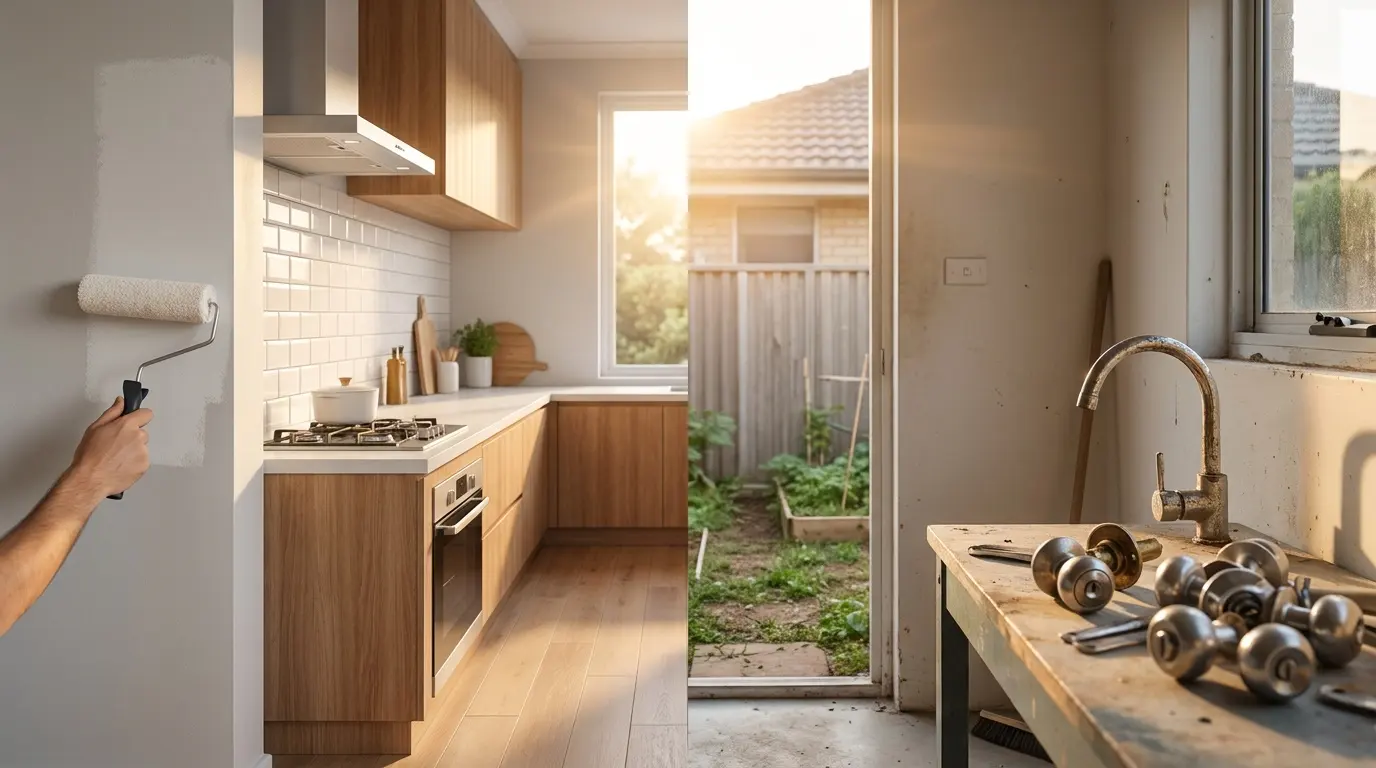

Selling a house as-is can be a complex decision for sellers maneuvering the real estate market. With potential benefits like saving time and money, sellers must weigh the risks and rewards carefully before committing to this strategy. Even if it's your first time selling a home (opens in a new tab), you can quickly learn how to weigh the pros and cons of selling as-is and make the right decision for you.
Sell Your Home With The Young Team.
Maximize the value of your home with The Young Team. Schedule your consultation today and experience a hassle-free home selling process with the best real estate team in Ohio.
Get Started (opens in a new tab)
5 Tips For Selling a Home As-Is
- Disclose current property conditions accurately in listings.
- Price competitively to reflect as-is state and potential repairs.
- Emphasize fixer-upper appeal for investor interest.
- Be transparent about property flaws to build trust with buyers.
- Adjust pricing based on estimated repair costs for fair deals.
What Does it Mean to Sell a Home As-Is?
Selling a home as-is means listing the property or just a portion (opens in a new tab) in its current state. This approach allows sellers to present the house in its existing condition without making any repairs before selling. Despite this, sellers are still obligated to provide a seller's disclosure (opens in a new tab), which outlines any known issues or defects with the property.
By selling a house as-is, sellers are essentially communicating to potential buyers that they'll not be making any repairs or improvements before the sale. This can attract buyers looking for a project or those willing to invest in fixing up the property themselves. It's vital for sellers to accurately represent the current condition of the home to avoid any legal complications down the line.
Pricing an as-is home should reflect its current state and the potential costs buyers may face to address any necessary repairs or upgrades.
Common Reasons to Sell a Home As-Is
- Avoid Costly Repairs: Selling as-is if the home is in poor condition (opens in a new tab) eliminates the need to spend money on repairs or upgrades, which can be expensive and time-consuming.
- Faster Sale Process: If you need to sell your home fast (opens in a new tab), skipping repairs saves a lot of time.
- Attracts Cash Buyers: As-is properties often attract cash buyers or investors looking for fixer-uppers, which can lead to quicker, hassle-free transactions.
- Avoid Inspection Stress: You won't have to worry about making repairs based on buyer inspections or negotiations for fixes.
- Less Hassle: Reduces the overall hassle and complexity of the selling process, making it easier for sellers who are looking for a quick and straightforward transaction.
- Financial Constraints: It's a good option if the seller doesn't have the funds available to invest in necessary repairs or upgrades.
- Selling Due to Distress: Ideal for sellers in distress situations, such as foreclosure, divorce, or urgent relocation, where time and convenience are critical.
- Market Conditions: In a strong seller's market, buyers may be willing to overlook property conditions in favor of purchasing quickly.
- Inherited Property: Selling inherited homes as is can be a practical option for heirs who want to liquidate the property without the hassle of repairs.
- Avoiding Low ROI Renovations: If the cost of repairs or renovations wouldn't significantly increase the sale price, selling as is may provide a better return on investment.
How to Sell a Home As-Is
Set a Fair Price
Pricing your home appropriately (opens in a new tab) is crucial when selling it as is. A fair price should reflect the property's current condition, considering any necessary repairs or updates. Overpricing can deter potential buyers, while underpricing might result in lost value. It's helpful to work with a real estate agent who can provide a comparative market analysis (CMA) to determine a competitive price based on similar homes in the area. Being realistic about pricing will attract serious buyers who understand the property's value despite its condition.
Make Some Low-Cost Renovations
While selling as is generally means avoiding major repairs, some low-cost improvements can significantly boost your home's appeal and marketability. Simple upgrades like fresh paint, thorough cleaning, landscaping, or replacing outdated fixtures can make a big difference. These small investments can create a more positive first impression and may help you sell faster or at a higher price by reducing the perceived work needed by the buyer.
Get a Pre-Listing Inspection
Conducting a pre-listing inspection is similar to a buyer-issued home inspection (opens in a new tab). It provides valuable insights into the condition of your property. It allows you to identify any major issues that could become sticking points in negotiations. Armed with this information, you can decide whether to address some of these issues or adjust your pricing strategy accordingly. Additionally, providing buyers with a recent inspection report can build trust and demonstrate transparency, potentially speeding up the sales process.
Be Transparent in Your Marketing
Honesty is key when marketing a home as is. Clearly communicate the property's condition, including any known issues or needed repairs. Transparency not only builds trust with potential buyers but also reduces the risk of negotiations falling apart due to unexpected discoveries during the buyer's inspection. Highlight the positive aspects of the property as well, such as location, layout, or potential for customization, to attract buyers who see the value despite the needed work.
Target the Right Buyers
When selling a property as is, targeting the right audience is essential. Your ideal buyers might include investors, flippers, or first-time buyers looking for a more affordable entry into the market who are willing to put in some work. Marketing the property as a great opportunity for those looking to renovate or customize a home can attract these types of buyers. On the other hand, marketing a fixer-upper home to the wrong buying pool will likely prevent the house from selling (opens in a new tab).
Selling a House As-Is By Owner
Taking on the role of a solo seller, the owner of a house listed as-is assumes full responsibility for overseeing the entire selling process without the involvement of a real estate agent. Selling a house as-is by an owner allows individuals to save on commission fees while requiring them to handle all aspects of the sale independently.
However, selling a house without a Realtor (opens in a new tab) is rarely optimal. To succeed in selling a house as-is by the owner, individuals must understand the local real estate market and legal requirements. Additionally, they should be prepared for the additional time and effort this method may entail compared to using a real estate agent.
Selling a House As-Is for Cash
For those seeking a swift transaction, selling a house for cash (opens in a new tab) presents a viable option in the real estate market. Cash home buyers are willing to buy properties in their current state, eliminating the need for sellers to make repairs or updates. When selling your home for cash, remember that the house needs to be priced accordingly to reflect its condition. Here are some key points to take into account when choosing to sell a house as-is for cash:
- Cash buyers may offer lower prices but provide a faster closing process.
- Selling for cash can be appealing for sellers looking to avoid the hassle of traditional financing.
- Cash home-buying companies allow for flexible closing schedules.
- Professional cash buyers can often close in as little as two weeks.
- Cash offers for as-is properties can be advantageous for sellers needing to sell quickly without making repairs.
- Selling a house as-is for cash typically involves a quick sale with minimal repairs or updates.
Pros and Cons of Selling a Home As-Is
Selling a house as-is can offer sellers the advantage of saving time and money by avoiding costly repairs and renovations. However, this approach may come with a trade-off, potentially resulting in a lower sale price and a narrower pool of interested buyers. It's essential for sellers to carefully weigh these pros and cons before opting for an as-is sale.
Pros
By listing a property as-is, homeowners can expedite the selling process and attract buyers seeking renovation opportunities. This can save sellers time and money by eliminating costly repairs and renovations. This approach often appeals to investors and cash buyers looking for properties with the potential for renovation or flipping, increasing the chances for a cash offer.
Additionally, the transparency inherent in as-is sales can foster trust with buyers, who are fully aware of the property's condition upfront. By avoiding lengthy negotiations over repairs, sellers benefit from quicker sales. This streamlined approach can also reduce the stress (opens in a new tab) and uncertainty often associated with traditional home sales.
Cons
When considering the cons of selling a house as-is, sellers should be aware that this approach may reduce the final sale price as buyers often factor in the cost of necessary repairs. Selling an as-is home comes with challenges that sellers need to weigh carefully:
- Limited buyer pool due to negative perceptions of as-is sales
- Raising red flags for potential buyers by pushing for an as-is sale
- Legal risks if known defects aren't properly disclosed during the transaction
- Increased time on the market as buyers may be hesitant to purchase a property in poor condition
- Potential for a lower selling price as buyers negotiate based on the property's current state
Navigating these cons requires sellers to proactively address property issues, ensure full disclosure, and set realistic expectations for the selling process.
How Much Money Do You Lose Selling a House As-Is?
Selling a house in its current state can result in a noticeable decrease in the property's market value, possibly up to 20%. The reduced selling price stems from needed repairs, outdated features, and potential hidden issues within the property. Buyers often anticipate discounts when purchasing a house in its current state, further contributing to sellers' loss in market value.
However, it's not always the case that you lose money when selling as-is. Most importantly, you need to factor in how much you'll save by not pursuing repairs. Even if the house would've sold for more with the renovations, would that amount be enough to recoup the total cost?
Is Selling As-Is Right For You?
To sum up, selling a house as-is can be a practical option for sellers looking to streamline the selling process and avoid costly repairs. While there are some drawbacks, such as potentially attracting a smaller buyer pool, it can also benefit those facing financial constraints or time limitations. By fully disclosing the property's condition and adjusting the selling price accordingly, you can learn how to sell a home (opens in a new tab) in any condition.
Sell Your Home With Confidence.
Sell Your Home With The Young Team.
Ready to sell your home for top dollar? Let The Young Team handle it all. Contact us now to schedule a consultation and take the first step towards a stress-free home selling experience with the best real estate team in OH.