
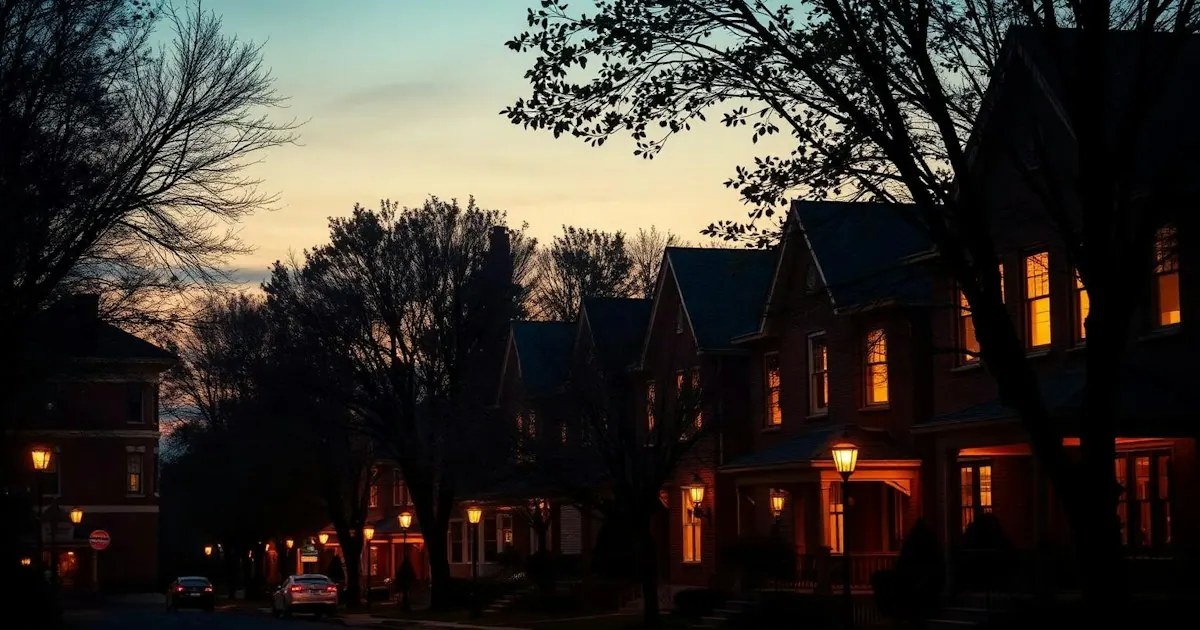
Cleveland consistently ranks among the most affordable major cities in the U.S., but the appeal goes beyond the numbers. With lakeside recreation, historic neighborhoods, and a cultural footprint that includes everything from the Rock & Roll Hall of Fame to a top-tier theater district, it offers a lot of city for the cost.
So, should you move to Cleveland? This guide walks you through what it’s actually like to live here, from housing costs to leisure activities and what truly defines the experience of living in Ohio (opens in a new tab).
Search Cleveland Homes For Sale.
See Homes in Cleveland (opens in a new tab)
10 Reasons Cleveland is a Great Place to Live
- City with Character: Rich history and vibrant local culture.
- Lake Erie Access: Enjoy waterfront activities and scenic views.
- Historic Neighborhoods: Explore Cleveland's neighborhoods (opens in a new tab) that locals love, including Tremont (opens in a new tab) and Ohio City.
- Affordability: Competitive housing market and lower cost of living than many big cities.
- Budget-Friendly Activities: Numerous affordable entertainment and leisure options.
- Outdoor Recreation: Enjoy Lake Erie, Cuyahoga Valley National Park, and more.
- Active Sports Scene: Support local teams like the Browns, Cavaliers, and Guardians.
- Diverse Cuisine: Delicious food options throughout the city.
- Thriving Arts Scene: Numerous galleries, theaters, and cultural events.
- Economic Hub: Home to major employers in various industries.
The Affordable Cost of Living in Cleveland
Residing in Cleveland is not heavy on the pocket, thanks in part to its median household income and lower living expenses in Ohio (opens in a new tab). The city boasts a competitive housing market, a lower cost of living compared to many major cities, and an array of budget-friendly attractions and activities, making it one of the most affordable cities in Ohio (opens in a new tab) and one of the most affordable in the country (opens in a new tab).
Housing Market
The affordability of its housing market sets the standard for the low cost of living in Cleveland (opens in a new tab). Whether you’re looking to rent or buy a home (opens in a new tab), the city provides choices that are more pocket-friendly than the national average, including a lower average rent.
Homes for sale in Cleveland (opens in a new tab) generally have a median home price in the low-to-mid-$100s. When the median home price nationwide is around $380,000, Cleveland real estate is highly affordable. There's also a wide price range available—luxury homes and high-rise penthouses can sometimes surpass $1 million. Truly, there's a home for every budget.
A home in Cleveland is also a good investment. Throughout the Cleveland Metro housing market (opens in a new tab), home values have risen each year for a solid decade. Single-family homes in Cleveland's suburbs typically have a median home price around $200,000.
Cost of Living Comparison
Cleveland outshines other major cities with its comparatively lower cost of living. From housing and health care to transportation, Cleveland offers a more affordable lifestyle.
On a cost of living index, where 100 is considered the national average, the city of Cleveland scores around 83, making it nearly 20% cheaper to live in Cleveland than the typical American city.
The bulk of this low cost of living comes from the affordability of housing in Cleveland, which is at 23.7% of the national average. Health care and transportation are both about 5% more affordable as well. Groceries are on par with the average, while utilities are about 4% more expensive. While Ohio taxes (opens in a new tab) include both state and federal returns, Cleveland remains more affordable than numerous cities without a state income tax.
Here's the overall cost of living for several other cities to help showcase how affordable Cleveland is:
- Columbus, Ohio: 91.4
- Tampa, Florida: 104.2
- Detroit, Michigan: 91.8
- Denver, Colorado: 127.6
- San Francisco, California: 245.5
- Manhattan, New York: 204.1
Budget-Friendly Attractions and Activities
In Cleveland, entertainment doesn’t necessarily imply a hefty expense. The city offers numerous budget-friendly attractions and activities, ranging from free museum admissions to outdoor events.
If you're looking for free things to do in Cleveland, these are just the start:
- The Cleveland Museum of Art
- The Museum of Contemporary Art (moCa)
- The International Women’s Air & Space Museum
- The Rockefeller Park Greenhouse and botanical garden
- NASA Glenn Research Center tours
- The Butterfly House at the Miller Nature Preserve
And, if you're a Cleveland resident with proof of residency, The Rock & Roll Hall of Fame, The Cleveland Museum of Natural History, and the Cleveland MetroParks Zoo also offer free admission! Check their websites to see which days.
More information about cost of living in Cleveland:
- Cost of Living in Cleveland - PayScale.com (opens in a new tab)
- Cost of Living Calculator Cleveland - Salary.com (opens in a new tab)
- Cleveland Cost of Living - Axios.com (opens in a new tab)
Cleveland's Outdoor Activities and Natural Beauty
Overflowing with scenic beauty, Cleveland presents endless opportunities for outdoor escapades. From the shores of Lake Erie to the vast Cuyahoga Valley National Park, and the extensive MetroParks System, there’s a slice of nature for everyone.
Lake Erie
Lake Erie, teeming with various recreational activities, serves as a nucleus for outdoor enjoyment. Access to this Great Lake is one reason why someone may prefer living in Cleveland versus Columbus (opens in a new tab) or other Ohio communities. Here, you can indulge in boating, fishing, swimming, or simply unwind by one of Ohio's most scenic beaches (opens in a new tab).
Cuyahoga Valley National Park
Cuyahoga Valley National Park acts as a sanctuary for nature aficionados. With its diverse landscapes, abundant wildlife, and extensive hiking trails, the park offers a perfect escape into nature.
MetroParks System
Nicknamed the "Emerald Necklace," the Cleveland MetroParks System spans more than 24,000 acres of parkland. This includes lakefront parks, beaches, playgrounds, nature reserves, and over 100 trails winding through Cleveland (opens in a new tab).
Sports in Cleveland
The Forest City's sports culture is vibrant and alive, fueled by the relentless support from its sports fans for their three professional sports teams: the Browns, Cavaliers, and Guardians.
The Cleveland Browns (NFL) have experienced their share of struggles, but their dedicated fan base remains loyal and hopeful for future success. The Cleveland Browns stadium also hosts events such as concerts and college football.
Despite no longer having LeBron James, one of the most famous people from Cleveland (opens in a new tab), the Cleveland Cavaliers (NBA) have made the playoffs three straight years and look to continue to make deeper runs. The Rocket Arena is their home arena.
The Cleveland Guardians (MLB), formerly known as the Indians, underwent an impactful rebranding in 2021. The new name is deeply rooted in the city’s history, symbolizing a fresh start for the team. Progressive Field is their home turf.
On game days, find your people and cheer on your new home team at one of Cleveland's best sports bars.
Embracing Cleveland's Cultural Activities
Cleveland is adorned with a rich cultural tapestry, featuring prominent museums, dynamic arts, and historic neighborhoods.
Rock and Roll Hall of Fame
The Rock and Roll Hall of Fame is one of the most iconic things to do in Ohio (opens in a new tab). From exhibits and interactive displays to live performances, this iconic museum beautifully narrates the influential history of rock music. It's a fitting monument in a city that was home to America's first official rock concert (opens in a new tab).
University Circle
University Circle, a bustling epicenter of education and things to do in Cleveland (opens in a new tab), is home to renowned institutions like the Cleveland Museum of Art, the Cleveland Orchestra, and Case Western Reserve University. These establishments significantly enrich the city’s intellectual and cultural milieu.
Ohio City Neighborhood
Step into the Ohio City neighborhood (opens in a new tab), and you’ll find yourself amid historic charm, local shops, and a tantalizing array of restaurants and breweries. This lively neighborhood enriches Cleveland’s social scene and offers a taste of local life.
Typical Weather in Cleveland
The weather in Cleveland can be a rollercoaster, marked by chilly temperatures and substantial snowfall in the winter and high temperatures up to the low 80s in July. The lowest low temperatures occur in January, with lows of 22 degrees and highs of 34 degrees.
Cleveland’s winter is typified by prolonged, frosty months and recurrent snowstorms. The city’s proximity to Lake Erie often results in lake-effect snow (opens in a new tab), leading to even more intense snowfall. In a typical winter, Cleveland sees 50–60 inches of snow, about twice the national average.
More information about the climate in Cleveland:
- Cleveland 10-day Weather Forecast - Weather.com (opens in a new tab)
- Average Weather in Cleveland - WeatherSpark.com (opens in a new tab)
- List of Major Weather Events near Cleveland - Weather.gov (opens in a new tab)
Economy and Job Market in Cleveland
The economy of Cleveland has an assortment of industries like healthcare, advanced manufacturing, finance, and technology. These industries play a significant role in sustaining the city’s job market.
Dozens of Ohio's major employers (opens in a new tab) call Cleveland home. A few include:
- The Cleveland Clinic
- MRI Software
- Accenture
- Hyland
- TransDigm
- Westfield Insurance
Northeast Ohio is also home to multiple Fortune 500 companies, including Cleveland-Cliffs, Sherwin-Williams, and KeyCorp in Cleveland itself. Parker-Hannifin is in the Mayfield Heights suburb (opens in a new tab), Progressive Corporation is in Mayfield Village, and TravelCenters of America is in Westlake (opens in a new tab). A bit further out in Akron (opens in a new tab) are Goodyear Tire & Rubber Company and FirstEnergy. The J.M Smucker Company is a little south of that in Orrville.
More information about finding a job in Cleveland:
- Top Workplaces in Northeast Ohio - TopWorkplaces.com (opens in a new tab)
- Search for Jobs in Cleveland - Indeed.com (opens in a new tab)
Getting Around Cleveland
View Larger Map (opens in a new tab)
The efficient services of the Greater Cleveland Regional Transit Authority (RTA), operating buses, rapid transit, and trolleys citywide, simplify commuting in Cleveland. From a variety of rail lines and trolleys to extensive bus routes with hundreds of stops around the city and surrounding areas, the RTA ensures you can get where you need to go.
Apart from the RTA, Cleveland presents alternative commuting options such as ride-sharing services and conventional taxis. These options provide additional convenience and flexibility for residents and visitors alike.
In terms of traffic, Cleveland seems to get off lightly when it comes to big-city traffic congestion. The average commute is below the national average, at just over 24 minutes. There are several traffic chokepoints to be aware of during rush hour in Cleveland (opens in a new tab):
- Congestion is usually heaviest where southbound I-71 meets I-480, around the Brooklyn Heights neighborhood
- I-480 between Broadway Avenue and Camden Road, the north edge of the Maple Heights community (opens in a new tab), is typically congested during morning rush hour
- When there's a game on, expect I-77 and I-90 to be heavily trafficked
More information about traffic in Cleveland:
- Cleveland Commuting Times - BestPlaces.net (opens in a new tab)
- Cleveland Drive Time Map - ViaMichelin.com (opens in a new tab)
- Cleveland Road Construction News - ClevelandOhio.gov (opens in a new tab)
Education and Healthcare in Cleveland
Schools and Universities
The city’s educational landscape (opens in a new tab) is enhanced by its schools and universities. They offer a range of academic programs and set students up for future success.
The majority of Cleveland is served by the Cleveland Metropolitan School District, formerly called the Cleveland Municipal School District. In addition to traditional public schools, CMSD includes several academies, early college high schools, and remote learning options, along with other specialized options like dual language.
Schools in CMSD are generally divided into PK–8 or K–8 schools and high schools rather than elementary, middle, and high school categories, though some PK–9 schools are also available. CMSD also has a high school choice program that allows students to choose between the district's 30 high schools.
Cleveland State University is the city's major higher education institution, with around 10,000 students enrolled. Other universities and colleges in the area include Case Western Reserve University, Oberlin College and Conservatory, John Carroll University, and Baldwin Wallace University.
Cleveland Clinic
The Cleveland Clinic holds a leading position in the city’s healthcare industry. Known for its top-tier medical care and research facilities, it offers a comprehensive range of specialized healthcare services, including:
- Cardiology
- Neurology
- Oncology
- Orthopedics
- Pediatrics
- Women’s Health
The Cleveland Clinic system includes 23 hospitals and 275 outpatient facilities worldwide. Its medical achievements include the discovery of serotonin, the first successful larynx transplant, and the development of a vaccine against triple-negative breast cancer, among many other lauded accomplishments.
As an employer, it has more than 58,600 people on its payroll and is indirectly responsible for over 61,000 other jobs. Every three years, the clinic system conducts health needs assessments for the neighborhoods surrounding each of its hospitals in order to adapt and improve its services.
Pros & Cons of Living in Cleveland
Just like any community, there are benefits and drawbacks to Cleveland. See if they line up with what you're looking for in your new home.
Pros
- Low cost of living, especially when it comes to housing. Cleveland’s home values and list prices sit far below the U.S. median, making buying realistic for more people.
- Access to Lake Erie + lots of parks. You get a true waterfront city vibe—beaches, boating, fishing—plus the huge Metroparks system and Cuyahoga Valley National Park.
- Strong arts, music, and cultural institutions. The Cleveland Museum of Art, Orchestra, Playhouse Square, and the Rock Hall are all great destinations to celebrate the arts.
- Big-league sports energy. Browns, Cavs, and Guardians games and the bar scene create easy community.
- Top-tier healthcare and medical jobs. Cleveland Clinic and University Hospitals make healthcare both a resident perk and a huge employment engine.
Cons
- Harsh winters and lake-effect snow. Cold, gray stretches and heavy snowfall are real; lake-effect storms can disrupt driving and daily routines.
- Job market is solid but not “boomtown.” Healthcare, manufacturing, finance, and tech are strong pillars, but salaries might feel more modest than faster-growing Sunbelt hubs.
- Transit exists, but many areas are car-dependent. RTA is useful in core corridors, yet lots of neighborhoods/suburbs still require a car for easy living.
- Not a nightlife destination. While there are certainly bars and clubs, it's not the same level of excitement that some are looking for.
Ready to Discover Your New Home in Cleveland?
Cleveland isn’t trying to be a big urban city, and that’s exactly why people fall for it. It’s a city with grit and warmth, where deep-rooted history meets fresh momentum, and where you can build a comfortable life without constantly doing math in your head.
Between affordable housing, an active waterfront and park system, passionate sports culture, and a rich arts and dining scene, it's easy to see why it's one of Ohio's best cities (opens in a new tab). If you’re looking for a place with character, community, and room to grow, moving to Cleveland might not just be a practical choice—it could be the one that makes everyday life more enjoyable.
Frequently Asked Questions
Is Cleveland a good place to live in?
Cleveland is a great place to live with diverse outdoor activities, a renowned healthcare system, and a world-class theater district. Homes are quite affordable and the cost of living is low compared to the national averages.
Why are people moving to Cleveland?
People are moving to Cleveland because of its low cost of living, affordable housing, growing job market, and new development.
Is it expensive to live in Cleveland?
Cleveland is among the cheapest metropolitan areas to live in, with housing costs roughly 24% lower than the national average. Overall, it's about 10% lower than the national average. Additionally, the most affordable suburbs (opens in a new tab) offer a similar cost of living.
What are some of the cultural attractions in Cleveland?
Cleveland offers cultural attractions such as the Rock and Roll Hall of Fame, the Cleveland Museum of Art, and vibrant neighborhoods like Ohio City, providing a diverse and enriching experience for visitors.
What outdoor activities does Cleveland offer?
Cleveland offers a variety of outdoor adventures, including activities around Lake Erie, Cuyahoga Valley National Park, and the MetroParks System. Whether you enjoy hiking, water sports, or simply being in nature, there's something for everyone to explore in the area.
Ready to start looking for your new home in Cleveland? Call The Young Team (opens in a new tab) at (216) 402-4774 today to get in touch with a local real estate expert who can help you start your homebuying journey.