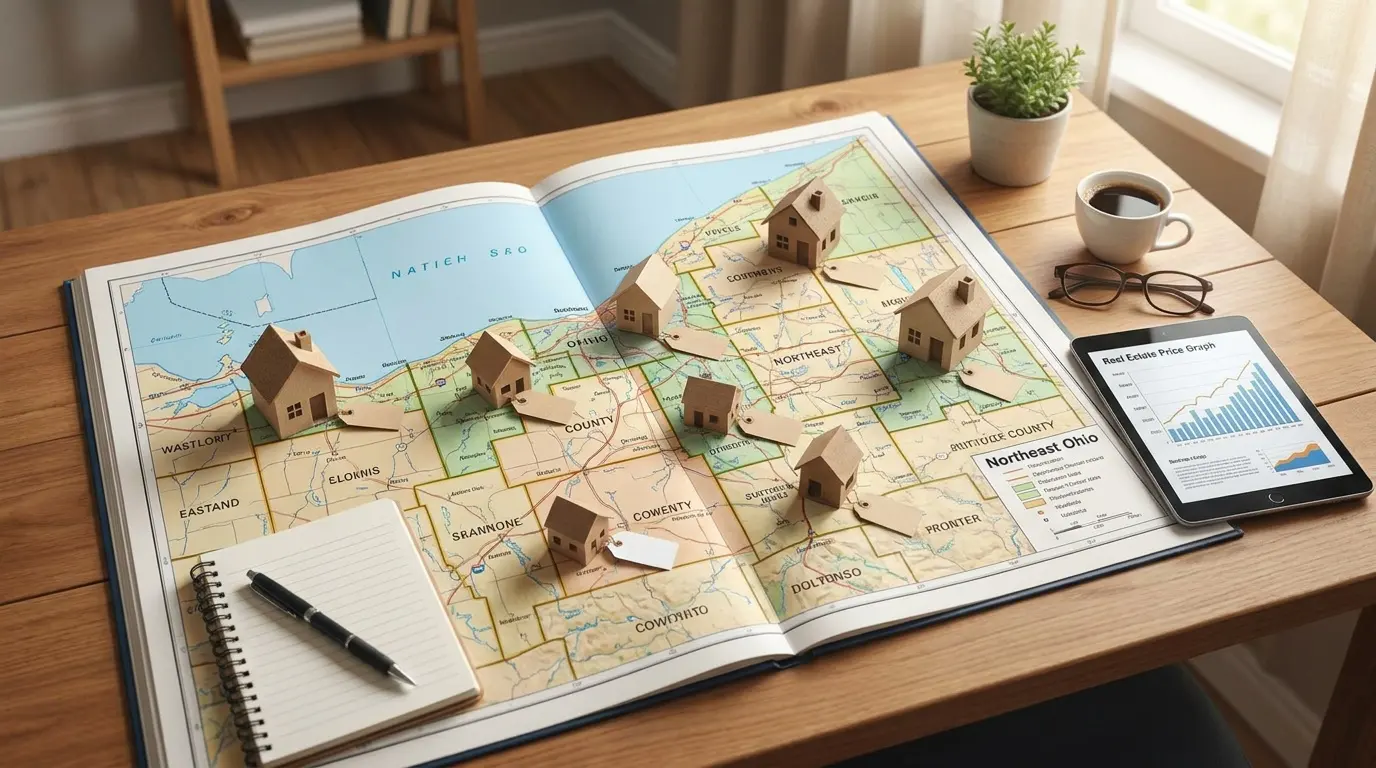

Land appraisals are important, representing a professional's opinion on what your land is worth. Whether you're buying, selling, or getting a loan (opens in a new tab), knowing your property's true market value helps you make smart decisions and avoid costly mistakes.
Find Homes with The Young Team.
See Homes For Sale (opens in a new tab)
Quick Land Appraisal Tips
- Get your property documents ready before the land appraiser visits.
- Clear debris and maintain your land for a better first impression.
- Know your zoning rules—they directly affect your land's value.
- Location matters more than almost anything else.
- The right land appraiser makes a huge difference—don't just pick the cheapest one.
What Is a Land Appraisal?
A land appraisal tells you what your vacant land (opens in a new tab) is worth in today's market. It's not a random guess—it's a careful look at your property compared to similar properties that have sold recently.
Land appraisers use different land valuation methods. They might compare recent sales, consider how much income the land could generate, or calculate replacement costs. The goal is to find the fair market value your land would sell for right now.
Accurate land appraisals give property owners clear information about their most valuable asset. They're essential for making smart decisions about land transactions, whether you're buying, selling, or using your land for financial purposes.
Why You Might Need a Land Appraisal
Land appraisals do more than just help with buying and selling. Here's why they matter:
- Fair property taxes: Land appraisals are essential for getting a fair property tax bill (and avoiding overpaying).
- Securing loans: Banks require them when you want to use your land as collateral.
- Settling disputes: Need to resolve disagreements about property values? An appraisal can help.
- Estate planning: Many property owners need appraisals for dividing assets or planning inheritances.
- Investment decisions: Land appraisals help you understand if a piece of land is worth your money.
- Buying and selling land: A property appraisal tells you what sales price you can expect (opens in a new tab).
An accurate land appraisal helps you avoid paying too much when buying or selling too low when it's time to move on. It gives you the confidence to make real estate transactions based on real numbers, not guesses.
Who Can Appraise Your Land?
Not just anyone can legally appraise your land. You need a licensed appraiser who has special training and certification. These professionals follow strict standards and know your local real estate market inside and out.
The most qualified real estate appraisers have:
- Professional certification and licenses
- Years of experience with land appraisals in your area
- Knowledge of local property values and market trends
- Understanding of how soil quality affects land value
- Familiarity with local zoning laws and regulations
Most importantly, they stay neutral throughout the process—their job is to find the true value, not what you want to hear. A good land appraiser will always provide an unbiased market value based on data, not opinions.
How the Land Appraisal Process Works
Understanding how land appraisals work helps you prepare and get the most accurate value. Here's what happens:
First Visit: Property Inspection
This is basically the same as a home inspection (opens in a new tab), except the inspector is searching for different features.
The process starts with a meeting where you'll discuss why you need the appraisal, special features of your land, and review important documents such as property deeds and surveys. This gives the land appraiser context before they walk your property.
During the inspection, the appraiser examines the physical features of your land and any improvements you've made. They'll note how the land is currently used and check the quality of your soil. They also look at how easy it is to access your property and identify any natural resources.
Each of these factors affects your final value. Good access and high-quality soil usually means a higher appraisal, because the land can be used for a wider range of purposes.
Behind the Scenes: Data Collection
After visiting your property, the appraiser digs into research. They spend time finding similar properties that sold recently (opens in a new tab) and checking local zoning laws that affect what you can do with the land. They'll also look at environmental reports and review community planning that might impact future value.
The more unique your land is, the harder this part gets. If there aren’t any good matches, the appraiser might need to look at comparable properties from further away or older sales data. Having to use dissimilar comps makes it more likely that the appraised value will be off.
Final Step: The Appraisal Report
The last step is creating a detailed appraisal report with your land's estimated fair market value. The report explains how the appraiser reached this number and includes supporting data from similar property sales.
A good appraisal report will include:
- The estimated market value of your land
- Photos and maps of your property
- Details about comparable sales data used
- Information about current market conditions
- Explanation of the methods used to determine value
This report helps you understand not only what your land is worth but also why it's valued that way. It's a valuable tool whether you're selling, buying, or planning.
What Makes Land More Valuable?
Several key factors affect how much your land is worth. Understanding these factors helps you make smart decisions about buying, selling, or improving land.
Location Is (Almost) Everything
Where your land sits matters more than almost any other factor. Land values rise when:
- Your property is close to cities or towns.
- There's easy access from public roads.
- Nearby amenities like shops, schools, or parks exist.
- The property has water features or mountain views.
Even within the same area, location differences can mean thousands of dollars in value. Corner lots or properties with better views often sell for more.
This is why you can actually decrease your land value by subdividing it (opens in a new tab). Parts of the property might lose a valuable view or easy access to the nearest road. Size also matters; if your land is in a great location for a commercial development, you don’t want to break it into pieces too small to build a commercial building.
Zoning Rules Can Make or Break Value
Zoning laws tell you what you can and can't do with your land. Land use directly impacts property valuation because:
- Residential zoning in growing areas often means higher value.
- Commercial zoning near busy roads can be worth even more.
- Agricultural zoning might limit development options.
- Recent zoning changes can dramatically raise or lower values.
Always check zoning before buying land. A great deal might not be so great if you can't use the land as planned.
Soil Quality and Environmental Factors Matter
The physical features of your land play a big role in its value. Good drainage adds value; flood-prone areas lose value. Quality soil is critical for farming or building. Natural resources like timber or minerals can boost worth, but environmental issues like contamination can reduce your value.
Smart buyers always check soil quality before making an offer. Poor soil can make building a house (opens in a new tab) more expensive or farming impossible. Environmental problems can be costly to address and might make it hard to sell the land later.
How Appraisers Determine Land Value
Land appraisers use three main methods to figure out what vacant land is worth. Each approach works better in different situations.
Comparing Similar Sales
This is the most common method for appraising land. The appraiser:
- Finds recently sold land with similar features
- Adjusts for differences between those properties and yours
- Uses these comparable properties to estimate your land's value
This works best when several similar properties have sold recently. It's like seeing what others paid for the same model car and then adjusting for mileage and features.
The quality of comparable sales data directly affects how accurate your land appraisal will be. In areas with lots of land transactions, this method provides very reliable results.
Looking at Income Potential
For land that could generate income (like farmland or commercial property), appraisers might:
- Calculate how much money the land could make
- Convert that net operating income into a present value
The income approach makes sense for investment properties, farmland, or commercial lots. If your land could earn $10,000 a year in rent or crops, that directly affects its value.
The Cost Approach
Sometimes, especially with unique properties, appraisers use the cost approach by:
- Calculating what it would cost to replace any structures or improvements
- Adding that to the estimated value of the land itself
- Subtracting depreciation (wear and tear over time)
This works well for new buildings (opens in a new tab) or special-use properties that rarely sell.
Common Problems in Land Appraisals
Land appraisals aren't always straightforward. Here are some challenges you might face:
When There's Nothing to Compare
Some properties are unique—maybe yours is the only lakefront lot, or perhaps it's much larger than typical parcels. This makes it hard for appraisers to find good comparisons.
Without a good sales comparison, appraisers might need to look at properties farther away or older sales. Sometimes they may need to use different valuation methods altogether.
This can make the appraisal less precise. Be ready to provide information about what makes your land special.
Market Changes Can Skew Values
Real estate markets change quickly (opens in a new tab). This causes problems because yesterday's prices might not reflect today's reality. Rising interest rates can cool hot markets, and economic changes can shift land values almost overnight.
A good appraiser adjusts for these factors, but fast-changing markets make their job harder. The most accurate land appraisals consider current market trends when determining land’s market value.
Dealing with Rules and Regulations
The legal side of land ownership affects appraisals, too. Zoning changes might be in progress. Environmental regulations could affect use, and access rights and easements need checking. Building codes might limit your options for developing land.
These issues can be complex and time-consuming to sort out. They sometimes lead to different opinions about value, even among experts.
How to Get the Best Value for Your Land
Want your land to appraise for more? Here's how to prepare:
Get Your Land Ready for Appraisal
First impressions matter, even for land. Clean up debris and maintain access roads before the appraiser visits. Make sure your property boundaries are marked, and address any obvious problems like drainage issues. Don't forget to gather all relevant documents and permits ahead of time.
Taking care of these basics shows your land at its best. It's like staging your home (opens in a new tab) or cleaning your car before selling it—small efforts can boost perceived value.
Show Off What Makes Your Land Special
Be ready to point out features that add value to your property. This might include nice views or unique natural features on your land. Mention any recent improvements you've made and potential uses that might not be obvious. If you have good access to utilities or services, point that out. Details about soil quality or timber value can also boost your appraisal.
Don't assume the appraiser will notice everything. Politely highlight special features without being pushy.
Work with a Real Estate Agent Who Knows Land
A good agent with land experience can:
- Help you understand local land values
- Suggest improvements that boost value
- Guide you through the appraisal process
- Connect you with qualified land appraisers
Their expertise often pays for itself in better results. The right agent knows what local buyers value most.
Finding the Right Land Appraiser
The land appraiser you choose directly affects your result. Here's how to find a good one:
Do Your Homework First
Before hiring anyone, check their license and certification to make sure they're properly qualified. Look for membership in professional organizations, as this shows their commitment to industry standards. Read reviews from past clients and ask for sample appraisal reports to see their work quality.
This research helps you avoid appraisers who might not have the right experience for your property.
Make Sure They Know Your Type of Land
Not all land appraisers have experience with all types of land. Some specialize in agricultural land, while others focus on commercial properties. Many work mostly with residential appraisals and building lots.
Ask about their experience with properties like yours. An expert in urban lots might not be the best choice for rural acreage.
Compare Fees and Land Appraisal Services
When getting quotes, ask what's included in the land appraisal cost. Get estimates from multiple appraisers to see what's standard in your area. Check how long conducting appraisals will take, and ask about their availability for questions after the report is delivered.
The cheapest option isn't always the best one. Experience with your property type often matters more than saving a few dollars.
Prepare for Your Land Appraisal
Understanding land appraisals helps you make better decisions about one of your most valuable assets. Whether you're buying land (opens in a new tab), selling it, or making plans to improve it, an accurate appraisal gives you the information you need.
Remember, location and zoning affect value more than almost anything else. The right land appraiser makes a big difference in the outcome, so choose carefully. Taking time to prepare your land before the appraisal can boost its value. Finally, always remember that market conditions can change quickly, affecting what land is worth from month to month.
With this knowledge, you're ready to navigate the land appraisal process with confidence and get the most accurate assessment of your property's value.