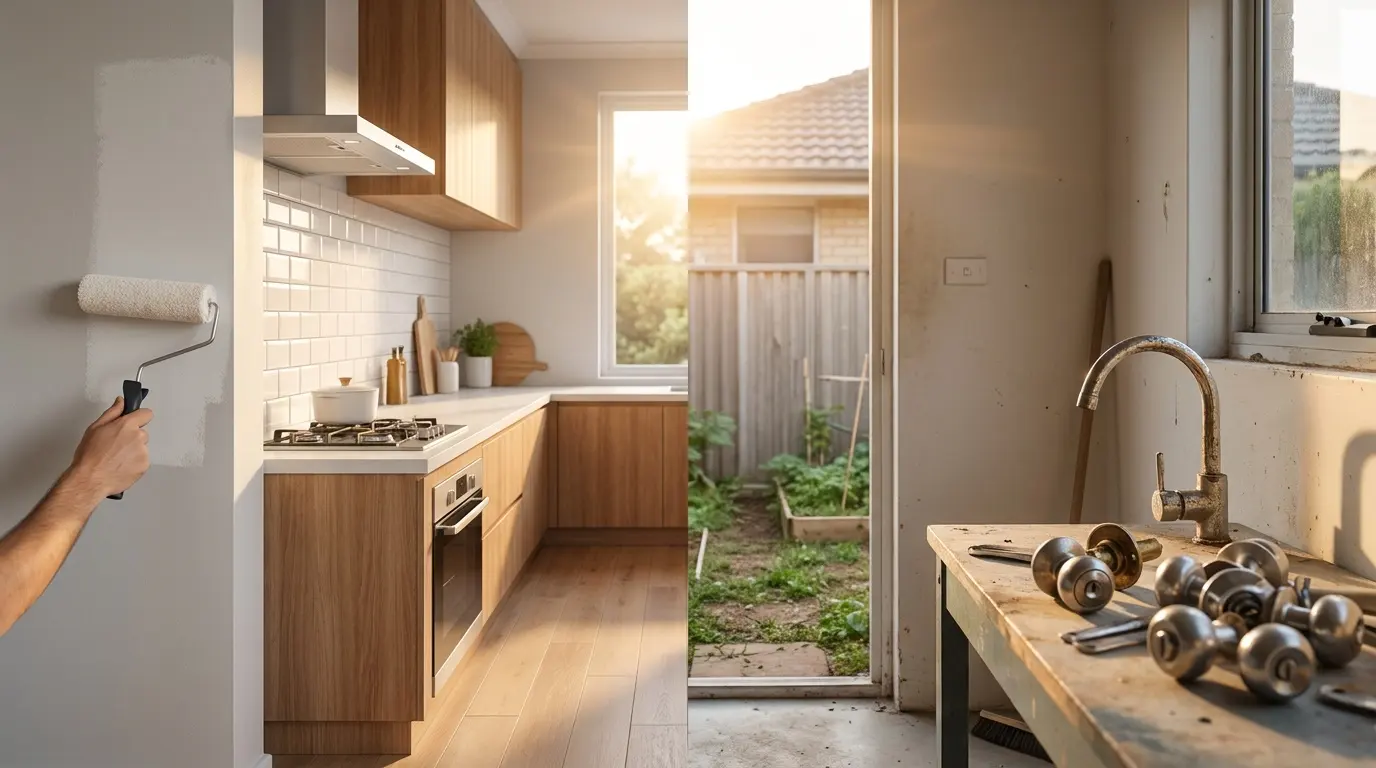

Determining the right list price for your home is one of the first steps on the home seller’s checklist (opens in a new tab), but it’s no small feat. A strategic approach is essential and requires understanding the nuances of the real estate market and being mindful of various factors influencing pricing decisions. From analyzing market trends to adjusting pricing based on feedback, each step plays a key role in achieving a successful sale. The art of pricing a home goes beyond mere numbers; it's about creating a desirable offer that resonates with potential buyers.
So, how do you price your home to sell? Let’s simplify things:
For informational purposes only. Always consult with a licensed real estate professional before proceeding with any real estate transaction.
Sell Your Home With The Young Team.
Maximize the value of your home with The Young Team. Schedule your consultation today and experience a hassle-free home selling process with the best real estate team in Ohio.
Get Started (opens in a new tab)
7 Tips for Pricing Your Home For Sale
- Avoid emotional pricing; rely on market data
- Real estate agents can provide more tailored strategies than online estimators
- Selling fast is paramount to getting the best price; old listings get less interest
- Over-pricing can make your home take longer to sell
- Under-pricing can make your home take longer to sell
- Strategic under-pricing in the right conditions can start a bidding war
- If you must adjust pricing, it’s better to make one big change than multiple small changes
Why Does Pricing Your Home Correctly Matter?
Properly pricing your home directly influences buyer interest and selling time. Whether you're selling to rent (opens in a new tab) or plan to buy another home after, setting the right price for your home can significantly impact the success of your sale. This is because a well-priced home attracts a larger pool of serious buyers—with more interested buyers, you have an increased likelihood that someone will bite and make an offer. If multiple buyers bite, you might even be able to get a bidding war to increase your selling price.
Why Selling Your Home Fast is Important
In short, if your home takes too long to sell, buyers will start expecting discounts. The assumption is that a home languishing on the market isn’t selling for a reason. Is there a hidden problem? Is it overpriced for what it is? Buyers will have a negative initial impression and enter the transaction suspiciously, affecting their willingness to meet your list price.
In addition, buyers looking to score deals often look for motivated sellers, and a home that’s been on the market for a while is a prime candidate for a motivated seller. If someone’s desperate to sell so they can move on with their life, they’re more likely to agree to price reductions just to close the transaction, increasing the selling costs (opens in a new tab).
How Over-Pricing Affects Your Home Sale
Think like a buyer: if you’re looking at two similar homes, are you more likely to ask for a showing of the higher-priced one or the lower-priced one? Pricing your home too high can deter potential buyers, prolonging the time your property sits on the market. Buyers that do show interest will usually make lowball offers if the market doesn’t support the high price.
Sellers may attempt this strategy to get more profit from the sale, thinking they can reduce the price later if necessary, but it usually doesn’t work out that way. A reduced price on an old listing won’t garner as much interest as a home that’s priced correctly as soon as it hits the market. The effect is even more pronounced when you make many small changes, as this takes longer to reach an appealing price than making one change upfront. This strategy might even result in the home selling for less than its original fair market value!
Not to mention, the majority of buyers require financing and will make their offer contingent on securing financing, and their lenders will require a professional appraisal. If your home is priced above the amount it appraises for, you’ll either have to reduce the price, hope the buyer can make up the difference, or let the deal fall through.
How Under-Pricing Affects Your Home Sale
Conversely, setting a price slightly below market value can create a sense of urgency among potential buyers. This strategy can lead to a bidding war, driving the final sale price above the initial asking price. It also increases the likelihood of attracting multiple offers quickly, reducing the time your home spends on the market. However, this has to be done very carefully.
Pricing a home too low may result in missed profit opportunities for the seller, and the nature of home selling is that the seller wants to make as much profit as possible. Buyers know this and will be suspicious if you set the price too far below market value—if there’s not something wrong, why would you do such a thing? This suspicion can cause them to pass your listing by.
If the market is not as competitive as anticipated, the strategy may backfire, leading to offers that are lower than what the home is truly worth. Additionally, while it seems counter-intuitive to many first-time home sellers (opens in a new tab), underpricing can make your home stay on the market longer if the price is low enough to make buyers pass up the listing.
It's essential to weigh these factors carefully and consult with a knowledgeable real estate agent to determine if an under-pricing strategy is right for your specific situation. While it can generate interest and potentially yield a higher final sale price, the approach must be executed with a thorough understanding of market conditions to avoid the pitfalls.
Review Comparable Properties
To effectively price your home for sale, start by reviewing recently sold comparable properties (“comps”) in your area. This is one of the primary factors in how realtors determine how to price a home. A licensed real estate agent can help you understand recent sales data (opens in a new tab) for homes similar to yours within a reasonable distance to determine a competitive price. They’ll also have access to brokerage-specific tools to help sift through the MLS to find the most relevant comps.
Consider factors like square footage, number of bedrooms and bathrooms, and special features when comparing properties. Ensure the comparables are in the same school district and have sold within the past few months for accuracy. Evaluate the condition of comparable homes to gauge how your home's condition may compare and impact pricing. By working with a real estate agent, you can access more detailed information on comparable properties for accurate pricing.
Browse the listing descriptions and see what the most relevant comps are advertising. Do all of them have updated kitchens or bathrooms? How about recently replaced roofs or HVAC systems? If multiple comps have highly desirable features that your home doesn’t, you’ll have to evaluate whether you can stand out another way or if you’ll have to adjust your pricing to compete.
Consider Market Conditions
How do current market conditions impact the pricing of your home for sale? When determining the price of your home, it is crucial to review the current market conditions, including factors like inventory levels, interest rates, and buyer demand.
These conditions can vary based on location and season, directly influencing the optimal pricing strategy for your property. For example, spring and summer are often the best time to sell a house (opens in a new tab) because of the school year’s impact on moving families. By analyzing recent sales data and trends in your area, you can better understand how market conditions may affect the value of your home.
Mortgage interest rates have a direct correlation with potential homebuyers’ willingness to enter the market (and, consequently, sellers’ willingness to sell, as many sellers are buying and selling at the same time (opens in a new tab)). High interest rates typically mean lower buyer demand, while falling rates can result in increasingly higher demand as waiting homebuyers decide to take the leap. Many buyers try to “time the market” based on interest rates.
Consulting with a real estate professional can provide valuable insights into current market conditions and help you devise an effective pricing strategy. Adapting your pricing approach based on these conditions is essential to attract more potential buyers and maximize your selling price. For instance, in a seller's market with low inventory and high demand, a riskier pricing strategy may pay off, and you might even receive cash offers (opens in a new tab). On the other hand, in a buyer's market with more inventory and less demand, you might need to accept compromises to stand out among the competition.
Should You Get an Online Home Value Estimate?
It’s tempting to skip the research, plug in some numbers, and slap your online estimate onto your listing. Zillow offers around a 2.35% margin of error, right? How far off could it be?
The 2.35% is actually the national median error margin for a Zestimate (opens in a new tab) getting within 20% of the final sales price of an actively listed home. On a national scale, only 77% of homes get within 5% of the final price. And at the national median home value, around $360,000, a more than one in five chance of potentially leaving $18,000+ on the table is not insignificant. If you haven't listed your home yet, the margin of error is much higher.
When it comes to pricing your home for sale, relying on a real estate agent offers distinct advantages over using an online value estimator. While online tools can provide a quick estimate, they often lack a nuanced understanding of local markets and the specific details of your property. A skilled agent, on the other hand, leverages their deep knowledge of the local area, recent comparable sales, and current market trends to arrive at a more accurate and strategic price.
Agents also consider factors that automated tools cannot, such as the condition of your home, unique features, and neighborhood dynamics. They are able to interpret market data in the context of what buyers are currently looking for and how your property fits into that picture. Moreover, an agent can adjust the pricing strategy based on the level of interest your home receives, ensuring it remains competitive and attractive to potential buyers.
In addition, a real estate agent will be able to offer you advice on what you can do to raise the value of your home, understanding your current financial situation and your personal goals for the sale. For example, will an outdated kitchen really need to be overhauled to attract the right buyers, or will a cheaper facelift do? If you have a limited selling budget, what can it best be spent on to get you the best return?
In summary, while online estimators can be a helpful starting point, a real estate agent brings a personalized, expert touch to the pricing process, which can ultimately lead to selling your home faster (opens in a new tab) and getting a better return on your investment.
Don't Price Based on Emotions
Pricing a home based on emotions can lead to overpricing and deter potential buyers from making offers. Emotional attachment to a property often clouds judgment, resulting in setting the price too high. This approach can prolong the time the property stays on the market, as buyers tend to avoid overpriced listings. Furthermore, overpricing due to sentimental reasons may necessitate multiple price reductions to attract serious buyers, negatively impacting the overall selling process.
When sellers let emotions dictate the listing price, they risk missing out on opportunities and receiving fewer offers. To ensure a successful sale, it’s essential to detach sentimental value from the pricing strategy. By relying on market data and comparable sales rather than personal attachment, sellers can set a competitive price that aligns with current market conditions. This approach attracts more potential buyers and increases the likelihood of a quicker sale.
While some sellers can overcome this risk on their own, many FSBO sellers (opens in a new tab) can fall prey to this pitfall without an objective outside opinion.
Consider a Professional Appraisal
Consider obtaining a professional appraisal (opens in a new tab) to gain an unbiased expert evaluation of your home's value. A professional appraiser will assess various factors such as location, property size, condition, and recent sales data to provide an accurate estimation of your home's worth. This evaluation can be instrumental in helping you set the right price that attracts potential buyers while aligning with the current market conditions. They can be especially helpful when there aren’t many local comps available.
Furthermore, lenders often require an appraisal to ensure that the property's value matches the loan amount being requested. By obtaining a pre-listing appraisal, you add credibility to your listing price and streamline the selling process by having a solid foundation for your pricing strategy.
Keep in mind that an accurate appraisal can prevent overpricing, which may deter buyers and cause trouble mid-transaction, or underpricing, which could lead to lost profit. Working with an appraiser can provide you with a realistic perspective on your home's value, guiding you toward a competitive and attractive listing price that resonates with potential buyers in the market.
Be Flexible After Listing
When selling a home, remaining flexible with pricing after listing is key to attracting more potential buyers and ensuring a timely sale. Consider adjusting the price based on market feedback to generate more interest in your property. Being open to making strategic price cuts, if necessary, can help increase the chances of a quicker sale. Flexibility in pricing is crucial as it can prevent your home from lingering on the market for an extended period. By enlisting your real estate agent's advice on adjusting the price to align with market conditions, you demonstrate a willingness to adapt to the dynamic nature of the real estate market.
Buyers are often savvy and will compare multiple listings, whenever possible, before making a decision. Being rigid with pricing can deter potential buyers, whereas showing flexibility can make your property more appealing. Adjusting the price when needed shows that you are responsive to market demands and signals to buyers that you are motivated to sell. Ultimately, being open to tweaking your pricing strategy post-listing can make a significant difference in attracting a broader range of buyers and increasing the likelihood of a successful sale.
For informational purposes only. Always consult with a licensed real estate professional before proceeding with any real estate transaction.
Accurately Pricing Your Home for Sale
Judging how to price your home for sale is a crucial step in the selling process. By conducting thorough research, considering market conditions, and staying flexible with pricing, you can attract serious buyers and maximize profit opportunities when selling your home (opens in a new tab).
Sell Your Home With Confidence.
Sell Your Home With The Young Team.
Ready to sell your home for top dollar? Let The Young Team handle it all. Contact us now to schedule a consultation and take the first step towards a stress-free home selling experience with the best real estate team in OH.