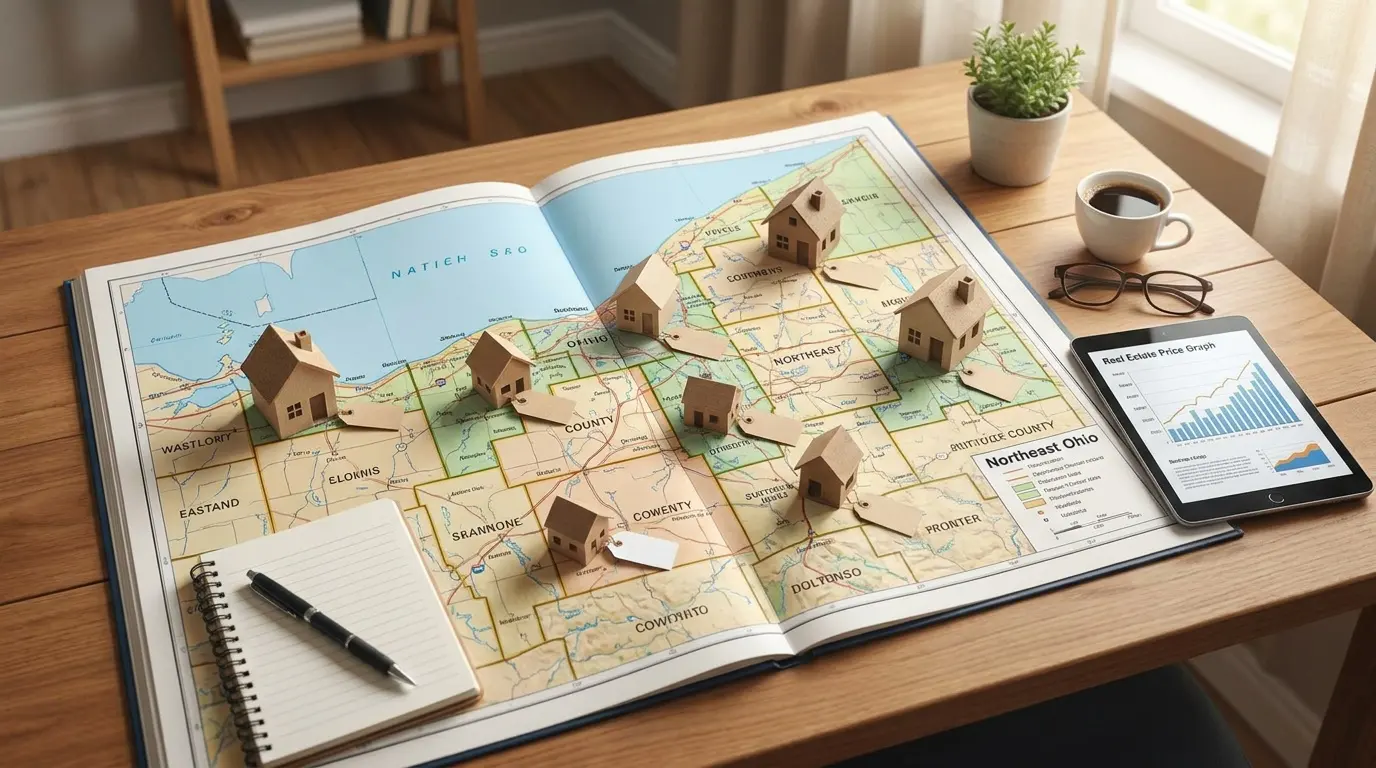

If you need to find out how much a house sold for, you have a few different options. Exploring various resources, such as real estate websites, and county records, can uncover the hidden details of a home's transaction history. Why would you need this information? Understanding a property's value can provide insights into the real estate market. This knowledge can be pivotal in making informed decisions about buying or selling a home (opens in a new tab), offering a glimpse into the intricate world of real estate transactions and market dynamics.
Find Your New Home With The Young Team.
Working with an agent takes the stress out of buying a home. Schedule your consultation today and experience a hassle-free home-buying process with the best real estate team in Ohio.
Get Started (opens in a new tab)
How to Find Out How Much a Home Sold For: 6 Quick Tips
- Search Real Estate Websites: Real estate websites can provide detailed information on recent sales
- Search the Address Online: Entering a property's address into a search engine, along with keywords like "sold price," can reveal recent sale prices from reputable sources.
- Check County Tax Assessor Records: County tax assessor records offer public access to property sale information, including sale prices.
- Conduct a Title Search: Title searches, available through county clerk offices or online databases, provide comprehensive information on a property's sale history.
- Ask a Real Estate Agent: Real estate agents have access to detailed and up-to-date information on sold prices through resources like the MLS.
- Why Knowing a Home's Sold Price is Helpful: Understanding a home's sold price aids in setting accurate listing prices, negotiating offers, and assessing affordability.
Search Real Estate Websites
When finding out how much a house sold for, one can easily turn to popular real estate websites. These platforms offer a wealth of information on recent sales, sold prices, property details, and price ranges. Users can simply input the location or address of the property they're interested in to access data on its sales history.
By utilizing these websites, individuals can gain insights into real estate market trends, compare prices in different neighborhoods, and estimate the value of properties. Real estate agents also frequently use these platforms to provide clients with accurate information on sold house prices.
Search the Address Online
To take even more leg work out of it, find out how much a house sold for using an online search engine and enter the property's address into the search bar. Add keywords like "sold price" or "recent sale" to narrow down the results.
Look for reputable real estate websites that provide detailed sales histories and home price data. Some local government websites may also offer property records that include the final sale price. By clicking through these results, one can typically find the information they need to determine how much a house sold for.
Check County Tax Assessor Records
People seeking detailed information on property sales can check county tax assessor records (opens in a new tab). They offer public information on property sales, including sale prices, making them a valuable resource for real estate research and market analysis.
The process for examining public records will vary by state. Here's how the process can work in Ohio:
- Identify the County: Determine the county where the property is taxed in Ohio (opens in a new tab).
- Visit the County Auditor's Website: Search for "[County Name] County Auditor" online to find the official website.
- Locate the Property Search Tool: Look for sections like "Property Search," "Real Estate Search," or "Tax Records" on the website.
- Enter Property Details: Use the search tool to input the property's address, owner's name, or parcel number.
- Review the Property Record: Access details such as sale prices, property tax assessments, property characteristics, and tax information related to the sale (opens in a new tab).
- Download or Print Records: Use available options on the website to download or print the records.
- Contact the County Auditor's Office: If needed, contact the office for assistance or visit in person if records are not available online.
- Check for Public Access Terminals: Some counties offer terminals at the county office for in-person searches.
It's important to note that smaller counties or those with older systems might not have complete online access. In such cases, a visit to the county office may be necessary.
Conduct a Title Search
Conducting a title search involves delving into public records to uncover detailed information on property transactions, including property history and past transactions.
The following are key points of title searches:
- Title searches provide sold information, including the sale price and the date of closing (opens in a new tab).
- These queries reveal the names of the buyer and seller involved in the property sale.
- Title searches are typically done through county clerk offices or online databases storing property records.
- These searches help in understanding the complete ownership history of a property.
- They uncover any liens or encumbrances that might impact the property's value.
Ask a Real Estate Agent
Seeking the expertise of a real estate agent is a valuable resource when searching how much a home sold for. Real estate agents have access to detailed information on sold prices, including the exact sale price and transaction specifics. This data-backed guidance is why all first-time homebuyers should have a real estate agent (opens in a new tab).
In addition to individual listings, agents can conduct a comparative market analysis to provide a broader understanding of the local market. They can provide insights into market trends, property values, and sale price factors. Real estate agents can offer accurate and up-to-date data on recent sales using resources like the MLS.
Consulting a real estate agent when selling (opens in a new tab) ensures transparency and reliability in obtaining precise information on what houses have sold for. Individuals can make informed decisions regarding property transactions by collaborating with a real estate professional.
Why Knowing a Home's Sold Price is Helpful
Understanding a home's sold price is vital for negotiating offers with comparable properties, setting accurate listing prices, and researching the affordability of different cities (opens in a new tab).
Additionally, tracking the growth rate of home values over time allows buyers and sellers to make informed decisions on real estate investments.
Negotiating Offers with Comps
Regularly checking local home sold prices can be incredibly beneficial when negotiating offers on a house as a seller (opens in a new tab). This provides a solid foundation for evaluating their fair market value and aids in formulating competitive offers. Here are some key points to consider when leveraging sold prices for negotiating offers:
- Benchmark for Fair Market Value: The sold price serves as a benchmark for determining the appropriate value of a property compared to similar homes in the area.
- Asking Price Alignment: Comparing comps with the sold price helps buyers evaluate if the seller's asking price aligns with recent sales data.
- Insight into Market Competitiveness: Knowledge of sold prices offers insights into the competitiveness of the real estate market, guiding negotiations.
- Asking Price Justification: Sellers can use sold prices to justify their asking price and showcase the value of their property to potential buyers.
- Empowering Informed Decisions: Armed with information on recent sold prices, both buyers and sellers can confidently navigate negotiations and make informed decisions.
Researching Affordability
Researching home values helps you set a home-buying budget (opens in a new tab) by providing a clear understanding of current market prices in your desired area. This knowledge allows buyers to identify what they can realistically afford, compare prices across different neighborhoods, and set realistic expectations regarding property size, features, and location. By knowing the value of homes, buyers can avoid overpaying and make financially sound decisions that align with their needs and goals.
Additionally, understanding home values aids in detailed budget planning, including saving for down payments, closing costs (opens in a new tab), and estimating mortgage rates. This research ensures that buyers choose a price range that maintains their financial comfort, avoiding the strain of overextending their budget. Ultimately, being informed about the real estate market empowers buyers to make decisions that support their long-term financial stability.
Researching Home Value Growth Rate
Understanding a home's sold price is vital for researching its appreciation rate as it offers valuable insights into how the property's worth has evolved. By knowing the historical performance of a property regarding its sold price, individuals can analyze the growth rate of home values and assess the return on investment potential.
Tracking sold prices enables a deeper understanding of real estate market trends, predicting future developments, and making informed decisions. This information is essential for investors looking to evaluate the profitability and stability of a real estate investment.
Analyzing the sold prices of homes provides a thorough view of the property's value changes over time, helping individuals gauge the risks associated with buying or selling properties and make sound financial choices based on solid data.
Use the Right Tools to Find the Sale Price of a Home
Whether you want to sell fast (opens in a new tab) or learn the best way to buy your first home (opens in a new tab), knowing how much a house sold for can provide valuable insights into the real estate market and help individuals make informed decisions. Individuals can gather information on past transactions and market trends by utilizing various sources, such as real estate websites, county tax assessor records, and real estate agents. This knowledge can ultimately guide individuals in making the best choices for their real estate investments.
Buy a Home With Confidence.
Partner With The Young Team.
From your first home to your forever home, let the Young Team handle it all. Contact us now to schedule a consultation and take the first step towards buying your dream house in Ohio.