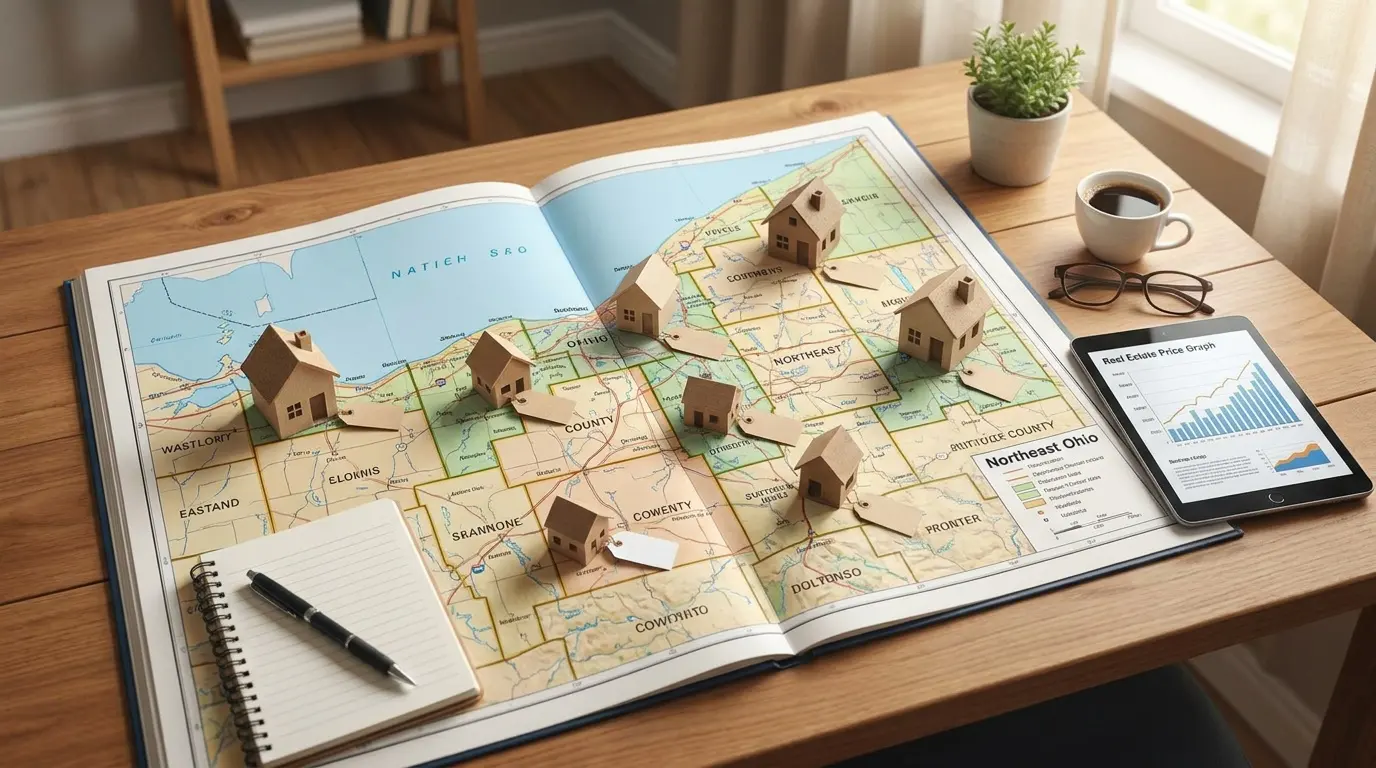
Buying an abandoned house is not as scary as it sounds. With some planning, you can turn that empty property into something valuable. First, you need to find these properties through some basic research. Check who owns them and if there are any legal issues. Take a good look at the property's condition before making any decisions. It’s also important to determine what a property is worth and whether you’ll make money from it.
Let’s take a look at the steps you’ll need to take when buying an abandoned home and discover how to navigate the process smoothly.
For informational purposes only. Always consult with a licensed real estate professional before proceeding with any real estate transaction.
Find Your New Home With The Young Team.
Working with an agent takes the stress out of buying a home. Schedule your consultation today and experience a hassle-free home-buying process with the best real estate team in Ohio.
Get Started (opens in a new tab)
Key Tips for Buying Abandoned Houses in Ohio
- Start with research: Use local tax records, government offices, and your own observations to find abandoned homes before they hit public listings.
- Verify ownership and legal status: Always check tax and title records to uncover liens, unpaid taxes, or foreclosure status before moving forward.
- Inspect thoroughly: Hire a professional inspector and get contractor estimates to fully understand the repair scope and avoid hidden disasters.
- Crunch the numbers: Use the 70% rule and detailed budgeting to determine if the deal will turn a profit after repairs and holding costs.
- Plan your financing (opens in a new tab): Be prepared with cash, a hard money loan, or a renovation loan—and always budget extra for unexpected costs.
Find Abandoned Properties That Others Miss
Want to find abandoned properties others don't know about? Start with your local government offices. The county tax assessor, auditor, and housing department can point you toward homes with unpaid taxes or violations. These are often abandoned.
In Ohio, many counties post tax-delinquent properties online. Try:
- Franklin County Auditor (Columbus)
- Cuyahoga County Sheriff's Sales (Cleveland)
- Lucas County Land Bank (Toledo)
Drive around neighborhoods yourself. Overgrown yards, boarded windows, and piled-up mail are dead giveaways. This hands-on approach often finds vacant properties before they hit any listing.
Checking online can be a great resource. Websites sometimes feature distressed properties. Special auction sites list foreclosures and tax sales. However, the best deals usually come from doing some legwork yourself.
Talk to mail carriers, utility workers, and neighbors. These people will typically know which houses are empty and which ones aren’t. Local real estate agents who specialize in fixer-uppers can also help you find hidden gems that aren't listed yet.
Check Ownership Before You Do Anything Else
Before getting excited about an empty house, figure out who owns it. This step can save you from a huge headache later.
Start by checking tax records at your Ohio county treasurer's or auditor's office. This tells you the property owner's name and if they owe property taxes. Back taxes often lead to good deals.
Do a title search or hire a title company to do one. This costs a few hundred dollars but reveals any liens, unpaid mortgages, or other claims against the property. Skipping this step is a BIG mistake (opens in a new tab)!
Is the property in foreclosure? In Ohio, you can check court or sheriff sale records to find the current status and contact the owning party (often a bank or law firm).
Talk to neighbors. They often know why the property was abandoned and any problems it might have. This street-level info can be more valuable than official records.
Know What You're Getting Into (Inspect Everything)
An abandoned house might look like a bargain, but hidden problems can eat up your profits fast. Never skip a professional inspection (opens in a new tab).
Hire a licensed home inspector to check the big stuff—foundation, roof, plumbing, and electrical systems. Water damage and mold are common in abandoned properties and can be expensive to fix.
Bring contractors with you to give repair estimates. Get these in writing. Add these costs to your budget before making an offer.
Check with your city or county building department about permits and code violations. Ohio cities like Cleveland and Columbus often require you to fix these before occupying the property.
Look into the property's history. Was there a flood? Did it have fire damage? These issues go beyond what you can see and can make renovation much more expensive.
Figure Out If You'll Make Money
Will this property be worth your time and money? Don't just guess—do the math.
Find out what similar fixed-up houses sell for (opens in a new tab) in the neighborhood. This is your target sale price. Then subtract all your costs—purchase price, repairs, carrying costs, and selling expenses. What's left is your potential profit.
Remember the 70% rule: don’t pay more than 70% of the after-repair value, minus repair costs. For example, if the fixed-up market value is $200,000 and repairs cost $40,000, don't pay more than $100,000 for the property ($200,000 × 70% - $40,000).
Think about how long the renovation will take. Every month means more mortgage payments, insurance, and taxes that eat into your profit.
Also, check if the neighborhood is getting better or worse. Are property values going up or down? Are new businesses opening or closing? These factors will affect both your returns and the time it takes to sell your home.
Get Your Money Ready
Abandoned properties can be difficult to finance. Regular banks typically don't touch them because of their condition. However, there are still options.
Cash is king when it comes to abandoned properties. If you can make an all-cash offer (opens in a new tab), you'll have an edge over other buyers, and you also may get a better price.
If you don't have enough cash, look into hard money loans. These have higher interest rates (opens in a new tab) (typically 8%–15%) but are easier to get for fixer-uppers. Just plan to refinance or sell quickly, as these loans are short-term.
Some renovation loans (opens in a new tab), like FHA 203k or Fannie Mae HomeStyle, can work. These let you borrow both the purchase price and repair costs in one loan.
Always add 20% extra to your repair budget for surprises. That perfect deal quickly becomes a money pit when you find hidden problems after purchase.
Make Your Move (The Buying Process in Ohio)
Are you ready to buy? The way you do it depends on the property situation.
If the owner is known, try contacting them directly. Many are willing to sell cheap (or even in exchange for covering the unpaid property taxes) to get rid of their problem property. Be respectful—they may have abandoned it due to financial hardship or family issues.
Understanding Ohio's Tax Sale System
Ohio is primarily a tax lien state, but some counties hold tax certificate sales, while others use tax foreclosure auctions. The process can vary, so contact your county treasurer or auditor to learn how it works in your area.
You can also buy from:
- Sheriff’s Sales (Foreclosures)
- County Land Banks (Like in Cuyahoga (opens in a new tab), Lucas, Mahoning counties)
- Forfeited Land Sales (Properties not sold in prior auctions)
Ohio Land Banks
Ohio’s land banks often sell abandoned properties for low prices—sometimes as low as $1—but require a plan and timeline for renovation. Start with:
Legal Note for Ohio Buyers
Ohio has unique legal tools like quiet title actions and receivership programs (especially in Cleveland) that help resolve title issues and take control of abandoned properties. It's highly recommended that you work with an Ohio real estate attorney when buying this type of property.
For informational purposes only. Always consult with a licensed real estate professional before proceeding with any real estate transaction.
Buying an Abandoned Property Can Be a Great Investment
Buying abandoned property isn't for everyone. It takes more work than a regular home purchase (opens in a new tab), but that extra effort can lead to serious profits. Start small with your first project. Learn the ropes before taking on something larger and more significant.
The perfect abandoned property might not be perfect-looking. The uglier it is, the better your chances for a good deal. Just make sure the problems are cosmetic, not structural.
With careful research, proper inspections, and realistic budgeting, that eyesore on the block could become your best investment yet—especially in Ohio, where local tools and programs are designed to help bring abandoned properties back to life.