
The frustrated cry of home sellers everywhere: “How long does it take to sell a house?”
The average home in the U.S. can take anywhere from 30 to 90 days. However, how long it takes to sell a home can vary widely depending on many factors. If your property is in a sought-after area or in great shape, you might get an offer the day you list. On the other hand, if it’s priced too high, you might go months without a bite. Understanding these dynamics can help first-time home sellers (opens in a new tab) set realistic expectations for their home sale timeline.
For informational purposes only. Always consult with a licensed real estate professional before proceeding with any real estate transaction.
Sell Your Home With The Young Team.
Maximize the value of your home with The Young Team. Schedule your consultation today and experience a hassle-free home selling process with the best real estate team in Ohio.
Get Started (opens in a new tab)
Quick Overview: How Long Will It Take to Sell?
- The average time to sell a house in Ohio (from listing to closing) is 50–72 days.
- Market conditions greatly influence sale duration; homes sell faster in a seller's market.
- Homes in desirable locations sell faster.
- Accurate pricing and good property condition are key to getting an offer quickly.
- Cash offers can shorten the selling timeline, allowing closings in as little as one to two weeks.
Average Days on the Market For a House in Ohio
How quickly can you expect to sell a house in Ohio (opens in a new tab)? On average, homes in Ohio take about 72 days to sell, which includes around 37 days on the market and an additional 35 days to close after accepting an offer.
When Should You Worry Why Your Home Isn't Selling?
Because market conditions play such a critical role in how fast your home sells, there's no universal number of days to use as a benchmark. A house that would sell in a week in a seller's market might take two months to sell in a buyer's market.
If you feel like your home should have sold by now, ask your real estate agent about the average days on market in your neighborhood. If you've exceeded that number, ask your agent for their professional opinion on why your home isn't selling (opens in a new tab).
Factors That Affect How Long It Takes to Sell a House
When it comes to selling your house, several key factors can impact how long the process takes.
The state of the market—whether it's a buyers' or seller's market—plays an essential role in how long it'll take to sell your home. Also important are the days your home spends on the market and how your asking price compares to similar homes.
Additionally, the condition of your property will considerably influence buyer interest and, ultimately, the speed of your sale.
Buyer's Market vs. Seller's Market
Understanding the dynamics of a buyer's market versus a seller's market is essential for anyone looking to sell a house. In a seller's market, where demand outstrips supply, homes usually sell faster, often within an average of 30 days.
In contrast, a buyer's market, marked by an oversupply of listings, can see homes linger on the market for 60 days or longer. Local market conditions play a significant role in determining how long your house will take to sell.
Market conditions can impact or supersede other home-selling factors. For example, in a hot seller's market, buyers are less likely to care that a home is overpriced or needs more repairs than they'd like as long as it's in the location they want. If the market's hot enough, even suboptimal properties can spark bidding wars (opens in a new tab).
Days on Market
The amount of time a home has been listed for sale, known as "days on market" (DOM), can affect buyer perception and influence how long it will take to sell. Homes with higher DOM may be seen as less desirable, and lead buyers to assume that something is wrong with the property.
Buyers tend to gain negotiating power as DOM increases, as the seller usually becomes more motivated to sell. (For example, if there's outside pressure such as an impending move, or the drain of utility bills and property taxes on a vacant home.) This can slow the home sale even further as buyers are more likely to spend more time negotiating on price, repairs, and other seller concessions.
Asking Price Compared to Similar Homes
Pricing your home correctly (opens in a new tab) in relation to similar properties can greatly influence how quickly it sells. Setting an asking price that aligns with the value of comparable homes is vital, as overpricing can lead to extended time on the market and necessitate price reductions. This can hurt the sale in more than just lost profit. Prospective buyers often respond positively when a seller reduces the price, but too many reductions can also signal desperation and discourage offers.
Underpricing could net you a faster sale, but it's risky. Serious buyers (and their agents) will already know what homes are worth on the current market, and if you undercut the market price by too much, they'll become suspicious.
A Comparative Market Analysis (opens in a new tab) (CMA) helps you understand appropriate pricing based on recent sales of similar homes, ultimately impacting the speed of your sale. A good listing agent will help you accurately balance profit vs. buyer demand to help you sell fast and for the best possible price.
When your home is priced competitively compared to similar listings, you're likely to attract more buyer interest—particularly from serious buyers. This increased interest can lead to faster offers and potentially higher sale prices.
Condition of the Home
The condition of your home plays an essential role in how quickly it sells, often making or breaking potential buyer interest. A well-maintained property tends to attract buyers faster than those requiring significant home repairs or updates. While there are buyers who specifically search for fixer-uppers, the vast majority prefer the convenience of a turnkey, move-in-ready home.
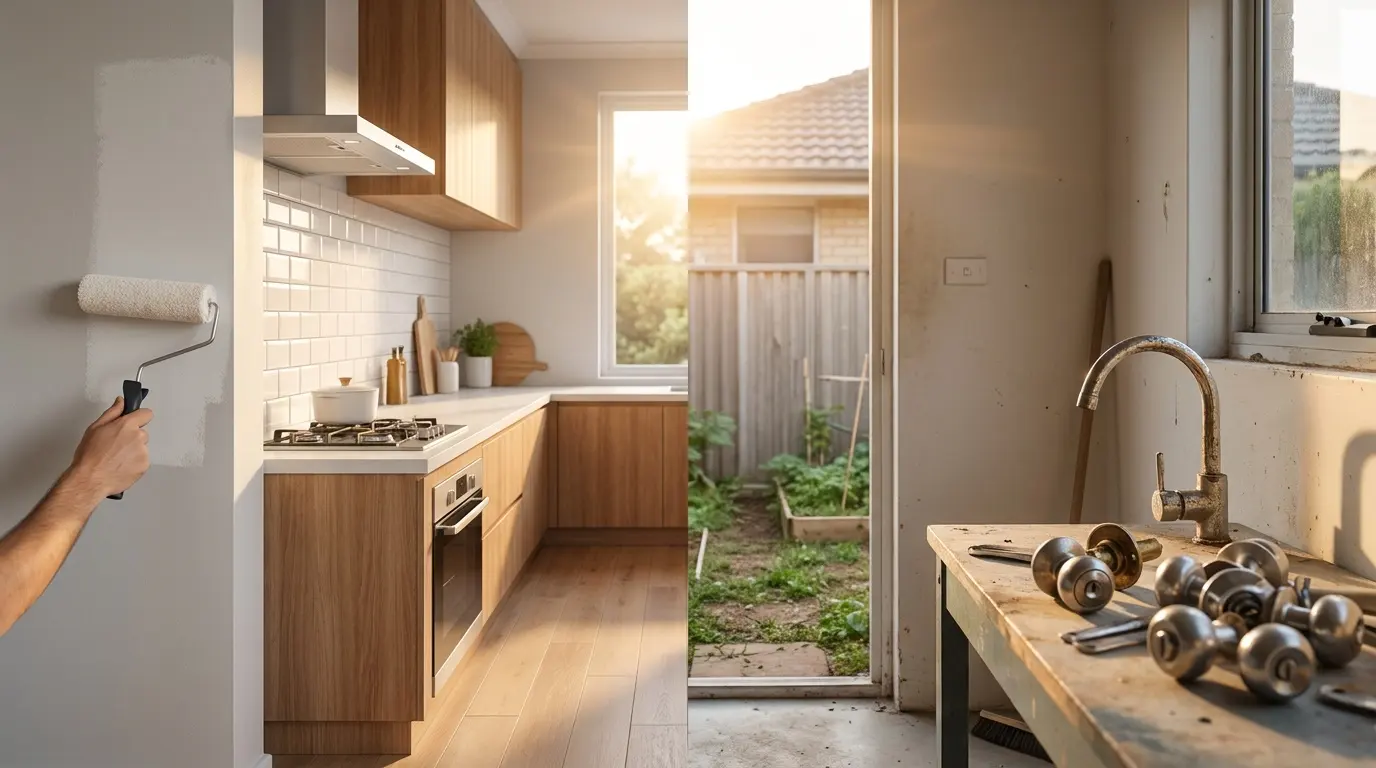
If your home is in disrepair, it can negatively impact the speed of your sale, as many buyers shy away from properties needing extensive investment. To enhance buyer interest and potentially reduce your time on the market, consider making simple repairs and upgrades. Fixing leaky faucets, repainting in neutral colors, or addressing minor issues can make a significant difference and have a high return on investment.
Additionally, homes that undergo pre-listing home inspections (opens in a new tab) often sell more quickly since they provide buyers with confidence regarding the condition of the home.
Location of the Home
All real estate is local. Even within the same city, homes in one neighborhood may sell faster or slower than another. Locations near a busy highway (opens in a new tab) are generally not favored; locations near amenities usually are. Some neighborhoods have listings that come up once in a blue moon and get snapped up instantly; others have a glut that creates a localized buyer's market. If too many houses are selling at once in a particular neighborhood, savvy buyers might get suspicious that there's a cause.
This is one reason why sellers should take note of their home's school district, even if they don't have or anticipate having children themselves. Buyers who do will often research local school districts and buy in one area over another to be assigned a particular district.
Time of Year
The time of year plays a significant role in how quickly a home sells due to shifting market conditions and buyer behavior. In spring and early summer, the real estate market tends to heat up, as more buyers are actively searching for homes, making it easier to find potential offers. This is often because families prefer to move during these months, aiming to settle before the new school year starts.
Warmer weather also makes house hunting more convenient, and the longer daylight hours provide better opportunities for open houses and viewings. Late spring and summer are often regarded as the best time of year to sell a house (opens in a new tab).
In contrast, the fall and winter months tend to see fewer buyers, as holidays, weather challenges, and school schedules slow down the real estate market. While homes can still sell during these months, it might take longer to find interested buyers, and sellers may need to adjust their pricing or expectations. Understanding these seasonal fluctuations helps sellers time their listings for maximum exposure and faster results.
How to Sell a Home Faster
If you want to sell your home faster (opens in a new tab), working with an experienced agent can make a significant difference in traversing the market. Creating an engaging listing, preparing your house for showings, and considering cash offers or selling as-is can also help attract buyers quickly.
Work With an Experienced Agent
Steering through the complexities of selling a home can be intimidating, but choosing the right listing agent (opens in a new tab) can make all the difference. Top real estate agents understand the local market intricacies, which allows them to create an effective marketing strategy. They often sell homes faster than the average days on market by utilizing their networks and multiple listing services (MLS) to maximize visibility.
One of the first steps an agent will take is to provide you with a market analysis. This helps set the right price for your home, ensuring you avoid overpricing that can lead to extended market time.
An experienced agent also streamlines the selling process by managing negotiations and paperwork, saving you valuable time and reducing stress (opens in a new tab). Additionally, reputable agents often offer professional staging and photography services, enhancing your property's appeal and attractiveness to potential buyers. Their expertise can help you attract higher offers and close deals more quickly.
Listing agents typically sell faster and for better prices than FSBO sellers (opens in a new tab) thanks to their preexisting market knowledge, marketing expertise, and higher availability to manage marketing, showings, and other aspects of the selling process.
Create an Engaging Listing
Creating an engaging listing is crucial to capturing buyer interest and selling your home faster. Start by using professional images, as listings featuring high-quality photos tend to attract more potential buyers.
To make your listing stand out from hundreds of other listings, consider methods like drone photography to capture your home's exterior from a better angle. If you can, put together a virtual tour or video walkthrough. The in-depth detail helps hook homebuyers browsing from their couches into scheduling in-person showings.
Make sure that your listing description highlights the unique features of your home, drawing attention to what makes it special. A well-crafted description can greatly enhance visibility and appeal.
Avoid dry lists of facts and real estate jargon—that will be listed elsewhere on the page. Use your limited description space to write something compelling and make your home stand out.
Prepare the House For Showings
Preparing your house for showings (opens in a new tab) is crucial to attracting potential buyers and selling your home faster. Start by decluttering and repainting rooms in neutral colors; this helps buyers envision their own style in your space. Enhancing curb appeal is equally important, so consider landscaping and performing necessary exterior maintenance to create a welcoming first impression.
Staging frequently helps homes sell faster. It also attracts higher offers! Because home staging (opens in a new tab) helps buyers envision themselves in the space, it helps create the all-important emotional connection that makes a buyer decide on one home over another.
Try Cash Offers or Selling As-Is
If you're looking to sell your home quickly, consider cash offers or selling as-is.
Cash offers (opens in a new tab) can greatly expedite the selling process, allowing transactions to close in as little as two weeks. It also puts the transaction on your schedule, rather than waiting on the market. Many of these buyers can make an offer in as little as 24 hours, which you're free to accept or not.
When you sell your house as-is (opens in a new tab), your property may appeal to cash buyers such as investors and flippers, who often seek homes they can renovate. Cutting out the financing step can significantly speed up closing. At the very least, making it clear that you're selling as-is helps reduce negotiating time and cuts out time spent on pre-sale repairs and renovations.
For informational purposes only. Always consult with a licensed real estate professional before proceeding with any real estate transaction.
Sell Your Ohio Home with Confidence
In Ohio, as with everywhere, selling a house is influenced by various factors like market conditions and property pricing. To expedite the process, price competitively, prepare your home well for showings, and collaborate with an experienced real estate agent. By understanding what affects the speed of a home sale, you can navigate the home-selling process more effectively and potentially reduce the time your property spends on the market.
Sell Your Home With Confidence.
Sell Your Home With The Young Team.
Ready to sell your home for top dollar? Let The Young Team handle it all. Contact us now to schedule a consultation and take the first step towards a stress-free home selling experience with the best real estate team in OH.