
A well-executed house showing can make or break a potential sale. From setting the stage to following up, each detail plays an essential role in engaging buyers' interest and selling your home fast (opens in a new tab). However, there's more to it than meets the eye. Understanding buyer behavior and mastering the art of showcasing a property can impact the outcome of a showing. So, what are the secrets to a successful house showing?
For informational purposes only. Always consult with a licensed real estate professional before proceeding with any real estate transaction.
Sell Your Home With The Young Team.
Maximize the value of your home with The Young Team. Schedule your consultation today and experience a hassle-free home selling process with the best real estate team in Ohio.
Get Started (opens in a new tab)
5 House Showing Tips for Sellers
- Stage the home to highlight its best features and create a welcoming atmosphere.
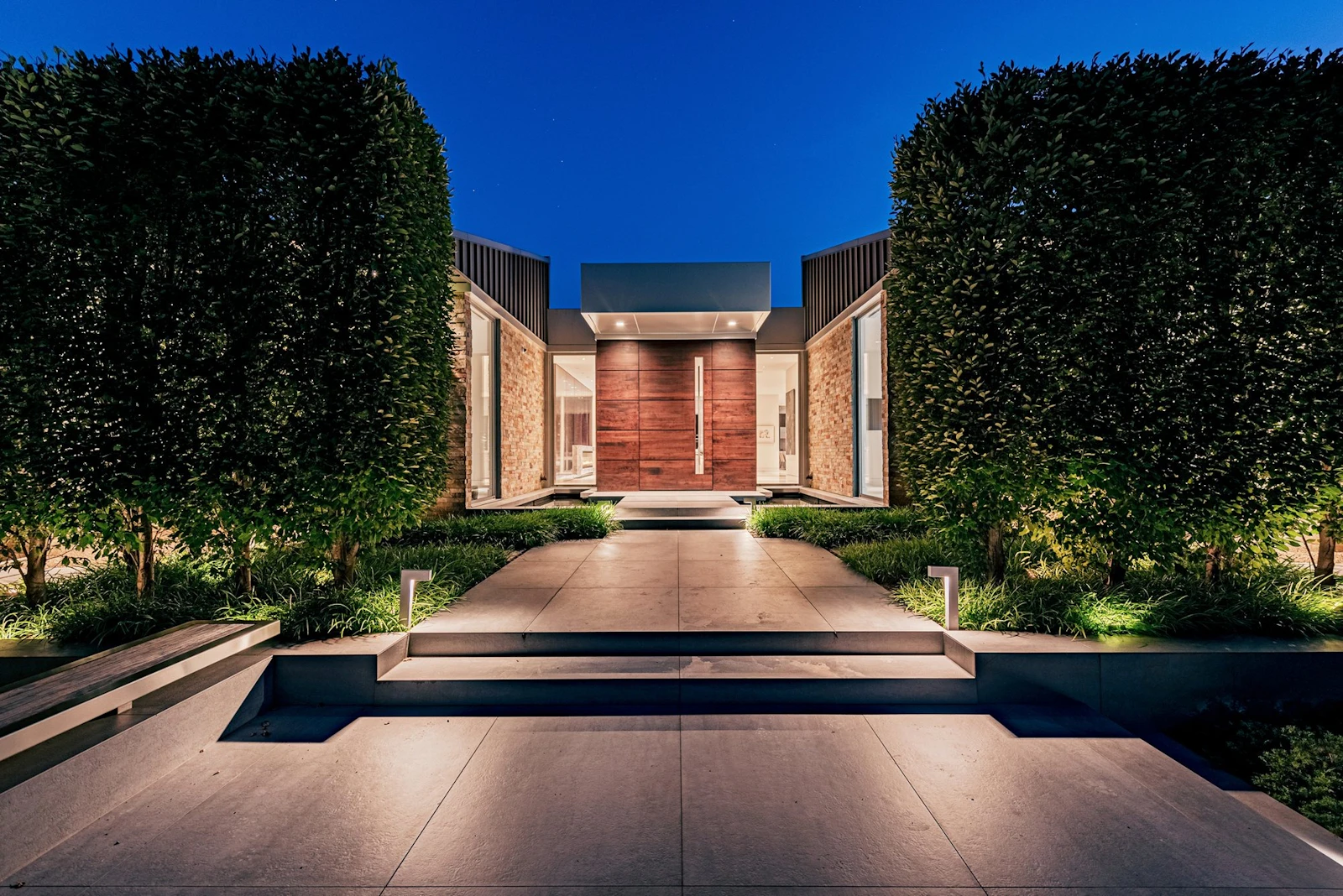
- Enhance curb appeal for a lasting first impression.
- Maintain cleanliness, good lighting, and optimal temperature during showings.
- Remove personal items and pets for a neutral environment.
- Don't stick around during the showing.
What Is a House Showing?
A house showing is a scheduled event where a potential buyer visits a property to assess its features and condition. Sellers use this opportunity to showcase their home's highlights and present it in the best possible light. It differs from an open house, which is typically a broader invitation for multiple visitors to tour the property simultaneously.
House Showing vs. Open House
House showings and open houses are both essential tools in selling a home, but they serve different purposes. House showings are private, scheduled appointments where individual buyers or small groups tour the home. These showings allow buyers to ask specific questions and take their time exploring the property.
Open houses are public events where multiple potential buyers can visit the home at the same time, often without prior scheduling. They can generate a lot of interest quickly and create a sense of urgency among buyers, potentially leading to multiple offers (opens in a new tab), but they may lack the personal touch and focused attention of private showings. Additionally, buyers who aren't serious about purchasing the home may distract from serious buyers.
Tips for Showing a House
When preparing for a house showing, sellers can benefit from key tips to attract potential buyers and create a welcoming and appealing environment.
Stage Your Home
To effectively stage your home (opens in a new tab) for a showing, sellers should focus on the following factors:
- Decluttering: Remove personal items, excess furniture, and unnecessary decor to create a spacious and inviting appearance. For example, removing half the clothing from closets makes the closets look bigger.
- Depersonalizing: Take down family photos and personal mementos to allow buyers to envision themselves living in the space. Opt for neutral colors and decor to appeal to the broadest possible audience.
- Highlighting Key Features: Showcase unique selling points such as a fireplace, high ceilings, or a beautiful view to draw attention and create interest.
Professional staging can cost several hundred or even thousand dollars, but it's an investment that can raise your final sale price. Consider it one of the costs of selling a house (opens in a new tab).
Invest in Curb Appeal
Curb appeal can notably impact a home's value, with potential value increases of up to 7% (opens in a new tab). Investing in landscaping, such as planting fresh flowers and maintaining trimmed bushes, can enhance the visual appeal. A well-kept exterior attracts more buyers and creates a positive first impression. If the exterior isn't maintained, buyers may decide to move on before entering the home.
This is why spring and summer are often the best time to sell a home (opens in a new tab)—your yard is green, the flowers are in bloom, and the trees are thriving. If you have to sell in winter, you can still take advantage of the season's liveliness by having professional real estate photos taken earlier in the year, called "green photography."
Repainting the front door and updating house numbers are simple yet effective ways to improve the overall look of the home. Additionally, ensuring a clean driveway and a well-maintained lawn can further enhance curb appeal. These small touches can make a big difference in how the property is perceived by potential buyers, increasing the likelihood of a successful showing.
Remove Pets
Removing pets from the home will avoid distractions and potential allergies for buyers. When preparing for showings, sellers should take the following steps regarding pets:
- Consider temporarily relocating pets to a friend's house, pet daycare, or a secure area in the yard during showings. Don't close off a room to potential buyers.
- If the pet cannot be relocated, secure them in a crate and communicate with buyers about the pet.
- Guarantee pet areas are clean, odor-free, and well-maintained.
- Keep pet toys, beds, bowls, and other accessories out of sight.
Turn the Lights On
Well-lit rooms enhance the appeal of a property and create a welcoming ambiance. To capitalize on this, sellers should turn on all lights and open blinds to maximize natural light, which helps illuminate the interior and highlight the home's features. Natural light not only adds to the aesthetic appeal but also fosters a warm and inviting atmosphere.
Keep the Temperature Comfortable
To maintain a welcoming atmosphere for potential buyers during a house showing, sellers should prioritize keeping the indoor temperature comfortable. Ensuring the space isn't too hot or too cold can greatly impact the overall impression visitors have of the property.
Here are some tips to achieve a comfortable temperature:
- Proper Ventilation: Keep the air fresh and inviting by ensuring good airflow throughout the home.
- Ceiling Fans: Utilize ceiling fans to help regulate the temperature and create a pleasant ambiance.
- Programmable Thermostats: Consider installing programmable thermostats to automatically adjust the temperature based on the time of day or specific preferences. Not only will this help regulate the temperature if you're away, but smart technology can also be a selling point.
Be Mindful of Scents
To create a welcoming environment, sellers should focus on maintaining a neutral and fresh scent in the home. Strong odors from cooking, candles, or air fresheners can be overwhelming and distracting. While leaving pleasant scents like baking cookies is sometimes recommended, it can often be a distraction.
Instead, sellers should keep the house smelling neutral to appeal to a broader range of buyers. Avoid strong-scented cleaners or anything that might seem like an attempt to cover up odors. Opt for light, clean scents or simply air out the home to create a pleasant atmosphere that keeps the focus on the house itself.
Leave During the Showing
First-time home sellers (opens in a new tab) often want to hover, eager to talk about their home or simply uneasy about having strangers in the home while they're not there. However, this is a mistake. It's best for sellers to avoid staying during a showing, as buyers need the freedom to explore and imagine themselves living there without feeling pressured.
When the seller is present, buyers may hesitate to share their thoughts or ask questions, so allowing your real estate agent to manage the showing creates a more relaxed environment that fosters a connection with the property.
The agent is responsible for ensuring the safety of your property and belongings. Make sure they know where to keep buyers away from if you're concerned.
Be Flexible
Flexibility in scheduling real estate showings is essential for sellers looking to attract a wide range of potential buyers. Accommodating different times for showings can increase the chances of a quicker sale and helps sellers appeal to more buyers.
This can include accommodating awkward times, such as weekday evening showings. While weekends are by far the most popular days for showings, some buyers have irregular schedules and will greatly appreciate a seller who can make it work.
Here are some tips to help sellers with flexibility:
- Offer a variety of showing times throughout the week to cater to different schedules.
- Be open to last-minute showing requests whenever possible to maximize exposure.
- Communicate with your real estate agent to coordinate showing times efficiently and guarantee prompt responses to inquiries.
- It's okay to turn down a showing time request if it's unreasonable, such as late in the evening while the seller's children are asleep.
Being flexible can be more difficult if you're selling a home with a tenant (opens in a new tab), as Ohio law requires reasonable notice to be given before showings.
Don't Rush Buyers
Allowing buyers to explore a property at their own pace can lead to a more positive impression, as it gives them the chance to fully appreciate the space and envision themselves living there. Encouraging questions and providing room for contemplation can make buyers feel more comfortable and engaged, potentially increasing the likelihood of a successful sale.
If you return home after a showing's scheduled end and see the buyer's car still present, it's a good sign of interest—consider giving them more time by finding somewhere else to be. An unhurried showing can help buyers form a stronger connection with the property.
Showing Your House While Living In It
When living in a house while trying to sell it, maintaining a balance between everyday life and keeping the property ready for showings can be challenging. Sellers need to stay organized and proactive in tidying up, decluttering, and ensuring the home is always presentable.
Keeping Your Home Showing-Ready
Develop a daily routine for tidying up, such as making beds, wiping down surfaces, and ensuring that each room is organized. Consider packing away seasonal or non-essential items to reduce clutter further. It's vital to keep cleaning as you go—don't wait for dishes to pile up, or you could be stuck without enough time to wash them before a surprise showing. It's also helpful to have a plan for quick clean-ups in case of last-minute showings, like having a designated spot to stash items temporarily.
Last-Minute Home Showing Checklist
Creating a last-minute showing checklist (opens in a new tab) guarantees the property is always ready for potential buyers. This checklist should include tasks like quick cleaning and decluttering before a sudden showing request, and everyone in the household should be familiar with the list. Having a designated spot for personal items allows for quick hiding during showings.
Keep a basket for quickly sweeping up clutter and take it with you out of the house. Having a bag filled with anything you'll need while you're out ready to go by the door can also help make last-minute showings less stressful (opens in a new tab).
Prepare for Moving Early
Starting to move your belongings out of the house early can greatly enhance the appeal of your home while you're still living in it. By decluttering and minimizing personal items, you create a more spacious and neutral environment that allows potential buyers to envision themselves in the space. It also reduces the stress of last-minute packing to move (opens in a new tab) and ensures that your home is always ready for showings.
How Long Does a House Showing Take?
House showings can take anywhere from 15 minutes to one hour. It's important to give potential buyers enough time to explore the property's layout, features, and overall feel. Sellers are encouraged to be away during the showing so buyers can better envision themselves in the space.
By trusting the real estate agent to manage the showing and respecting the duration, sellers can improve the chances of a successful sale. After the showing, the agent usually informs the sellers once the buyers have left the property.
Signs a House Showing Went Well
Sellers can gauge the success of a house showing by noticing several key indicators. By recognizing these signals, sellers can feel more confident about the showing's outcome and potential for a successful sale.
Extended Viewing Time & Repeat Visits
Extended viewing time and repeated visits are strong indicators of a buyer's interest in the property. When buyers spend more time exploring the house and return for additional visits (often showing the house to family and friends for more opinions), it shows they're seriously considering the property.
Engagement & Questions
A key indicator of a successful showing is the level of engagement and questions from prospective buyers. Positive signs include detailed inquiries about the property's features, enthusiasm about potential renovations, and discussions on logistics like the seller's timeline or utility costs, which suggest genuine interest. Silent homebuyers are disinterested homebuyers who leave the house quickly.
You can also gauge interest based on the types of questions being asked. The deeper the buyers go into the nitty-gritty details, the more interested they are.
Immediate Follow-Up
After a real estate showing, immediate follow-up actions can provide valuable insights into the level of interest potential buyers have in the property. Following up promptly can give sellers a good indication of how well the showing went and the buyer's level of engagement.
A disinterested buyer likely won't follow up at all. If a buyer reaches out after the initial showing, whether it's to inquire about a second showing or asking a follow-up question they didn't initially think about, it's a good sign of interest.
Positive Verbal Feedback & Body Language
When potential buyers praise the home's features, it signals a positive impression. Excitement and envisioning themselves living in the house also suggest strong engagement and interest. Detailed inquiries about the neighborhood, schools, or amenities further demonstrate serious consideration of the property.
While sellers shouldn't be present during showings, the listing agent (opens in a new tab) should gather feedback from the buyer's agent. Analyzing this feedback helps sellers assess the effectiveness of the showing and identify areas for improvement.
Don't be shy about getting feedback about why your house isn't selling (opens in a new tab). If multiple buyers mention the same issue, addressing it before the next showing can enhance the property's appeal.
How Many Showings Does It Take to Sell a House?
On average, it typically takes between 10 to 25 showings for a house to sell. These numbers can be influenced by factors such as market conditions, property location, and marketing strategy. Homes priced competitively (opens in a new tab) have a higher likelihood of selling with fewer showings, while properties in sought-after areas may garner more interest and lead to a quicker sale.
Quality marketing plays a pivotal role in attracting the right buyers and showcasing the property's best features, which can ultimately help decrease the overall number of showings required to secure a sale. By understanding these dynamics and leveraging them to their advantage, sellers can streamline the selling process and increase the chances of a sale.
For informational purposes only. Always consult with a licensed real estate professional before proceeding with any real estate transaction.
Follow These Tips for a Successful House Showing
By implementing tips for effectively showcasing the house, maintaining a showing-ready home, and optimizing the overall presentation, sellers can increase their chances of selling their home (opens in a new tab) for the best price. Attention to detail and creating a welcoming atmosphere are essential to making the most of each showing opportunity.
Sell Your Home With Confidence.
Sell Your Home With The Young Team.
Ready to sell your home for top dollar? Let The Young Team handle it all. Contact us now to schedule a consultation and take the first step towards a stress-free home selling experience with the best real estate team in OH.