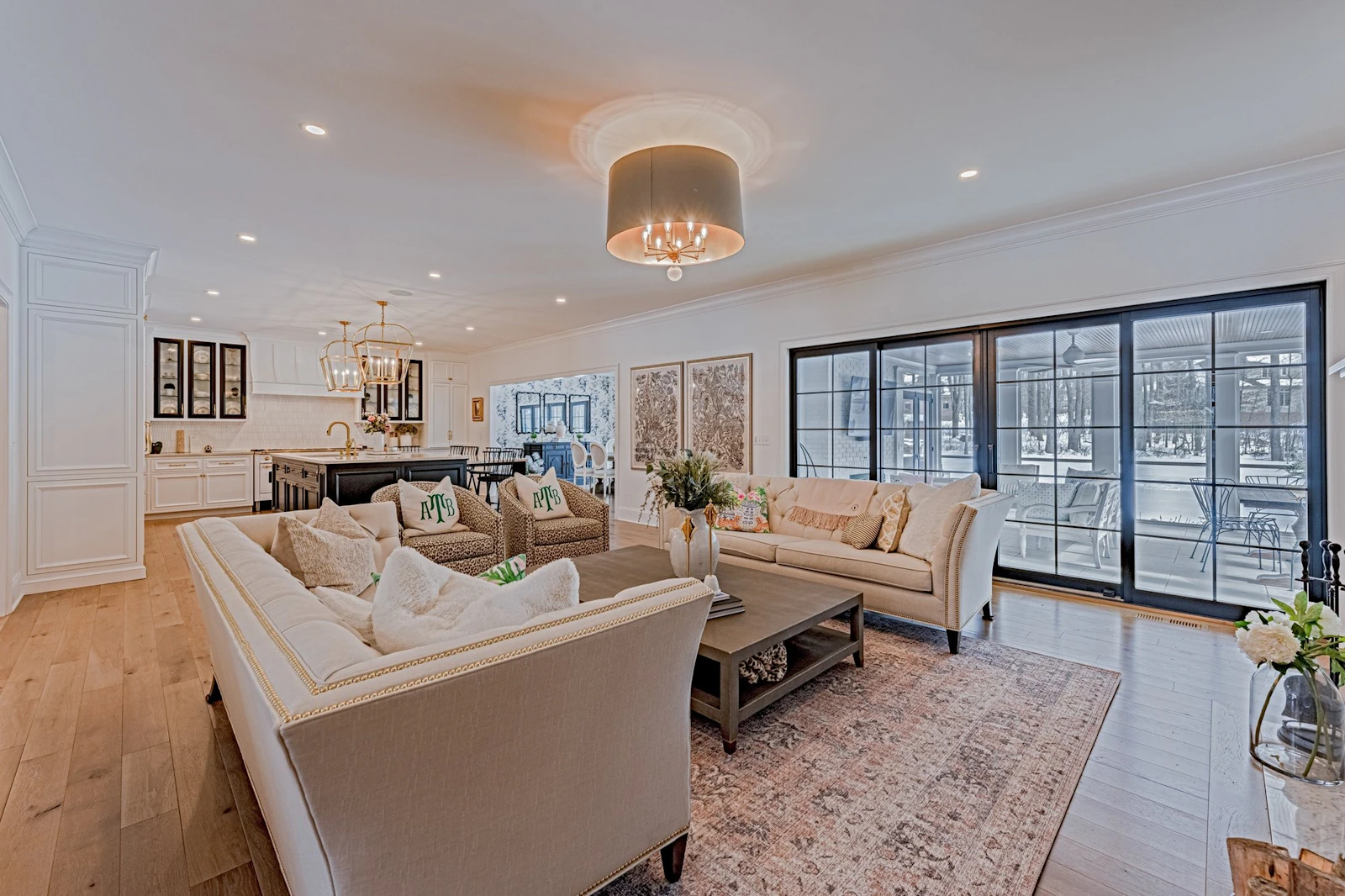
Maybe you spotted an old fixer-upper house with "great bones" but terrible taste. Or perhaps you found the perfect location, but the house needs serious repair work. A renovation loan might be your ticket to turning that diamond in the rough into your ideal home.
For informational purposes only. Always consult with a licensed mortgage or home loan professional before proceeding with any real estate transaction.
Find Your New Home With The Young Team.
Working with an agent takes the stress out of buying a home. Schedule your consultation today and experience a hassle-free home-buying process with the best real estate team in Ohio.
Get Started (opens in a new tab)
Quick Facts About Fixer-Upper Loans
- Potential loan options include the FHA 203(k), Fannie Mae HomeStyle, Freddie Mac CHOICERenovation, USDA Renovation Loan, and VA Renovation Loan. These combine the home purchase and the renovation amount
- Loan amount is usually based on 75% of post-renovation value
- Loan caps vary by loan type and region
- Loans may have restrictions on what renovations you can use the money for
- Alternative ways to finance home renovation include cash-out refinance, HELOC, and home equity loan
Why These Loans Matter (And How They'll Save You Money)
Buying a fixer-upper without the right loan is like renovating without a hammer. You need the right tool for the job!
Renovation loans combine your home purchase and renovation costs into one simple loan. Instead of juggling multiple loans or maxing out credit cards, you get:
- One loan program
- One closing (opens in a new tab)
- One monthly payment
The best part is that the loan amount is based on the home's value after renovations, not just its current cost. That means you can borrow more than the current value of that ugly duckling home.
Looking at fixer-upper homes with a lower purchase price than move-in-ready properties? These loans help you turn that price advantage into equity while creating your perfect primary residence.
Loan Types That Work for Fixer-Uppers
Not all mortgage loans can handle major renovations. Here are your best options:
FHA 203(k) Loan: Perfect for First-Time Buyers
If you have a lower credit score (opens in a new tab) but big renovation dreams, FHA loans like the 203(k) might be your best friend.
- Down payment as low as 3.5%
- Credit scores as low as 580 in many cases
- Can finance almost any type of repair or renovation
- Maximum loan amounts vary by county
- Can cover structural repairs that other loans won't touch
The catch is that you'll most likely have to pay private mortgage insurance for the life of the loan.
Fannie Mae HomeStyle Renovation: More Flexibility, Higher Limits
If you want higher loan limits and lower fees, the Fannie Mae HomeStyle Renovation loan offers:
- Down payment as low as 5%
- Higher loan limits
- Can finance luxury upgrades (pools, outdoor kitchens)
- Perfect for turning investment properties into rental income
You'll need a better credit score (usually 620+), more cash for the down payment (opens in a new tab), and pay a mortgage insurance fee, but you'll have more renovation options. The Fannie Mae HomeStyle Renovation program is ideal for buyers wanting higher-end finishes in their fixer-upper projects.
Freddie Mac CHOICERenovation: Similar to HomeStyle
This loan works almost the same as the Fannie Mae option:
- Down payment as low as 5%
- Credit score requirements typically 620+
- Can include renovations that protect from natural disasters
Freddie Mac also offers CHOICEReno eXPress, a more streamlined version for smaller renovation budgets. These loans cap out at 10% of post-renovation value in most areas.
USDA Renovation Loan: For Rural Properties
If you're looking at fixer-upper homes in rural areas, the USDA renovation loan might be perfect:
- $0 down payment (opens in a new tab) for qualified buyers
- Lower mortgage insurance costs than FHA
- Must be in USDA-eligible rural areas
- Income limits apply
- Can fund both minor repairs and major renovations
There are two versions of this loan: limited and full. The limited loan has a cap of $35,000, and the full loan has no cap but does require a HUD consultant.
VA Renovation Loan: For Veterans and Service Members
If you’re a veteran or an active service member, the VA renovation loan offers unique benefits:
- $0 down payment option
- No monthly mortgage insurance
- Competitive interest rates
- Can be used for fixer-upper homes needing work
- Covers repair costs for qualifying veterans
These loans do require that the loan improves livability, use, and safety (opens in a new tab), not just aesthetics.
How Much Can You Really Borrow?
The magic formula works like this:
- Start with the current property value (or purchase price, whichever is less)
- Add the cost of renovations (or use the future value after renovations, whichever is less)
- Multiply the result by 0.75
If your final number is less than your area’s loan maximum, you’re golden.
Maximum loan amounts depend on loan type and your location:
- FHA 203(k): Up to $472,030 in most areas
- Fannie Mae HomeStyle: Up to $726,200 in most areas
- Freddie Mac CHOICERenovation: Up to $726,200 in most areas
- VA renovation loan: Varies by county
- USDA renovation loan: Varies by property location
Most loans limit the renovation portion to 75% of the future value. Make sure your contractor's estimate fits within these limits!
Understanding Renovation Costs
Your renovation costs can include virtually anything that permanently improves the home:
- Structural repairs to fix foundation issues
- New roofing or siding
- Kitchen and bathroom remodels
- Minor repairs like painting and flooring
- Energy efficiency upgrades
- Room additions or garage conversions
Loans typically require improvements to be permanently attached to the home. Furniture and removable appliances are usually not covered, but built-ins and fixtures are.
Down Payment Requirements (Yes, You'll Need Some Cash)
How much money you’ll need upfront depends on the loan:
- FHA 203(k): As little as 3.5% down
- Fannie Mae HomeStyle: 5% minimum down
- Freddie Mac CHOICERenovation: 5% minimum down
- VA renovation loan: $0 down for qualified veterans
- USDA renovation loan: $0 down for eligible rural properties
Remember: Your down payment is based on the total loan amount, including renovations. A $300,000 purchase with $100,000 in renovations means your down payment is calculated as a percentage of $400,000.
When you’re financially preparing to buy a home (opens in a new tab), remember that the down payment isn’t the be-all end-all. You’ll need cash for closing costs (opens in a new tab), moving expenses, and more. When you find out the loan amount you qualify for, don’t aim for homes at the very top of the range.
Other Financing Options to Consider
If you’re unsure if a renovation loan is right for you, here are some alternatives:
Cash-Out Refinance: For Current Homeowners
If you already own a home with equity, a cash-out refinance lets you use that equity for renovations. This is a great option for updating your existing home. Turn your starter home (opens in a new tab) into a forever home!
Home Equity Line of Credit (HELOC)
A home equity line works like a credit card secured by your home's value. With a HELOC, you can borrow what you need when you need it. This works best for current homeowners with significant equity.
Home Equity Loan
Unlike a HELOC, a home equity loan gives you a lump sum upfront. You'll get a fixed interest rate and predictable payments. Like a HELOC, this works for existing homeowners, not new purchases.
5 Steps to Getting Your Fixer-Upper Loan
The process is different from a regular mortgage. Here's what to expect:
- Find a lender who knows these loans. Not all lenders offer all renovation loan types. Ask specifically about their experience with fixer-upper loans. A good mortgage lender can explain which renovation mortgage is right for your situation.
- Get pre-approved before house hunting. Know your budget before falling in love with a property that needs work. Your pre-approval will show your total budget for both purchase and renovation.
- Find a real estate agent with experience in renovation projects and who understands the real estate market for fixer-upper properties. They'll help you spot diamonds in the rough.
- Find a contractor familiar with these loans. The lender will require detailed bids and timelines. Your contractor needs to understand the renovation mortgage process and be willing to provide detailed cost estimates.
- Submit renovation plans for approval. Before approving your loan, the lender will review all renovation plans and contractor bids. This includes a detailed budget for all repair costs and structural repairs.
- Prepare for a longer closing process (opens in a new tab). These loans typically take 60 to 90 days to close, longer than traditional mortgages in the current real estate market.
Finding the Right Fixer-Upper House
There’s buying an old house (opens in a new tab), and then there’s buying a fixer-upper. Not all fixer-upper houses are good candidates for renovation loans. Here's what to look for:
- Good bones: The house should have a solid foundation, decent roof structure, and salvageable systems.
- The right neighborhood: Look for the ugliest house on a nice block. Location still matters in real estate!
- Renovation-worthy problems: When possible, focus on cosmetic issues, outdated features, and fixable problems rather than serious structural issues.
- Proper inspections: Always get specialized inspections for older fixer-upper homes to identify hidden problems.
- Reasonable repair costs: Make sure the renovation costs make sense compared to the after-renovation value.
Knowing what to look for in a fixer-upper project can save you from buying a money pit.
Watch Out for These Common Mistakes
Don't make these renovation loan blunders:
- Skipping the inspection: This is a common homebuyer mistake (opens in a new tab), but it’s even more important when you know the property has problems. Always get a thorough home inspection (opens in a new tab) to avoid nasty (and expensive) surprises. A good inspector will find issues you might miss with the fixer-upper house.
- Underestimating renovation costs: Most renovations end up costing more than expected. Build a 10% to 20% buffer for minor repairs and major updates.
- Choosing the wrong contractor: Your contractor must be licensed, insured, and experienced with renovation loan projects and structural repairs.
- Forgetting about permits: Make sure your renovation plans include all required permits. Unpermitted work can cause big headaches.
- Changing plans mid-renovation: Major changes after loan approval can cause delays and complications with your renovation mortgage.
How Renovation Loans Boost Your Investment
Smart investors know that fixer-upper properties can be incredible opportunities in today's real estate market:
- Buy at a lower purchase price than turnkey homes in the same neighborhood
- Force appreciation through strategic renovations
- Create a customized rental property that attracts quality tenants
- Build instant equity through sweat equity and smart improvements
Whether you're looking for a primary residence or an investment property, renovation loans can help you maximize the potential of fixer-upper homes in ways traditional mortgages can't.
Is a Fixer-Upper Loan Right for You?
Ask yourself these questions:
- Do you have the patience to go through a longer loan process? (This is especially important if your fixer-upper is an abandoned (opens in a new tab) or foreclosed property (opens in a new tab).)
- Can you handle living through renovations (or paying for temporary housing (opens in a new tab))?
- Do you have some cash reserves beyond the down payment?
- Are you willing to work with the lender's renovation requirements?
- Can you envision potential in homes that need work?
If you answered "yes" to all of these questions, a renovation loan for a fixer-upper might be perfect for you.
For informational purposes only. Always consult with a licensed mortgage or home loan professional before proceeding with any real estate transaction.
Transform That Ugly House
Fixer-upper loans let you turn the worst house on the best street into your dream home. With the right renovation loan, contractor, and planning, you can build equity while creating a home that perfectly fits your needs.
Remember that the process takes longer than a traditional mortgage, but the results can be worth it. Fixer-upper houses that seem the most challenging often offer the biggest rewards.
If you’re ready to explore renovation loan options, talk to a loan specialist who knows these programs inside and out. They'll help you choose the right loan program for your situation and guide you through the process. Your perfect home might not be move-in ready today, but with the right renovation loan, it could be exactly what you want tomorrow.
Buy a Home With Confidence.
Partner With The Young Team.
From your first home to your forever home, let the Young Team handle it all. Contact us now to schedule a consultation and take the first step towards buying your dream house in Ohio.