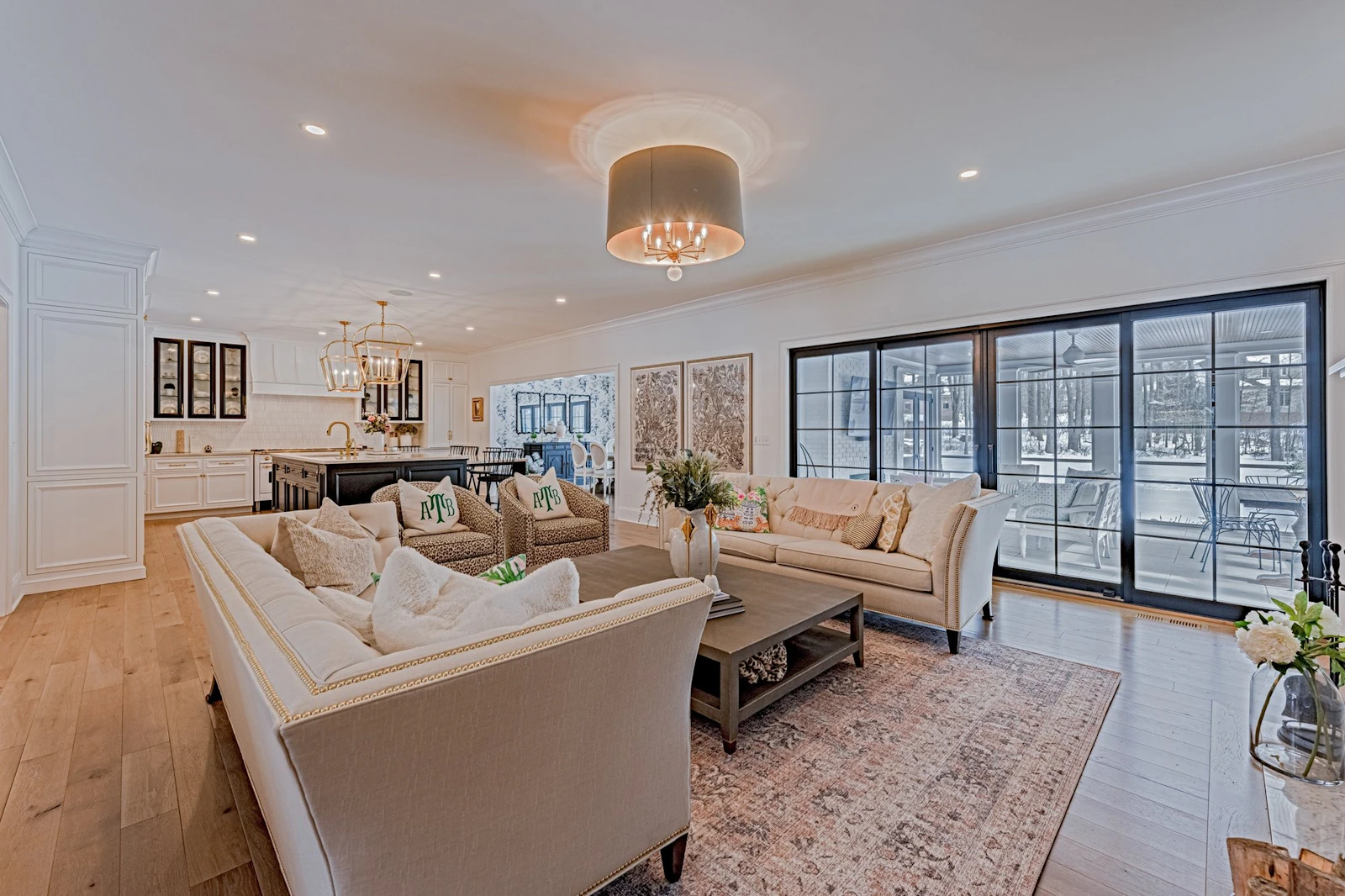
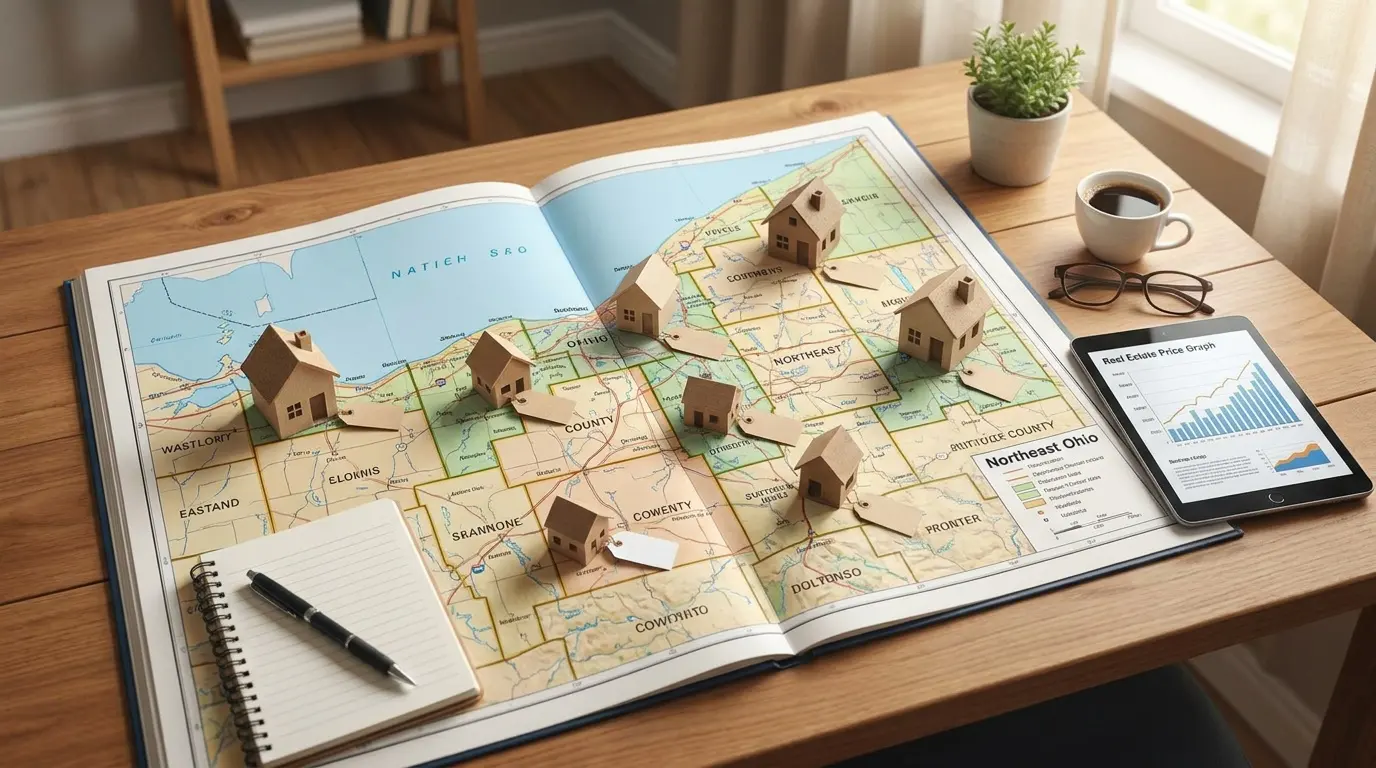
Owning a home is a smart investment, but buying a second one while still paying for the first gets tricky.
Maybe you want a Lake Erie vacation cottage, found a rental property in a growing neighborhood, or need to move but can't sell your current home just yet.
Whatever your reason, this guide explains how to juggle two properties without financial headaches.
For informational purposes only. Always consult with a licensed mortgage or home loan professional before proceeding with any real estate transaction.
Find Your New Home With The Young Team.
Working with an agent takes the stress out of buying a home. Schedule your consultation today and experience a hassle-free home-buying process with the best real estate team in Ohio.
Get Started (opens in a new tab)
5 Key Things to Know Before Buying Another Home
- Your debt-to-income ratio is your biggest hurdle. Lenders typically want your total monthly debt payments (including both mortgages) to be less than 43% of your monthly income. With Cleveland's relatively affordable market, this is often easier here than in pricier cities.
- You'll need more savings than you think. When buying a second home, lenders usually require six-plus months of payments saved for BOTH properties. With current average home prices around $225,000–$250,000 in our area, that means having at least $25,000–$30,000 in cash reserves.
- Down payment requirements (opens in a new tab) jump up. While you might have qualified for as little as 3% down on your first home, expect to need at least 10% for a second home and 15% to 25% for an investment property.
- How you classify the property changes everything. Whether it's a primary residence, second home, or investment property affects your rate, down payment, and taxes. With our growing rental market, the investment property classification is common here.
- Using your current home's equity often makes the most sense. Whether through a home equity loan, HELOC, or cash-out refinance, tapping existing equity in your appreciating property often provides better rates than other financing methods.
Check Your Money Situation First
Before you start house hunting, take a hard look at your finances. Here's what matters most when financially preparing to buy (opens in a new tab) a second home:
Your credit score makes a huge difference. When buying a second home, lenders are pickier. They'll want a score of at least 620, but 700+ is preferred.
How much debt you already have compared to your income (your debt-to-income ratio) matters too. Most lenders don't want this ratio above 43%—meaning all your monthly payments, both mortgages included, shouldn't be more than 43% of your monthly income.
The good news? Homes for sale in Cleveland (opens in a new tab) remain about 55% the price of the national average. This means your existing mortgage likely takes up less of your monthly income than it would in pricier markets, potentially making that second purchase more doable.
Ask yourself if you can really afford two monthly mortgage payments, especially if you're looking at pricier areas like Shaker Heights (opens in a new tab) or Brecksville (opens in a new tab) where the average sale price tops $388,000.
Primary Home vs. Second Home: Why It Matters
How you classify your new house makes a big difference in what you'll pay.
Primary Home: The house where you live most of the year.
- Lower interest rates (opens in a new tab)
- Lower down payment requirements (sometimes as low as 3%)
- Better tax benefits
Second Home: A house you use part-time for vacations or weekends.
- Slightly higher interest rates
- Usually needs at least 10% down payment
- Some tax benefits, but fewer than a primary home
- Must be at least 50 miles from your primary home for tax purposes (think Lake Erie vacation properties)
- May or may not be allowed to rent out occasionally. Ask your lender.
Investment Property: A house you're buying to rent out.
- Highest interest rates (0.25% to 0.75% higher than primary homes)
- Typically requires a 15% to 25% down payment
- Different tax treatment (more write-offs for expenses, but different capital gains rules)
- Particularly popular in high-rental areas with strong demand
Be honest with your lender about how you'll use the property. Lying about this is mortgage fraud.
Why do banks have different terms based on buyer intent? It’s about risk. Most people will do everything in their power to make their payments on their primary home. But if they don’t have the money, most people are a lot more willing to walk away from vacation homes and investment properties.
Your 5 Main Options for Financing a Second Home
1. Take Out a Second Mortgage
Getting a conventional mortgage on your new house is the most straightforward approach. (Government-backed loans (opens in a new tab) are usually restricted to primary residences.) But you'll need to:
- Show enough income to handle both monthly payments
- Have a good credit score (ideally 700+)
- Have savings for the down payment and cash reserves
- Understand how many mortgages you can have (Fannie Mae allows up to 10)
The big challenge is qualifying. Mortgage lenders get nervous about having more than one mortgage. They'll carefully check your finances.
The good news? With local home prices averaging $225,000–$300,000 (depending on the county), your mortgage payments will be substantially lower around Cleveland than in many major markets.
2. Use Home Equity from Your Current Home
If your current home has appreciated—and many have, with median prices climbing about 25% in 2024 alone—you can use that equity to help buy your second home.
Home Equity Loan: Borrow a lump sum against your equity, usually at a fixed rate. Works like a second mortgage on your current home. This can help you raise cash quickly for a down payment.
Home Equity Line of Credit (HELOC): Works more like a credit card—you can borrow up to your limit when needed. Usually has variable interest rates.
Cash-Out Refinance: Replace your current mortgage with a bigger one and take the difference in cash. This is often the best option if you can save money with a lower interest rate.
The upside is that these options often have lower interest rates than other loans because your home secures them. The downside is that you're risking your current home if you can't make the payments.
3. Use a Bridge Loan
Bridge loans are short-term loans designed for people buying a new home before selling their old one (opens in a new tab). If you’re intending to keep both homes, this probably isn’t the best option.
How it works:
- Borrow against the equity in your current home
- Use that money for the down payment on your new home
- Pay off the bridge loan when your old house sells
These loans typically last six to 12 months and have higher interest rates than regular mortgages.
With local days-on-market (opens in a new tab) averaging 35–45 days in most counties, bridge loans can be a useful short-term solution while you sell your existing property.
4. Sell Your Current Home First
The safest approach is to sell your current home before buying a new one. (Yes, you can sell a house with a mortgage (opens in a new tab).) This gives you:
- Cash for your down payment
- No worry about paying two mortgages
- Better approval odds for your new mortgage
The problem is that you might need temporary housing between homes (opens in a new tab), which means moving twice and possibly storing your stuff with a storage company.
This approach works best in our summer market (May–August), when both buying and selling opportunities are most plentiful (opens in a new tab). The winter months can be slower, especially with lake-effect snow complicating viewings.
5. Turn Your Current Home into a Rental
If you can rent your current home for enough to cover its mortgage payment, you might qualify more easily for a loan on a new primary residence.
Benefits:
- Rental income helps pay your old mortgage
- May have tax advantages when owning multiple properties
- Builds long-term wealth through multiple properties
The local rental market remains strong, with many neighborhoods seeing rental growth. Popular Cleveland neighborhoods (opens in a new tab) like Ohio City, Tremont, and University Circle can command higher rents due to their walkability and proximity to downtown attractions and hospitals.
Just remember that being a landlord isn't always easy, especially with older housing stock that might need more maintenance.
In addition, remember that mortgage fraud? Check your mortgage documents to see if they say how long you have to live in the home as your primary residence. Usually you’ll be fine, but if you’re selling your house less than 2 years after you bought it (opens in a new tab), things might look sketchy.
Can You Qualify for Two Mortgages?
According to Fannie Mae guidelines, most people can have up to 10 conventional mortgages. But that doesn't mean qualifying for more than one mortgage is easy.
The home buying process (opens in a new tab) gets more complicated each time you take on another mortgage.
If you're struggling to qualify, consider:
- Getting a co-signer
- Finding a lender that specializes in second homes or investment properties
- Putting more money down to lower your loan amount
- Improving your credit score (opens in a new tab) before applying
With local median home prices still below $250,000 in most counties (except Geauga and Medina, which run higher), qualifying for a second mortgage is often more achievable in Ohio than in many other housing markets.
Steps to Buy Your Second Home
1. Check your credit report for errors
Small mistakes can cost you a lot in interest rates. Get a free copy and fix any problems.
2. Figure out how much you can afford
Be realistic about managing multiple properties and two sets of:
- Monthly mortgage payments
- Property taxes (which vary significantly between counties)
- Insurance costs (higher for rental properties)
- Maintenance expenses (especially for older homes (opens in a new tab))
- Utility bills (remember those winter heating costs!)
Plus the closing costs (opens in a new tab) on the new property.
3. Save for a bigger down payment
More money down means smaller monthly payments and better approval odds.
4. Get pre-approved before shopping
Know exactly what you can spend before falling in love with a house in an area where competition can be fierce.
5. Consider the timing carefully
If you're trying to sell and buy simultaneously, have a backup plan in case closing days (opens in a new tab) don't align. Our market can vary significantly by season, with spring and summer typically being more active.
6. Work with local experts
Find a real estate agent and mortgage broker who understand the unique neighborhoods and property values in our area.
Common Mistakes Property Owners Make When Buying Again
Stretching your budget too thin. Leave room for emergencies and unexpected expenses, especially with older housing stock. This is a homebuying mistake (opens in a new tab) even for primary residences.
Assuming rental income will cover everything. Plan for vacancies and maintenance costs. The rental market is strong, but can vary by neighborhood.
Forgetting about extra costs. Two homes mean double the insurance, taxes, utilities, and maintenance. Insurance and maintenance may even be more expensive for your second home, since you won’t often be there to catch problems early.
Rushing the process. Take your time to find the right property and financing. Our market moves quickly in desirable areas but doesn't have the frenzied pace of some coastal cities.
Not planning for tax changes. Second homes have different tax rules, and property taxes vary widely between neighborhoods and suburban communities.
For informational purposes only. Always consult with a licensed mortgage or home loan professional before proceeding with any real estate transaction.
Is Buying a Second Home Right for You?
Owning multiple properties means more responsibility, expenses, and financial complexity.
But it can also mean building wealth, creating rental income, or having a special place for family gatherings—whether that's a Lake Erie cottage or a trendy urban condo.
Be honest with yourself about your financial situation, understand all your options, and plan carefully. With the right approach, that second home might be more achievable than you think.
Just make sure you're buying for the right reasons—not just because it seems like a good investment. The best second home purchase is one that works for your lifestyle and your financial goals.
Buy a Home With Confidence.
Partner With The Young Team.
From your first home to your forever home, let the Young Team handle it all. Contact us now to schedule a consultation and take the first step towards buying your dream house in Ohio.