When facing the decision of buying an old house or a new construction home (opens in a new tab), it can feel like a tug-of-war between charm and convenience. Old houses whisper stories of the past, with their intricate woodwork and vintage appeal, whereas new houses offer the allure of cutting-edge technology and energy efficiency. So, what factors should weigh most heavily in your decision-making?
For informational purposes only. Always consult with a licensed real estate professional before proceeding with any real estate transaction.
Find Your New Home With The Young Team.
Working with an agent takes the stress out of buying a home. Schedule your consultation today and experience a hassle-free home-buying process with the best real estate team in Ohio.
Get Started (opens in a new tab)
How Old Should a House Be When You Buy It? 5 Factors
- All homes, old and new, can have problems if they weren't built well
- Brand-new homes will have a settling period (usually 1–3 years)
- The most important factor when buying an older home is how well it's been maintained and updated, not its construction year
- Look up the expected lifespans of major systems (roof, HVAC, etc.) to determine impending costs
- Always hire a home inspector, whether buying an older home or new
Pros of Buying a New House
Customizability
When you're working with custom home builders (opens in a new tab), you're often able to choose finishes, fixtures, and even layout options during construction. This means you can tailor the home to your personal tastes and lifestyle, creating a space that feels uniquely yours.
Energy Efficiency
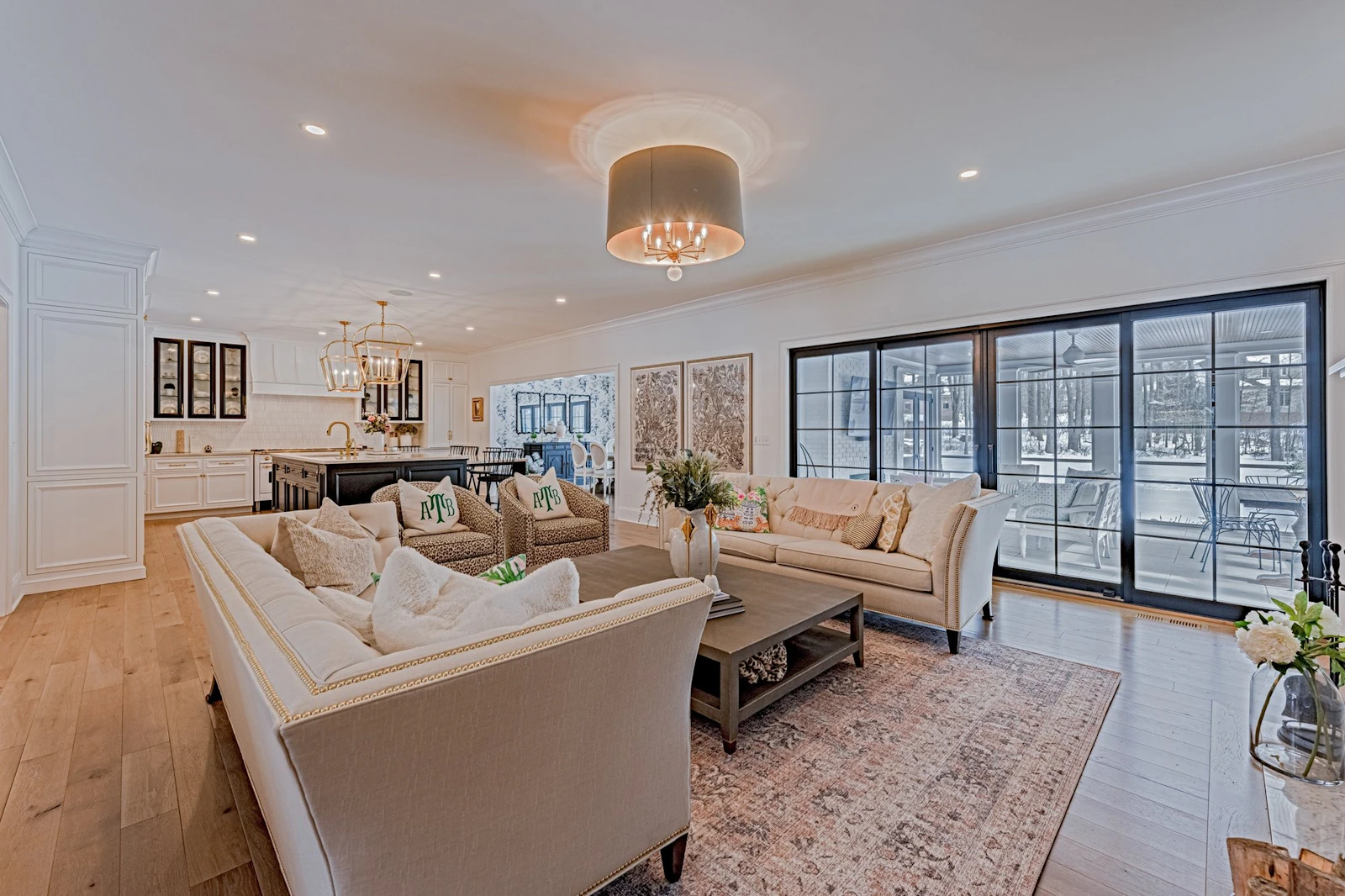
Built with modern energy standards, new homes typically include advanced insulation, high-performance windows, and energy-efficient systems. These features help reduce utility bills while minimizing the home’s environmental impact.
Low Maintenance
Your annual maintenance checklist (opens in a new tab) is likely to be a lot shorter when you buy a new home. With new construction comes new systems, such as HVAC, plumbing, and electrical, all made from durable materials. This reduces the likelihood of immediate repairs and saves you from costly maintenance in the first few years of ownership.
Healthier Living Environment
New homes are free from hazardous materials like lead paint, asbestos, and mold, which are often found in older homes. Additionally, modern ventilation and air filtration systems promote cleaner, healthier indoor air.
Warranty Protection
Builders typically provide warranties that cover structural elements and major systems for a set period. This warranty offers peace of mind and financial protection in case any unforeseen issues arise after moving in.
Community Amenities
Many new developments offer shared amenities such as parks, swimming pools, and fitness centers, fostering a sense of community and enhancing the quality of life. A significant number of new homes are located in master-planned communities (opens in a new tab), which often feature additional amenities such as walking trails, playgrounds, community centers, and even retail spaces.
Potential for Increased Value
New homes in developing areas often appreciate in value as neighborhoods grow. Modern amenities and energy-efficient features also make it easier to sell your home (opens in a new tab) when the time comes.
Move-In Ready
A brand-new house requires no renovations, repairs, or extensive cleaning before moving in, as you might experience with a house sold as-is (opens in a new tab). It’s the perfect choice for buyers who want a hassle-free and seamless transition.
Cons of Buying a Brand New House
Higher Price Tag
New homes are often more expensive than older homes. Developers may also charge a premium for customization options like upgraded flooring, countertops, or cabinetry. This higher upfront cost might limit your ability to buy in more expensive areas (opens in a new tab) or reduce your budget for other expenses, such as landscaping or furniture.
Limited Character
New homes are often built with efficiency and uniformity in mind, particularly in large developments. While this can lead to consistent aesthetics, it often lacks the unique charm and personality that older homes possess, such as intricate woodwork, vintage fixtures, or historic architecture. For buyers who value individuality, new homes may feel too plain or cookie-cutter.
Potential Construction Delays
Building a home (opens in a new tab) opens you up to delays caused by weather, supply chain issues, or labor shortages, which can push back your move-in date. This unpredictability can disrupt plans, cause additional expenses for temporary housing, or complicate the sale of your current home.
Smaller Lots
Modern developments often prioritize maximizing the number of homes per acre, resulting in smaller lot sizes compared to older neighborhoods. This can mean less space for gardens, outdoor recreation, or privacy. Buyers who value large yards for kids, pets, or entertaining might find new homes restrictive in this regard.
Unfinished Landscaping
While new homes offer a clean slate, the landscaping is often sparse, with young trees, minimal greenery, and unfinished outdoor spaces. Buyers need to invest significant time and money into creating a mature, inviting yard, which can take years to fully develop.
Less Established Neighborhoods
New builds are often located in developing areas that might lack established amenities, like schools (opens in a new tab), shopping centers, parks, or public transportation (opens in a new tab). It can take years for the area to grow into a vibrant community, leaving buyers feeling isolated or inconvenienced in the meantime.
Potential for Construction Noise
Moving into a new development often means dealing with ongoing construction in the area. The noise, dust, and heavy machinery can disrupt your daily life for months or even years, especially if you’re an early buyer in a multi-phase community.
Builders Provide Sales Reps, Not Buyer's Agents
You don’t need a Realtor to buy a new construction home (opens in a new tab), but having one can be highly beneficial. Builders’ sales representatives work for the builder, so an agent ensures you have someone advocating for your interests. A good buyer's agent (opens in a new tab) will help you negotiate terms, review contracts, and guide you through inspections and upgrades.
Pros of Buying an Old House
Unique Character and Charm
Older homes often feature craftsmanship and architectural details that are hard to replicate in modern construction. Features like ornate woodwork or vintage fixtures add a sense of history and personality. For buyers who appreciate homes with a story, older properties can offer a sense of nostalgia and timeless beauty.
Larger Lots
You're likely to find more old homes with large lots (opens in a new tab), providing more outdoor space for gardening, recreation, or future expansions. This extra space is ideal for families, pet owners, or anyone who values privacy and room to enjoy the outdoors.
Established Neighborhoods
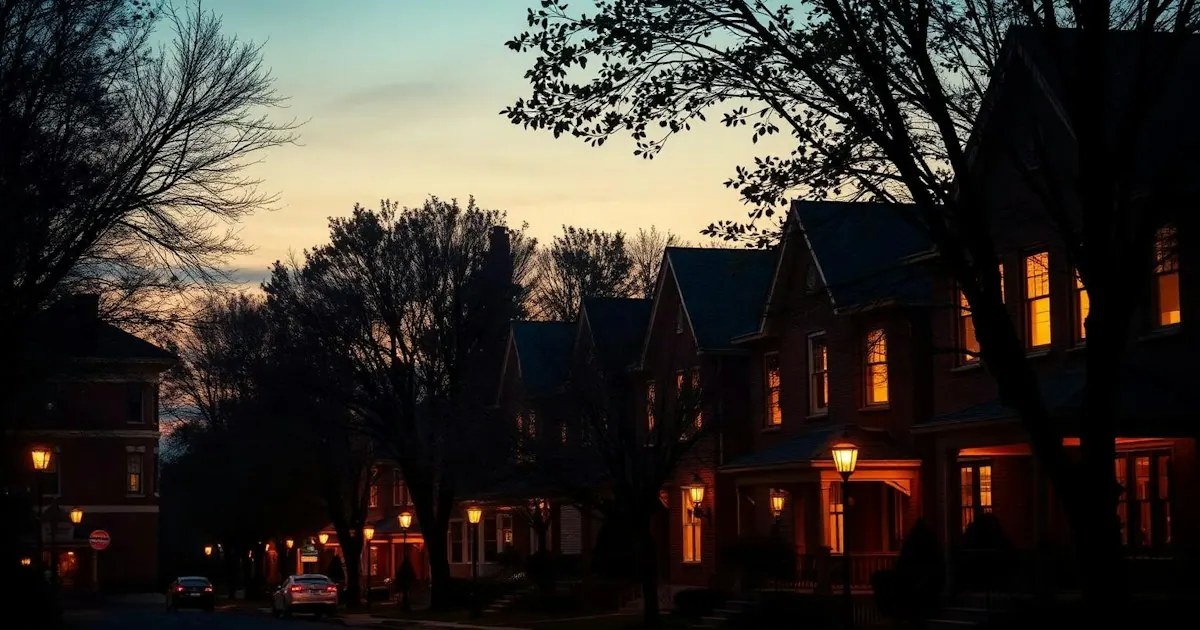
Older homes are typically located in well-established neighborhoods with mature trees, developed infrastructure, and a sense of community. These areas often have proximity to schools, shops, and public transportation, making them convenient for daily living. The sense of stability and charm in older neighborhoods can be a major draw for homebuyers.
Potential for Renovation Value
Older homes often provide opportunities for buyers to renovate and customize the property to suit their preferences. This can increase the home’s value over time, making it a smart investment. Buyers with a vision and willingness to put in some work can turn an older home into a dream property.
Proven Durability
Many older homes were built with high-quality materials and construction techniques that have stood the test of time. A home that has remained structurally sound for decades is often a testament to its durability. Buyers who value solid craftsmanship may find older homes more reliable than some modern builds.
Lower Initial Cost
Older homes can often be more affordable than brand-new ones, especially in terms of price per square foot. With less pressure for a large down payment (opens in a new tab), buyers have the flexibility to allocate funds for renovations, upgrades, or other personal priorities.
Cons of Buying an Old House
Higher Maintenance Costs
Older homes often come with aging systems, such as plumbing, electrical, and HVAC, which may need frequent repairs or replacements. This can lead to more home maintenance at higher costs over time, especially if previous owners didn’t keep up with necessary upgrades. Buyers should budget for potential surprises, like a leaky roof or failing water heater.
Outdated Features
Many older homes lack modern conveniences, such as open floor plans, energy-efficient systems, or smart home technology. Buyers accustomed to contemporary layouts and features might find older homes less functional for modern lifestyles. Renovations to address these shortcomings can be costly and time-consuming.
Potential for Hidden Issues
Structural problems, outdated wiring, or pest infestations may not be immediately visible during a home inspection. These hidden issues can lead to unexpected expenses and stress for buyers after the purchase. Ensuring a thorough home inspection (opens in a new tab) and budgeting for contingencies is essential when buying an older home.
Fewer Customization Options
Renovating an older home to meet modern standards or preferences can be challenging. Structural limitations, such as load-bearing walls, or restrictions on historic properties can make certain changes impractical or prohibitively expensive. This can be frustrating for buyers looking for a fully customizable space.
Higher Insurance Costs
Insurance premiums for older homes are often higher due to outdated materials and systems that increase risk, such as old wiring, plumbing, or roofs. Additionally, homes with historical value may require specialized insurance, adding to the overall cost of ownership.
If you're planning to do large renovations on the home, you may want to notify your insurance company (opens in a new tab). They'll want to revalue your home to see if your coverage amount should change. Determine whether or not the replacement would be like-kind materials or new materials—not having to match old materials can greatly simplify matters.
For informational purposes only. Always consult with a licensed real estate professional before proceeding with any real estate transaction.
New vs Old: Which Is Right For Your New Home?
When it comes to buying a home for the first time (opens in a new tab), you've got to weigh your options carefully. Whether you're drawn to the historic charm of an old house or the modern comforts of a new one, it's all about what floats your boat. Consider your lifestyle, budget, and future plans and choose the home that feels right for you and your needs.
FAQ
What is considered an old house?
While this is subjective, generally speaking, a house could be considered "old" when it's more than 50 years old, but less than 100. (More than 100 years old is generally called "historic.") Some insurance companies will consider homes older than 40 years as "old."
That said, when a home reaches 25+ years old, several major components will have reached their life expectancy, such as the roof and HVAC.
Are older homes built better?
There are several reasons why older homes are perceived as "built better." One is survivorship bias; the homes that are still around are the ones that were built better, while low-quality older homes were replaced.
Both new and old homes have their building benefits. Older copper plumbing is generally superior to new plastic plumbing, which is superior to old cast iron plumbing. New wiring is generally superior to old wiring. Old lumber is stronger than new lumber, but new construction can use engineered lumber, which is even stronger. Building technology is better than ever before; the difference in build quality comes down to whether the builders (and their clients) prioritize cost or longevity.
Do new homes appreciate faster than old homes?
There's no blanket answer to this question. New homes in new subdivisions can appreciate rapidly as amenities arrive and the neighborhood gets more established. On the other hand, the initial price of brand-new construction is higher than with resale homes due to the newness premium, so there's less room for upward growth.
Older homes generally have more desirable locations, as they're built closer to city centers and have long-established neighborhoods. Updating an older house can have a fantastic return on investment.
Buy a Home With Confidence.
Partner With The Young Team.
From your first home to your forever home, let the Young Team handle it all. Contact us now to schedule a consultation and take the first step towards buying your dream house in Ohio.